
You Do Not Have To Be Rich To Follow The Paleo Diet
Rich People Are Not The Only Ones That Follow The Paleo Diet
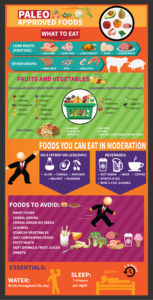 I hear people say “going Paleo sounds great but I can’t afford it. This is simply not true. You do not have to break the bank to follow the paleo diet. Paleo is not meant to hold you hostage or make you think that it is so restrictive that you can’t change some of the rules. Yes, the diet does recommend that you eat organic or grass-fed meats. I understand these types of foods can be more costly or expensive. But don’t let that deter you.
So what do I do to get around this you might ask. Follow the paleo diet to your needs, budget and lifestyle. Since this is one of the easier diet plans out there, there is absolutely nothing that says you have to buy exactly what is recommended.
Can’t afford something? Mix it up
Can’t afford free-range eggs? Buy regular eggs. Can’t find or afford grass-fed beef or free-range chicken. Use lean cuts of beef with little to no fat. Don’t make yourself spastic over not being able to find the exact items recommended to follow the paleo diet.
Be Aware Of Nearby Stores That Have Sales
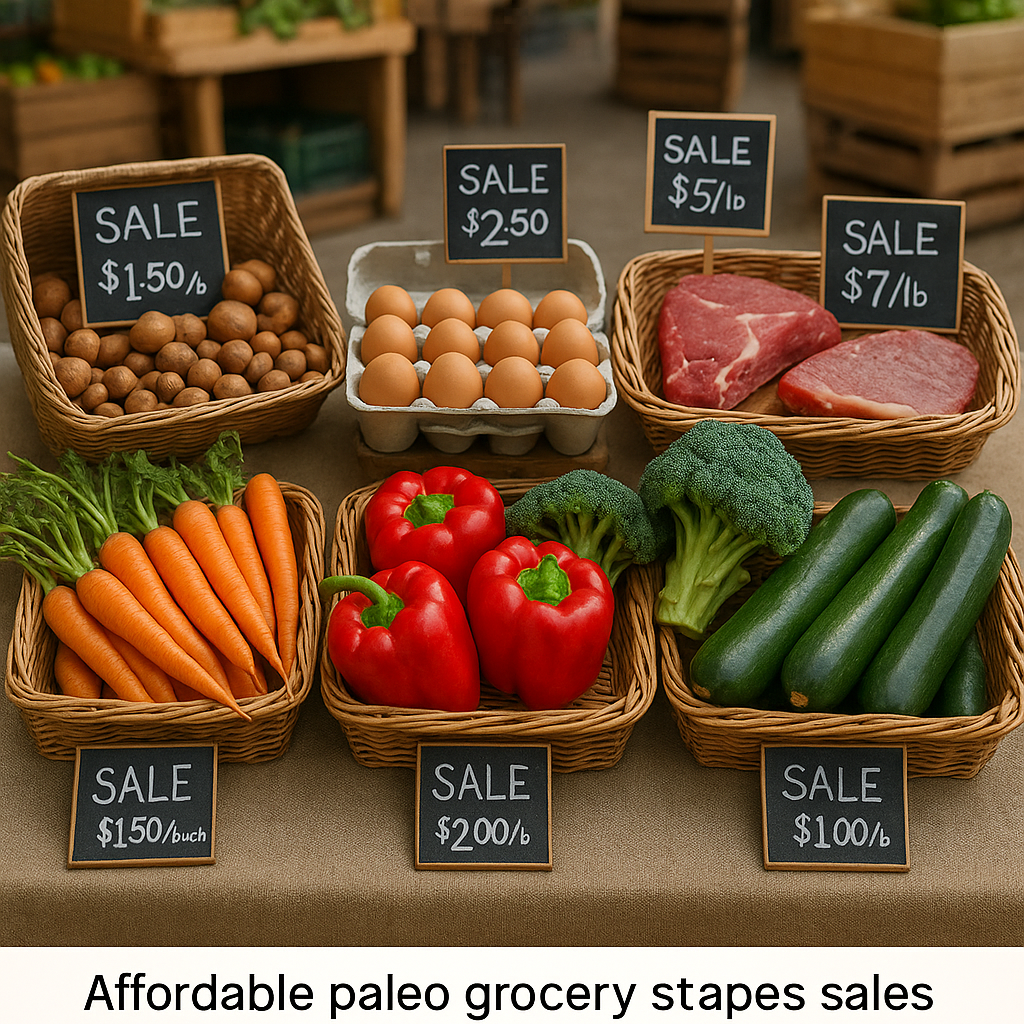
Everyone is busy, I get it. But you need to become aware of stores that carry organics (just about all do now) and watch for sales. When $9.99 meat goes on sale for $4.99, load up as much as you can. This alone will help you immensely to follow the paleo diet. Another thing to check for is lower volume stores that carry organics. A lot of people do not want to spend the extra money on organic fish and meat. These items have a sell by date and when that date gets near, grocers often mark it down 50%! This is a great way to buy organic for a reasonable price. Be sure you cook or freeze by the recommended date.
Remember – Your Trying To Get Healthy
Just remember that the main theme here is to eat healthier. It is better for you to eat regular eggs than pick up a bag of donuts. It is the choices you will be making about food and not the exact food item. If you can afford the higher-priced items later down the road, by all means give it a try. But, don’t feel that you are obligated to buy the higher-priced items right from the start.
Get A Freezer For Stocking Up On Sales
Some people who follow the paleo diet buy in bulk just for the ease of not having to go to the store all the time. And, because they buy in bulk, they sometimes purchase an extra refrigerator/freezer to keep in the garage or basement. This way, when you do find all of your items, you can just conveniently store them while waiting to use them and they will be right there within reach.
A freezer alone will do. If you don’t have one, they really aren’t that expensive at your local home improvement store. This is a one-time investment purchase. And, because you will be buying some items in bulk, you will most likely end up saving quite a bit of money. So, there you go! The freezer will pay for itself!
Not Buying Junk Food Saves Money and Puts You Ahead In The Game
That is the main goal. To keep healthy foods on hand so you don’t break the rules and stop by that fast food restaurant chain and buy junk food.
Going Paleo is really not that much more expensive in the long run. Buying the initial staples such as spices, etc. will add to the grocery bill at first but you won’t have to buy those types of items on a regular basis. And, if you cook ahead, take leftovers for lunch, etc. you will definitely be saving money on all the times that you would normally go out for lunch if you work. Plus, you won’t be grabbing fast food or junk food. Bonus!
Ready to take your fitness to the next level?

Sources
1. Mayo Clinic overview of the paleo diet
Explains what paleo eating includes and excludes and notes the limited research available. Mayo Clinic
https://www.mayoclinic.org/healthy-lifestyle/nutrition-and-healthy-eating/in-depth/paleo-diet/art-20111182
2. Medical News Today analysis of paleo diet evidence
Discusses both potential benefits and limitations of paleo compared with other diets. Medical News Today
https://www.medicalnewstoday.com/articles/paleo-diet-is-there-any-evidence-that-it-benefits-health
3. Wikipedia summary of the Paleolithic diet
Gives historical context on the paleo concept and common criticisms about nutrient exclusion. Wikipedia
https://en.wikipedia.org/wiki/Paleolithic_diet
4. Precision Nutrition on paleo pros and cons
Explains debate around eliminating grains and legumes and how those claims are not strongly supported. Precision Nutrition
https://www.precisionnutrition.com/paleo-diet
5. Share UPMC pros and cons summary of paleo
Details typical drawbacks of paleo, including expense and food group restrictions. UPMC HealthBeat
https://share.upmc.com/2016/04/pros-cons-paleo-diet/
FAQs
Q: What is the paleo diet?
A: A dietary pattern that mimics what people ate during the Paleolithic era focusing on whole foods like vegetables, fruits, eggs, meat, nuts, and seeds while cutting out dairy, grains, legumes, added sugar, and processed foods.
Q: Does paleo help with weight loss?
A: Some short-term studies show paleo can help reduce weight and improve some risk factors, but long-term benefits are not proven.
Q: Is paleo more expensive than other diets?
A: It can be if choosing grass-fed or organic foods, but you can follow it on a budget by choosing affordable protein sources and shopping sales.
Q: What foods are NOT allowed on paleo?
A: Grains, dairy, legumes, refined sugars, and ultra-processed foods are typically excluded.
Q: Is paleo healthier than balanced diets like Mediterranean?
A: Research suggests paleo may offer some benefits but is not conclusively superior to balanced diets that include whole grains and dairy.