Scale Anxiety: Choose a Weight-Tracking Routine That Helps
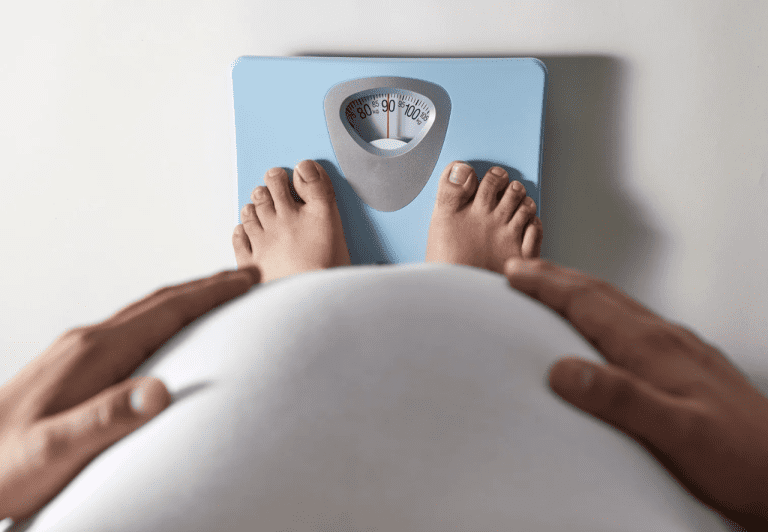
Some people hate stepping on a scale. Personally, I have used a Friday weigh-in as motivation. That does not mean you need to stare down the number or feel you have to “dominate” it. If weighing causes anxiety, the tracking method needs attention too.

Decide what the number is for
Are you reviewing a weight-management trend, following a clinician’s instructions or checking repeatedly because the last result upset you? Those are different situations. Write down the purpose before choosing how often to weigh.
Weekly checking is one approach described in the NIDDK guide to weight-loss programs. My preference is not a rule for everyone. A medical monitoring schedule may be different.
Make the routine less loaded
- Choose the time in advance rather than repeatedly rechecking for a different number.
- If comparing readings, use the same scale in the same location under similar conditions.
- Record the reading as information, without adding an insult about yourself.
- Review the pattern with other relevant information instead of changing the whole plan immediately.
A reading does not separate fat, muscle, water and food in your digestive system. Do not diagnose a body-composition change from a single weigh-in.
Know what the alternatives can and cannot show
Clothes, measurements and exercise notes can provide useful feedback. They do not measure pounds lost. Walking longer can reflect improved fitness without weight loss. Pinching the back of your arm is not a reliable way to establish fat loss or muscle gain.
If you want a practical alternative dashboard, use my weekly review beyond the scale. Choose only the observations that help you. You do not need to replace one stressful body check with five others.
When checking is making things worse
If weighing triggers severe distress, repeated checking, food restriction or compensatory exercise, speak with a qualified health professional. The NIMH eating-disorder guide explains signs and treatment options. This article cannot diagnose what is happening.
You can ask a clinician how to monitor safely, whether to reduce home checking and how to handle required medical measurements. Do not stop monitoring that was prescribed for a health condition without discussing it.
Keep the next action concrete
Your next step might be planning tomorrow’s meals, completing suitable exercise or arranging support. It does not need to be another weigh-in. I find a number useful when it helps me make a sensible decision; it should not become a daily judgment of my worth.
The 31-Day Reboot provides meal plans, grocery lists and beginner machine workouts. It is a planning resource, not treatment for scale anxiety or an eating disorder.