
Fat Burning Tips – Use These Tricks Of The Trade
Fat Burning Tips – Use These Tricks Of The Trade
 The key to a maintaining a well-toned physique and a healthy body composition is fat burning. There are many ways to approach fat burning, both in your diet and exercise routine. Each approach is effective on its own, but the best results come when you combine them, helping you to burn the most fat that you can at all times. Here are some useful fat burning tips.
STAY WELL HYDRATED
One important tip when it comes to fat burning is a very simple one: drink more water. Since our bodies are made up of over 50% water, being properly hydrated helps your body perform its most basic cellular functions better, like the transportation and burning of fat. The amount of water an individual needs every day varies depending on their activity level, but in general, you should drink at least one ounce of water per two pounds of body weight a day to stay sufficiently hydrated.
FOODS TO AVOID FOR FAT BURNING
Another good fat burning tip is to reduce your consumption of starchy carbs such as pasta, rice and potatoes. This should come as no surprise to anyone who has ever researched this subject, but it’s worth repeating because it’s a very important component of a fat burning regime. Consuming too many complex carbohydrates at once provides your body with more energy and glycogen stores than it needs, so it stores the excess as fat. This isn’t to say you should give up carbs altogether, but you should stick to 3-5 starch servings a day when you are trying to burn fat.
 EMPHASIS ON CARDIO
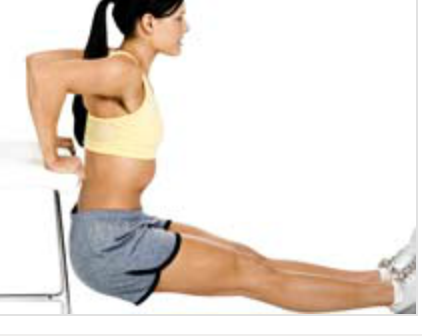
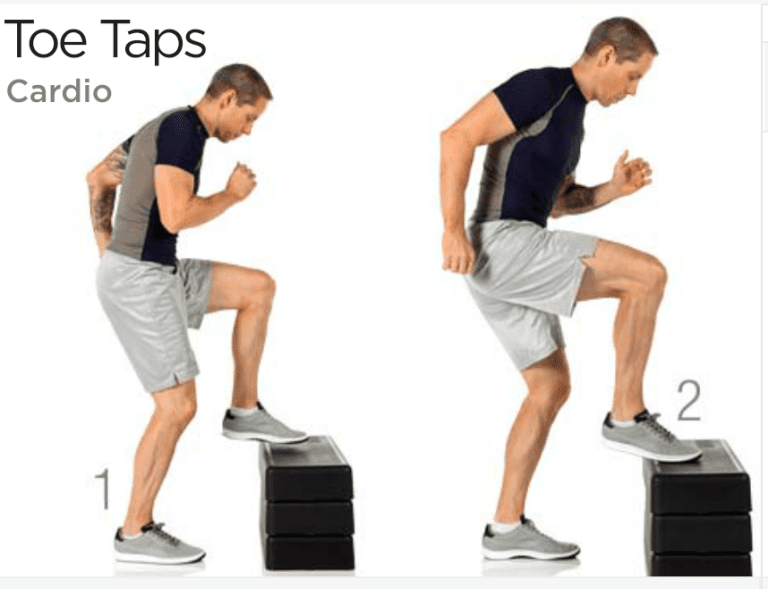
Experts have long said there is no substitute for a good overall cardiovascular conditioning exercise program to help burn fat. Cardiovascular exercises include lower impact activities like walking or biking, but interval training, in which you alternate bursts of intense activity with lighter activity during the same workout, is said to work great specifically for burning fat. Incorporate such exercises as burpees, push-ups, jumping jacks and lunges in between moments of rest in your sessions.WEIGHT TRAINING
Weight training is another excellent activity for fat burning. If you don’t already have a regular weight training routine, a good way to start is to train for a half hour at a time three days a week. You don’t want to burn yourself out, but you also want to challenge your body enough so that its metabolic rate is kicked up into the prime fat-burning zone. After you have been weight training for a while and seen some results, you can cut back to two sessions a week. All of this should be done under the supervision of an experienced trainer.By incorporating these tips—consuming more water and less carbs, getting your heart pumping and piling on the weights (within reason, of course)—into your daily and weekly diet and fitness routines, you will be well on your way to becoming the most effective you can be at fat burning.
Sources
-
Harvard Health Publishing. “What You Need to Know About Fat Loss.”
https://www.health.harvard.edu/diet-and-weight-loss/what-you-need-to-know-about-fat-loss -
Centers for Disease Control and Prevention. “Healthy Weight.”
https://www.cdc.gov/healthyweight/index.html -
American Council on Exercise. “How to Lose Fat the Healthy Way.”
https://www.acefitness.org/education-and-resources/lifestyle/blog/6991/how-to-lose-fat-the-healthy-way -
Mayo Clinic. “Weight Loss: Get Started.”
https://www.mayoclinic.org/healthy-lifestyle/weight-loss/in-depth/weight-loss/art-20047752 -
Journal of Obesity. “Exercise and Fat Loss.”
https://www.hindawi.com/journals/jobe/2011/874507/ -
Journal of Nutrition and Metabolism. “Nutrition Strategies for Fat Loss.”
https://www.hindawi.com/journals/jnme/2012/932310/
FAQs
Q1: Can fat burning happen without exercise?
Yes. While exercise helps speed up fat loss, you can still burn fat by creating a calorie deficit through diet and daily activity. However, combining exercise with proper eating makes fat loss easier and more sustainable.
Q2: Does eating frequent small meals burn more fat?
Not necessarily. Meal frequency alone does not cause fat burning. What matters most is maintaining a calorie deficit and choosing nutritious foods that support your metabolism and energy.
Q3: How much should I exercise to burn fat?
Most adults benefit from at least 150 minutes of moderate exercise or 75 minutes of vigorous exercise per week, combined with strength training. The exact amount varies by individual goals and fitness level.
Q4: Does strength training help burn fat?
Yes. Strength training builds muscle. Muscle increases your resting metabolic rate so you burn more calories throughout the day including calories from fat.
Q5: Are there specific foods that burn fat on their own?
No single food magically burns fat. Certain foods may slightly boost metabolism, but overall fat loss depends on calories in versus calories out and eating a balanced diet.
Follow Us on Twitter
Like Our Facebook Page
Thank you. I’m glad you enjoyed my article. Good luck with your presentation