Why Your Body Needs Protein Beyond Building Muscle
 Your body needs protein whether you lift weights or not. Protein supplies amino acids used to maintain and repair tissues. Muscle is part of that picture, but so are many other normal functions.
For men over 40, the practical task is to include suitable protein foods in a balanced eating plan. It is not to eat as much protein as possible, replace every meal with a shake, or assume that protein makes calories irrelevant.
What does protein do besides build muscle?
MedlinePlus explains protein’s role in the diet: your body breaks it into amino acids and uses these building blocks to repair cells and make new ones. Essential amino acids must come from food because your body cannot make them.
Proteins also serve as components of structures and many functional molecules, including enzymes and some hormones. Getting enough supports normal function; eating extra is not a proven shortcut to stronger immunity, better hormones, or healthier hair.
How much protein should you plan?
Needs vary with health, activity, age, and the rest of your diet. Express the amount clearly in grams of protein per day. Saying “eat half your body weight” is ambiguous unless the units and context are stated.
Got2ManUp uses 1 gram of protein per pound of target body weight as a planning rule for its fitness approach. For example, a target weight of 180 pounds gives a planning target of 180 grams of protein daily. That is an illustration of the rule, not a medical requirement for every 180-pound person.
More is not automatically better. If you have kidney disease or another condition that affects nutrition, get an individual target. NIDDK kidney-disease guidance emphasizes working with your healthcare professional or dietitian on protein amounts and sources.
Choose foods by the whole serving
| Food option | What to consider |
|---|---|
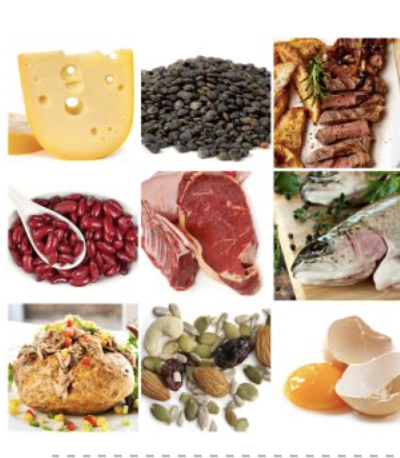
| Chicken, turkey, lean beef, or pork | Portion size, cut, cooking fats, and sauces |
| Eggs and dairy foods | Protein per serving, fat content, added ingredients, and tolerance |
| Beans, lentils, tofu, or tempeh | Variety, preparation, and how the serving fits the meal |
| Nuts and seeds | Useful nutrients with calories that add up in large portions |
| Protein powders | A convenient option when needed, not a compulsory food group |
You do not need premium grass-fed meat to include protein in your diet. Choose affordable foods you enjoy and can use safely. Plant-based eating can also supply protein; include a variety of sources rather than assuming a vegetarian diet cannot meet your needs.
Protein and fiber are different
Plain eggs and plain dairy yogurt are not high-fiber foods. Beans and lentils can contribute both protein and fiber. A flavored or fortified product may contain added ingredients, so check its label rather than transferring claims from one food to another.
Protein-rich foods also differ in calories and other nutrients. Lean chicken, cheese, nuts, and a sweetened shake are not interchangeable just because each contains protein.
Does protein guarantee weight loss?
No. Protein may help with fullness, but you can still consume more energy than you use. Carbohydrates and sugar do not automatically become body fat simply because you ate them. Review the overall eating pattern and portions.
Do not judge a shake from the words “high protein” on the front. Check the serving size, protein, calories, and added ingredients, including what you mix into it. Our whey and casein comparison explains when powders may be convenient.
Make one useful change
Look at a normal day’s meals. Identify where a suitable protein food would help, then plan that meal before buying supplements. Use our easy protein meal-prep ideas for practical combinations.
For meals, grocery lists, and beginner workouts in one organized plan, review the 31-Day Reboot.