
Visceral Fat After 40: The Dangerous Truth You Need to Know
Visceral fat after 40 can creep up on you before you realize what is happening. You wake up one morning, put on a pair of pants you have not worn in a year, and suddenly the button requires an act of Congress to close.
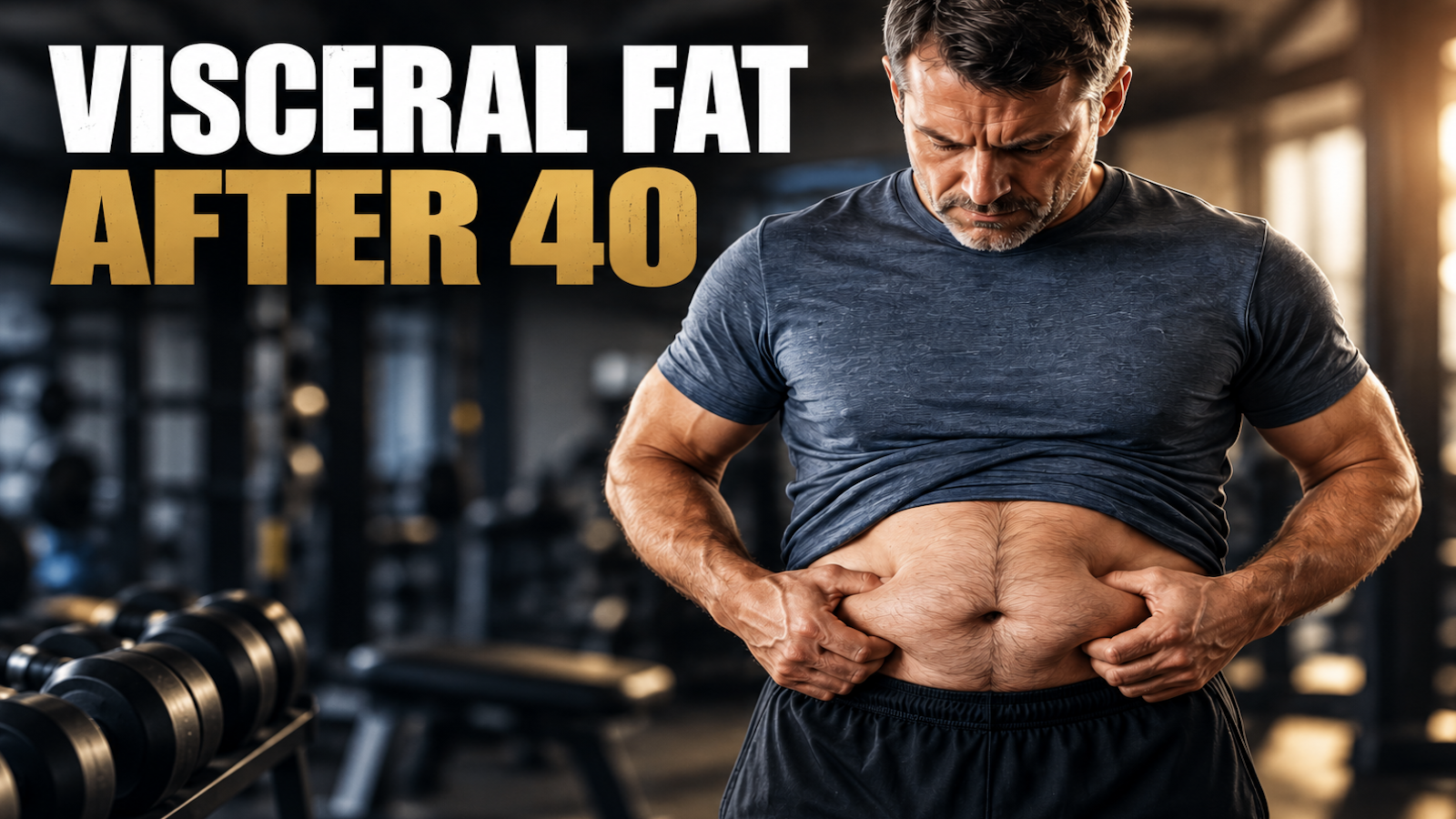
You are not lazy, and you are not necessarily living on fast food. You work long hours, manage a household, deal with commuting, and handle the endless background noise of adult responsibilities. But somewhere between 35 and 50, your waistline started moving in the wrong direction.
The weight did not just accumulate. It changed zip codes and settled around your midsection.
This is not about chasing a six-pack for a beach vacation. It is about reducing the deeper abdominal visceral fat after 40 associated with higher risks of type 2 diabetes, cardiovascular disease, high blood pressure, and other metabolic problems.
Here is the straight answer about what visceral fat sfter 40 is, why men tend to accumulate more of it during midlife, and how to reduce it without turning fitness into a second full-time job.
Why Visceral Fat After 40 Becomes Harder to Control
Not all body fat behaves the same way.
Most of the fat you can pinch with your fingers is subcutaneous fat. It sits directly beneath the skin. Visceral fat sfter 40 lies deeper inside the abdominal cavity, surrounding organs such as the liver, pancreas, and intestines.
Visceral fat after 40 is metabolically active. Excess amounts are associated with inflammation, impaired insulin sensitivity, abnormal blood lipids, type 2 diabetes, and cardiovascular disease. A growing waistline can therefore signal increasing health risk even when the bathroom scale has barely moved.
Why abdominal fat often increases during midlife
There is no single switch that cranks up visceral fat after 40. Several changes tend to pile up:
– Loss of muscle and activity: Adults often move less and gradually lose lean mass as they age. Less activity means fewer calories burned throughout the day.
– Eating more than the body now requires: The portions that maintained your weight at 27 may create a calorie surplus at 47 if your activity level has declined.
– Poor sleep: Inadequate sleep can increase hunger, reduce impulse control, and make consistent training more difficult.
– Chronic stress: Stress can affect appetite, food choices, sleep, and alcohol consumption. Cortisol is involved in fat distribution, but stress does not magically create visceral fat after 40 without energy coming from somewhere.
– Alcohol: Alcohol adds calories, lowers dietary restraint, and can damage sleep quality. Heavy or frequent drinking can make fat loss considerably harder.
– Hormones and visceral fat after 40: Testosterone levels decline on average as men age, although the rate varies widely. A 2026 analysis of nearly 5,000 U.S. men found that visceral adiposity was more strongly associated with lower testosterone than chronological age; men with high visceral fat after 40 had approximately 33% to 36% lower testosterone than men with low visceral fat. Because the study was observational, it establishes an association—not proof that visceral fat after 40 alone caused the hormonal difference. Obesity, illness, medications, sleep problems, and other lifestyle factors can also influence testosterone.
Getting older does not make abdominal fat inevitable. It does mean you can no longer expect yesterday’s habits to keep producing yesterday’s body.
How to Tell Whether Your Waist Is Becoming a Health Risk
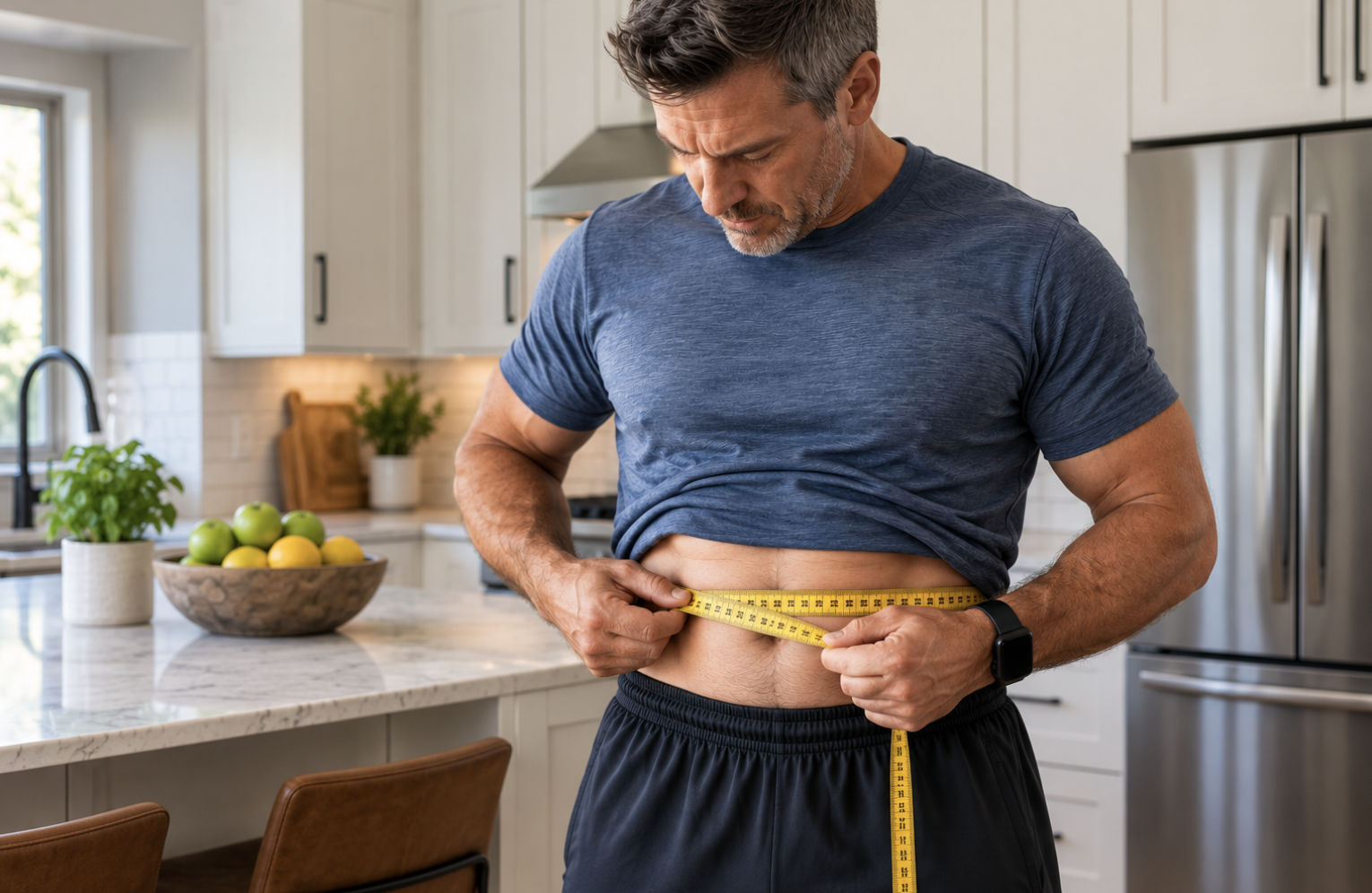 A bathroom scale measures total body weight. It cannot tell you where your fat is stored, and it may hide progress if you are losing fat while maintaining or gaining muscle.
You also cannot diagnose visceral fat after 40 precisely by looking in the mirror. However, waist circumference is a useful, inexpensive screening tool for abdominal fat and health risk.
Measure your waist consistently
Use a flexible, non-stretch tape. Place it horizontally around your abdomen just above the hip bones, keep it snug without compressing the skin, relax, and measure after a normal exhale.
For U.S. men, a waist circumference greater than 40 inches is associated with increased risk of obesity-related health problems. Risk thresholds can differ with ethnicity and individual health history, so treat this as a screening number—not a diagnosis.
Measure under the same conditions every two to four weeks. Do not measure every morning and panic over minor changes caused by hydration, digestion, or tape placement.
Use the waist-to-height ratio as a simple secondary check
Divide your waist measurement by your height using the same units.
A practical rule is to aim for a waist measuring less than half your height. For example, a man who is 72 inches tall would aim for a waist below 36 inches. This is a screening guideline, not a personalized medical target.
Smart scales and DEXA scans
Smart scales use bioelectrical impedance to estimate body fat. Hydration, food intake, exercise, and skin temperature can change the reading. They can be useful for tracking a long-term trend when used under consistent conditions, but the displayed body-fat percentage is not an exact measurement.
A DEXA scan can provide a more detailed estimate of body composition and regional fat distribution. It is useful if you want better baseline data, but most men do not need a scan to begin losing fat. A tape measure, body-weight trend, progress photos, and health markers will usually tell you whether the plan is working.
The Rule You Cannot Avoid: Create a Sustainable Calorie Deficit
No supplement, hormone hack, superfood, or special exercise overrides energy balance.
To lose visceral fat after 40, you must consistently consume fewer calories than your body uses. That does not mean starving yourself. It means creating a moderate deficit you can maintain while eating enough protein and continuing to train.
A reasonable starting point for many men is a deficit of roughly 300 to 500 calories per day. Your actual needs depend on your body size, activity, medical history, and starting intake.
Track your morning body weight several times per week and compare weekly averages. A practical target is often about 0.5% to 1% of body weight lost per week. Faster is not automatically better; aggressive restriction can increase hunger, reduce training performance, and make muscle loss more likely.
If your average body weight and waist measurement have not decreased after three consistent weeks, one of two things is usually happening: you are eating more than you estimate, or moving less than you think. Tighten portion control, track your food more accurately, or add a manageable amount of activity.
Train to Lose Fat Without Sacrificing Muscle
Endless crunches will not remove belly fat. Spot reduction is a myth. Abdominal exercises can strengthen your core, but your body decides where stored fat comes off.
The strongest practical approach combines resistance training, aerobic exercise, and a calorie deficit.
A realistic weekly structure
– Monday: Full-body strength training, 35-45 minutes
– Tuesday: Moderate cardio or brisk walking, 30-45 minutes
– Wednesday: Full-body strength training, 35-45 minutes
– Thursday: Active recovery or a 20-30-minute walk
– Friday: Full-body strength training, 35-45 minutes
– Saturday: Moderate cardio, hiking, cycling, swimming, or rucking, 45-60 minutes
– Sunday: Rest
Progressive strength training three days per week
Strength training helps preserve—and sometimes build—muscle while you lose weight. Maintaining muscle supports strength, function, glucose management, and long-term weight control.
Base each workout around three to five movements:
– A squat or leg-press variation
– A hip hinge, such as a Romanian deadlift
– A horizontal or vertical press
– A row or pulldown
– An optional loaded carry or core exercise
Perform two to four working sets per exercise, usually in the 6-to-12-repetition range. Add weight, repetitions, or better control over time. “Heavy” should mean challenging with good form—not reckless lifting to impress strangers.
If you are new to training, returning after a long break, or dealing with pain, begin with machines and movements you can perform safely. Consistency beats complexity.
Aerobic exercise two or three days per week
Moderate aerobic exercise is strongly supported for reducing waist circumference and abdominal fat. Use a pace at which you can speak in sentences but would rather not deliver a speech. Heart-rate zones can help, but you do not need a laboratory test or expensive watch to take a brisk walk.
Aim to build toward at least 150 minutes of moderate-intensity aerobic activity per week. You can divide that into shorter sessions if necessary.
Intervals can also be effective, but they are not mandatory. If hard intervals aggravate your joints, interfere with strength training, or leave you exhausted, they are the wrong tool for you right now.
Increase ordinary daily movement
Training for 45 minutes does not cancel out sitting for the other 15 waking hours.
Walk after meals, take stairs, park farther away, and break up long periods of sitting. A daily step target can provide accountability, but the correct number is one you can sustain and gradually improve.
Nutrition Levers That Make the Deficit Easier
 The best diet is not the one with the toughest name. It is the one that controls calories, provides enough protein and nutrients, and fits your life well enough to follow for months.
Set a protein target
Protein helps maintain muscle during weight loss and is generally more filling than the same number of calories from refined carbohydrates or fat.
A practical range is approximately 0.7 to 1.0 grams of protein per pound of target body weight per day. A man targeting 185 pounds might aim for roughly 130 to 185 grams daily. The upper end is not automatically necessary, particularly if you have a smaller frame or medical restrictions.
Good options include lean beef, chicken, turkey, fish, eggs, Greek yogurt, cottage cheese, and whey protein. Spread protein across three or four meals instead of trying to force it all into dinner.
People with kidney disease or other medical conditions affecting protein intake should discuss an appropriate target with a qualified healthcare professional.
Eat more fiber
Fiber can improve fullness, support digestive health, and help with blood-sugar and cholesterol management. Those benefits can make a calorie deficit easier to maintain.
Build gradually toward roughly 25 to 38 grams of fiber per day while drinking adequate fluids. Useful sources include oats, beans, lentils, chia seeds, avocados, berries, and vegetables. Increasing fiber too quickly can cause bloating and digestive discomfort.
Control portions of calorie-dense foods
Healthy foods still contain calories. Nuts, cheese, oils, dressings, peanut butter, and restaurant portions can erase a calorie deficit quickly.
You do not have to weigh food forever, but tracking intake honestly for two weeks can expose where the extra calories are coming from. Guessing is comfortable. Data is useful.
Reevaluate alcohol
Alcohol supplies calories without much fullness, often leads to additional eating, and can reduce sleep quality. Your liver prioritizes processing alcohol, temporarily slowing the oxidation of other fuels. That does not mean one drink is automatically stored as belly fat, but frequent drinking can make maintaining a calorie deficit much harder.
Try a four-week reduction or alcohol-free period. Track your waist, weekly average weight, sleep, appetite, and training performance. Let your own data show you what alcohol is costing you.
Treat Sleep and Recovery as Part of the Program
Poor sleep does not violate the laws of energy balance, but it makes following them harder. When you are exhausted, hunger and cravings often rise, movement tends to fall, and hard training feels worse.
Aim for seven to nine hours of sleep per night when possible. Keep a regular schedule, make the bedroom cool and dark, and reduce bright screens and heavy meals near bedtime. Because caffeine can remain active for hours, experiment with stopping it at least eight hours before bed rather than relying on an arbitrary noon cutoff.
Alcohol may make you feel sleepy at first, but it can fragment sleep later in the night.
If you snore heavily, wake up gasping, experience morning headaches, or remain exhausted despite spending enough time in bed, talk with a healthcare professional about possible sleep apnea. Ignoring it is not toughness.
Use Realistic Expectations
 Visceral fat after 40 can respond to weight loss and regular exercise, but no honest coach can promise that every man will lose a specific number of inches by a particular week.
Early changes on the scale often include water and stored carbohydrate, not just fat. Waist measurements may also change because of reduced bloating. Meaningful fat loss requires consistent work over months.
Track:
1. Weekly average body weight
2. Waist circumference every two to four weeks
3. Front and side progress photos under consistent conditions
4. Strength and workout performance
5. Blood pressure
6. Laboratory markers recommended by your healthcare professional, which may include fasting glucose, A1C, cholesterol, and triglycerides
Judge the plan over four-week blocks, not four-day emotional swings.
If your waist is shrinking while your strength is stable, the program is working—even if the scale occasionally stalls.
Take Control Without Turning Your Life Upside Down
An expanding waistline is common with age, but it is not an unavoidable sentence.
You do not need two-hour workouts, an extreme diet, or a cabinet full of supplements. You need a modest calorie deficit, adequate protein, progressive strength training, regular aerobic activity, more daily movement, and enough recovery to repeat the process.
Start with three actions:
1. Measure your waist correctly and record your starting body weight.
2. Set a realistic daily calorie and protein target.
3. Schedule three strength workouts and two cardio sessions for the coming week.
Then follow the plan long enough for it to work.
Your body did not accumulate visceral fat after 40 in seven days, and it will not lose all of it in seven days. Stop looking for a trick. Build a system you can still follow six months from now.
When to Talk With a Healthcare Professional
Seek personalized medical guidance before making major diet or exercise changes if you have cardiovascular disease, diabetes, kidney disease, uncontrolled high blood pressure, significant joint problems, or unexplained symptoms.
A healthcare professional can also help evaluate persistent fatigue, low libido, rapid weight change, suspected sleep apnea, or possible low testosterone. Do not diagnose a hormone problem from your waistline or begin testosterone treatment based on an internet article.
FAQs
1. Why is visceral fat after 40 more difficult to lose?
Visceral fat after 40 can become more stubborn as activity levels, muscle mass, sleep quality, eating habits, and daily calorie needs change. The solution is not crash dieting. A consistent calorie deficit combined with adequate protein, resistance training, regular movement, and sufficient recovery is a more sustainable approach.
2. What is the best way to reduce visceral fat after 40?
The most effective strategy for reducing visceral fat after 40 is reducing overall body fat. Focus on a manageable calorie deficit, high-protein foods, strength training, cardiovascular activity, daily movement, and habits you can maintain for months rather than weeks.
3. How can I tell if I have too much visceral fat after 40?
You cannot accurately determine visceral fat simply by looking in the mirror. However, an increasing waist circumference can be a useful warning sign. Tracking your waist measurement over time, along with body weight and other health markers, can help you monitor progress. Your healthcare provider can also assess your individual risk.
4. Can you lose visceral fat after 40 without losing muscle?
Yes. Losing visceral fat after 40 does not mean sacrificing the muscle you have worked to build. Resistance training, adequate daily protein, and a moderate calorie deficit can help preserve lean muscle while you reduce overall body fat. Avoid aggressive crash diets that make training and adequate nutrition harder to maintain.
Sources
1. National Institute of Diabetes and Digestive and Kidney Diseases. “Am I at a Healthy Weight?” https://www.niddk.nih.gov/health-information/weight-management/adult-overweight-obesity/am-i-healthy-weight
2. National Heart, Lung, and Blood Institute. “Overweight and Obesity: Symptoms and Diagnosis.” https://www.nhlbi.nih.gov/health/overweight-and-obesity/symptoms
3. World Health Organization. “Waist Circumference and Waist–Hip Ratio: Report of a WHO Expert Consultation.” https://www.who.int/publications/i/item/9789241501491
4. U.S. Department of Health and Human Services. “Physical Activity Guidelines for Americans, 2nd Edition.” https://health.gov/sites/default/files/2019-09/Physical_Activity_Guidelines_2nd_edition.pdf
5. Ismail I, Keating SE, Baker MK, Johnson NA. “A Systematic Review and Meta-Analysis of the Effect of Aerobic vs. Resistance Exercise Training on Visceral Fat.” Obesity Reviews. https://pubmed.ncbi.nlm.nih.gov/21951360/
6. National Academies of Sciences, Engineering, and Medicine. “Dietary Reference Intakes for Energy.” https://nap.nationalacademies.org/catalog/26818/dietary-reference-intakes-for-energy
7. Friedl KE, Potter AW. “Low Testosterone Is a Phenotype of Visceral Adiposity.” Journal of the Endocrine Society. 2026;10(8):bvag160. doi:10.1210/jendso/bvag160. https://academic.oup.com/jes/article/10/8/bvag160/8733184
This article is for general educational purposes and is not a substitute for individualized medical advice, diagnosis, or treatment.