Juice Fasting for Weight Loss: What to Consider First

Juice fasting for weight loss means replacing ordinary meals with fruit or vegetable juice for a period of time. Drinking a glass with breakfast is a different decision from living on juice alone. Before you spend money on a package, look at what the plan removes as well as what it provides.
A smaller number on the scale is not the whole result
NIH’s review of detox diets and cleanses explains that early weight loss can follow lower calorie intake, while weight may return after normal eating resumes. That does not establish lasting fat loss or show that toxins were removed.
A useful question is what your eating routine will look like afterward. If the only plan is to finish a box of bottles and hope everything changes, you have not yet solved the daily meal problem.
Juice is not a complete meal plan
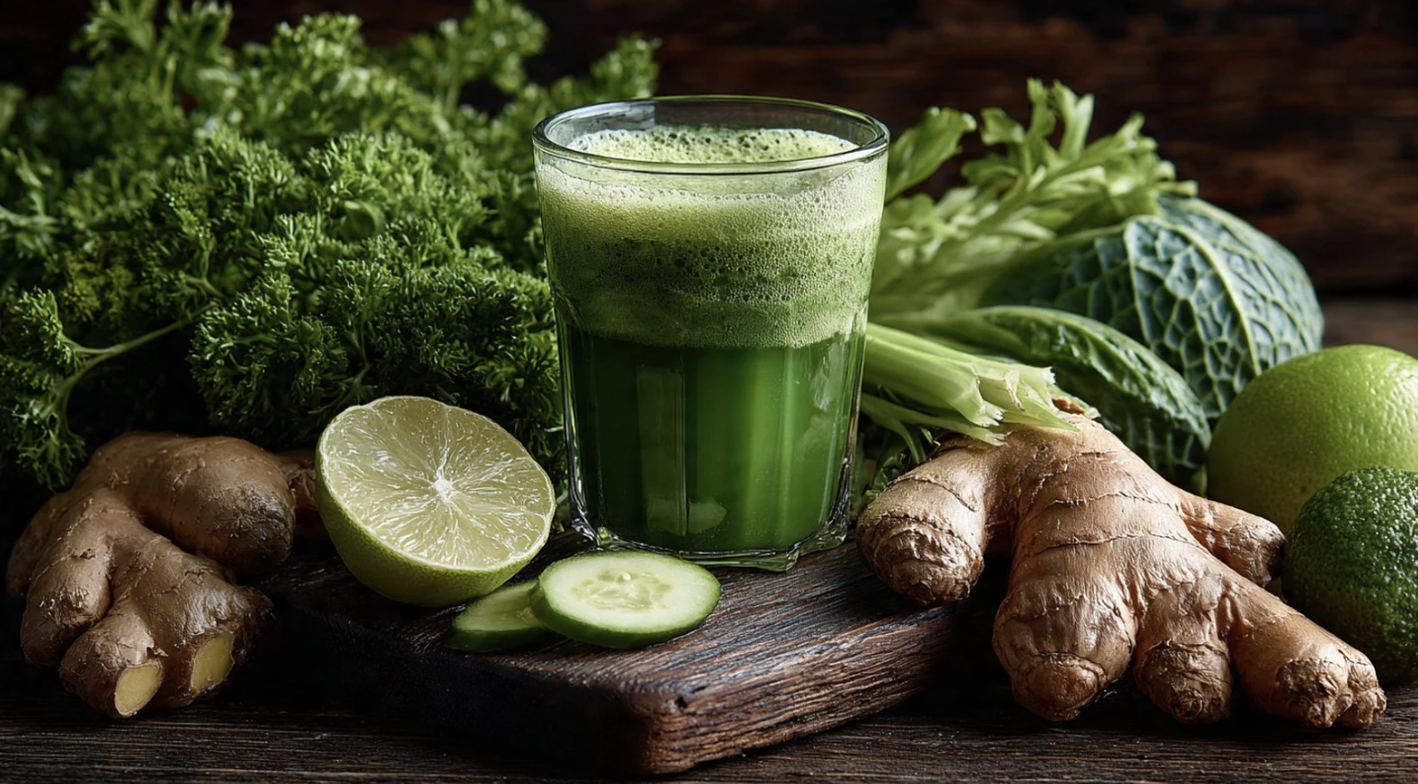
Typical fruit and vegetable juices provide little protein or fat, and straining out pulp removes much of the fiber. Ingredients and portions vary, so a green color does not tell you whether a drink replaces the nutrients in a meal.
A blender that keeps the edible pulp makes a different drink from an extracting juicer. Neither device makes a juice-only fast necessary. If you like juice, decide where a measured glass fits beside food rather than letting several bottles replace the day.
Check medications before changing the routine
Grapefruit interacts with some medicines, not every medicine. Other juices can matter for certain drugs too. The FDA explains these food-drug interactions. Ask a pharmacist about your specific medication and follow its label. Do not skip medication or assume removing grapefruit makes any fast safe.
If you have diabetes, kidney disease, an eating-disorder history, or another condition affected by food and fluid intake, discuss major dietary changes with your care team. There is no universal one-to-three-day fast recommendation here.
A more useful next-day plan
- Choose the meals you will actually eat tomorrow. Keep familiar foods in the plan.
- Include a protein food at meals rather than expecting fruit juice to provide it.
- If you want juice, measure one portion and have it with a meal. Account for it along with other drinks.
- Prepare enough of a simple meal to make the following day easier.
- Review hunger, energy, cost, and convenience. Adjust the routine instead of chasing a shorter cleanse.
My protein meal-prep guide offers a starting point. For drink combinations rather than a fasting schedule, see the fruit and vegetable juice ideas.
Do not treat feeling ill as progress
Dizziness or fainting is not evidence of detoxification. Stop a restrictive plan that is making you unwell and seek appropriate medical help. Prolonged restriction, difficulty eating again, or significant symptoms need individual care rather than an internet refeeding schedule.
The 31-Day Reboot includes meal plans, grocery lists, and beginner machine workouts. It offers a meal-planning framework, not a juice fast.