Gym Etiquette for Men: Weights, Equipment, Phones, and Space
 Good gym etiquette is straightforward: put your weights back, clean up after yourself, and leave room for other people to train. Your mother is not there to clear the plates off your barbell.
You do not have to know every unwritten rule on your first visit. Learn your club’s actual rules, ask staff when you are unsure, and treat shared equipment as shared equipment.
Put weights and accessories back
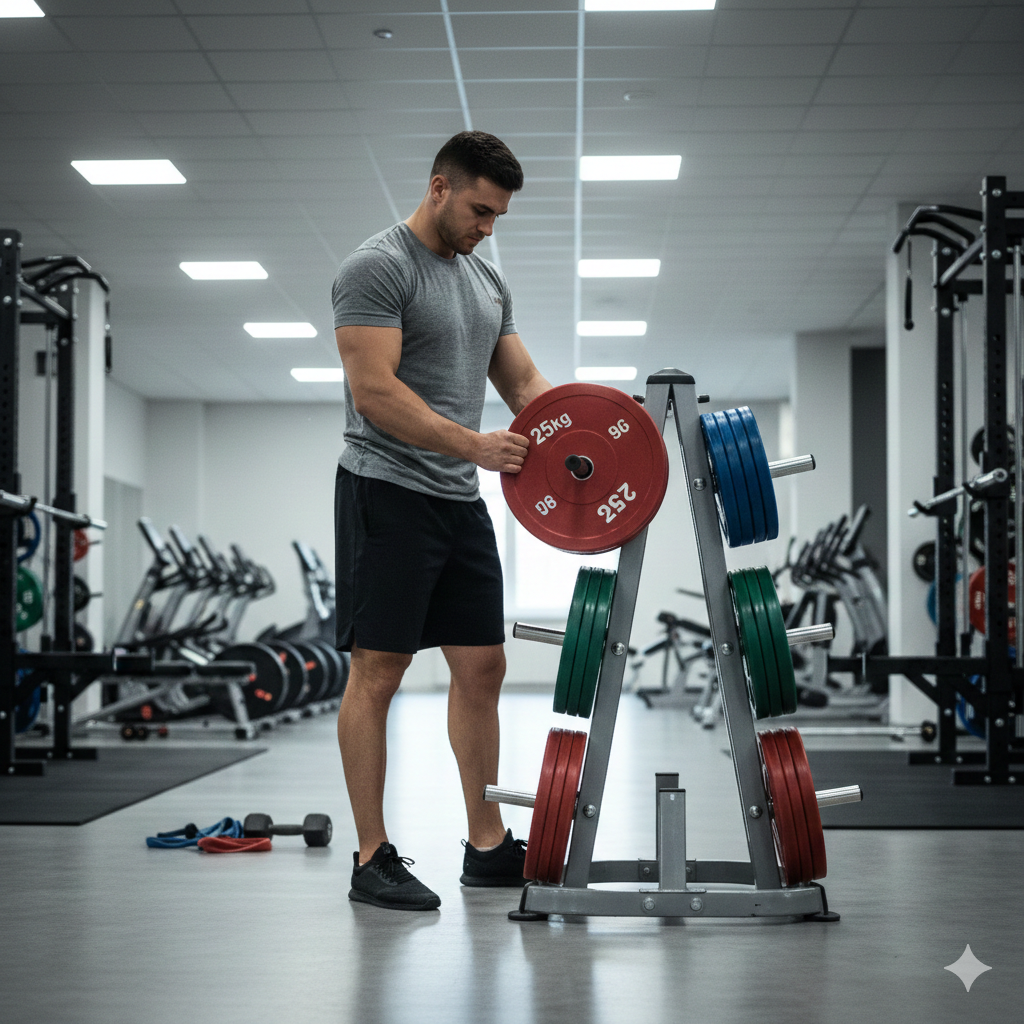
Return dumbbells to the correct rack position. Remove plates from a bar or plate-loaded machine when you finish unless a staff member or the next user specifically asks otherwise. Put handles, bands, and other accessories in their designated places.
Do not leave weights across walkways or drop equipment that is not intended to be dropped. Ask staff about designated lifting areas and local rules rather than assuming every gym handles the same exercises the same way.
Clean equipment using the club’s instructions
Wipe benches, seats, handles, and other contact surfaces after use with the products and method provided by your gym. Follow posted instructions, including any specified contact time. A towel for your own sweat is useful, but it is not automatically a substitute for the club’s cleaning process.
As one example, Planet Fitness’s published policies ask members to clean equipment, return weights, and respect others’ space. Rules vary by club, so read yours.
Share equipment without hovering
Ask, “How many sets do you have left?” or “Would working in be practical?” Wait for an answer. Sharing is easier when changing seats or loads is straightforward; it is not always suitable during a complicated setup.
Do not move another person’s belongings or touch their loaded bar without asking. If someone is using a station, choose a reasonable alternative or check with staff rather than standing over them.
Rest between sets is part of training. Scrolling for a long time while someone waits is a different issue. Avoid claiming several stations at once in a crowded room.
Keep racks, mirrors, and walkways usable
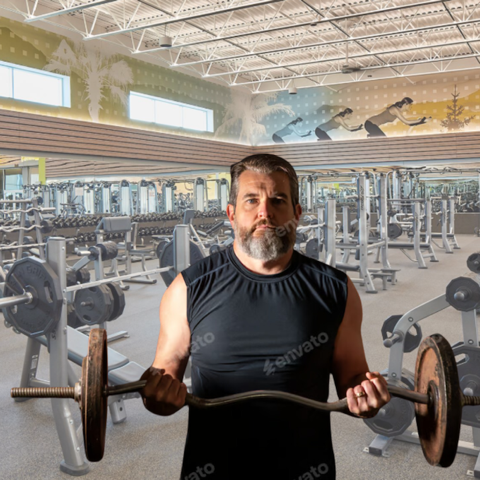
Collect your dumbbells and move to a clear training area. Do not start curls one step in front of the rack while other people need access. Leave enough space for another lifter’s movement and for safely setting equipment down.
Avoid walking close to someone during a lift. Keep bags and other belongings where the club permits them, and follow posted restrictions around racks, platforms, and emergency exits.
Use phones without taking over the room
Keep calls away from the training floor when possible and use headphones for audio. If you need to answer an important call, step into an appropriate area without blocking access.
Check the gym’s filming policy. Do not record other members without their permission, and respect locker-room privacy. A tripod does not give you ownership of a walkway or permission to capture everyone nearby.
Follow actual equipment time limits
Do not assume every club has a 20- or 30-minute cardio limit. Some do, some do not, and designated circuits may have separate rules. Follow posted limits and ask staff about busy-period arrangements.
Other members may be training for goals different from yours. Courtesy does not require telling someone that they do not need a particular amount of cardio.
Know when to involve staff
| Situation | Useful response |
|---|---|
| You need help setting up a machine. | Ask a qualified trainer or staff member for instruction. |
| Equipment appears damaged. | Stop using it and report it. |
| Someone repeatedly blocks access or behaves aggressively. | Let staff handle it rather than escalating an argument. |
| There is an immediate safety concern. | Alert the person or staff promptly and get appropriate help. |
Unsolicited coaching is usually unwelcome. An immediate safety concern is a reason to speak up, not to remain silent because you do not know the person.
Do not bring a respiratory illness to the gym
A runny nose or sore throat is not automatic permission to train around others. The CDC advises staying home for respiratory-virus symptoms not better explained by another cause. Return to normal activities when, for at least 24 hours, both your symptoms have been getting better overall and you have had no fever without fever-reducing medicine. Then use added precautions for five days. Follow additional individual advice when needed.
Bring a plan and leave the space ready
Use our workout-session checklist to organize your visit. If you are choosing a gym, the gym-selection guide covers practical questions to ask.
For beginner workouts and meal plans in one written starting routine, review the 31-Day Reboot. Train with purpose, clean up, and give the next person the same consideration you want.