Inconsistency in Fitness After 40: The #1 Mistake Keeping You Weak

Introduction:
Why Inconsistency in fitness after 40 Keeps You Stuck in a Cycle of Weakness & Frustration
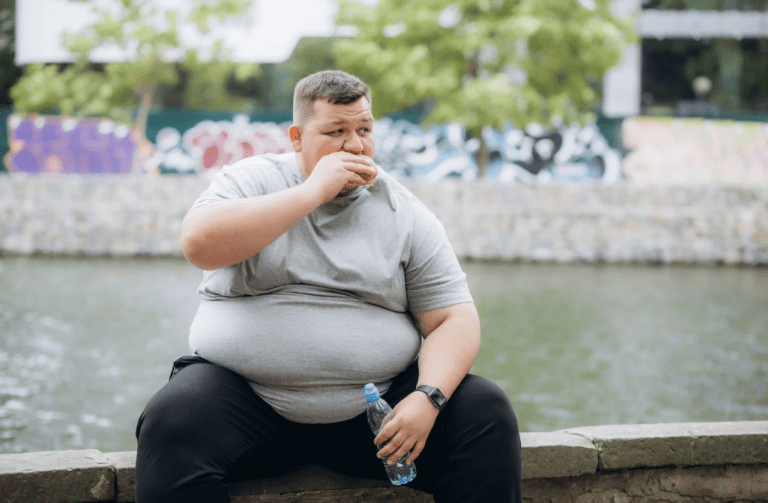
You’ve likely tried working out before, possibly several times, but for some reason, you still aren’t seeing the results you want. Perhaps your strength has plateaued, your body isn’t changing, or you continue to feel tired and unmotivated. If you are struggling with Inconsistency in fitness after 40, it’s hard build muscle or lose fat, rest assured that the issue isn’t your age.
It’s not your testosterone levels, it’s not that you have to train “differently” because of your age, and it’s not that your metabolism is suddenly broken. The simple truth is this: If you’re not consistently following a structured plan, you will never build the body you want.
In this post, we’ll explain precisely why inconsistency is killing your progress, the real reasons you keep falling off track, and how to finally break through and get in the best shape of your life—starting today.
Why Inconsistency in fitness after 40 Is The Silent Killer of Your Progress
For most men, inconsistency in fitness over 40 fall into one of these typical cycles:

Start strong, then burn out. You hit the gym hard for a few weeks, then life gets in the way. You miss one workout, then another, and suddenly, you’re “starting over” again.
- You participate in random workouts without a clear plan. You try various exercises, routines, and diet plans, but nothing truly resonates. Without a structured approach, progress is slow, and you lose motivation.
- You can diet intermittently. You eat healthily for a time, then revert to old habits. This yo-yo effect results in weight gain, frustration, and increased inconsistency.
- Overcomplicating everything. You waste time looking for the perfect routine, the best supplements, or the latest trends instead of just sticking to the basics that work.
Does that sound familiar? The real issue isn’t the workouts or the diet—you haven’t fully committed to a plan and stuck with it long enough to see significant results.
The 5 Major Reasons You Keep Getting Off Track (And How to Resolve Them)
1️⃣ You Rely Too Much on Motivation Instead of Discipline
The Problem: Most men think they must feel motivated to work out and eat right. But motivation is temporary, it comes and goes. Discipline is what gets results.
The Fix:
- Set a non-negotiable training schedule (e.g., 4 days a week, no excuses).
- Train at the same time every day to build a habit. The first thing in the morning is best. Get into the habit of getting up an hour earlier. Nothing bad ever happens at 5 am.
- Consider the five-minute rule: if you’re not motivated to work out, commit to five minutes. Often, you may find that you end up completing the entire session.
- Have accountability (partner, coach, or tracking system) to stay on course.
2️⃣ . You Don’t Have a Clear, Structured Plan
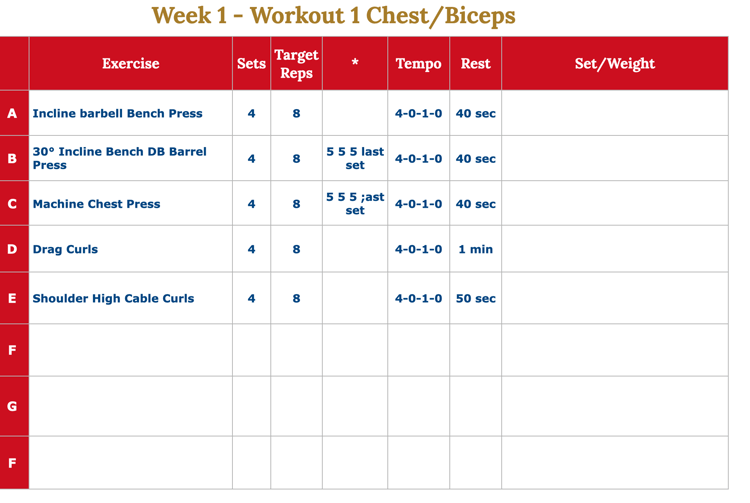
The Problem: If you don’t know exactly what to do whenever you enter the gym, you’ll waste time and might eventually quit. Unplanned workouts lead to unpredictable outcomes.
The Fix:
- Stick to a structured program that clearly outlines the exercises you should do, the number of sets and reps, and how to progress over time.
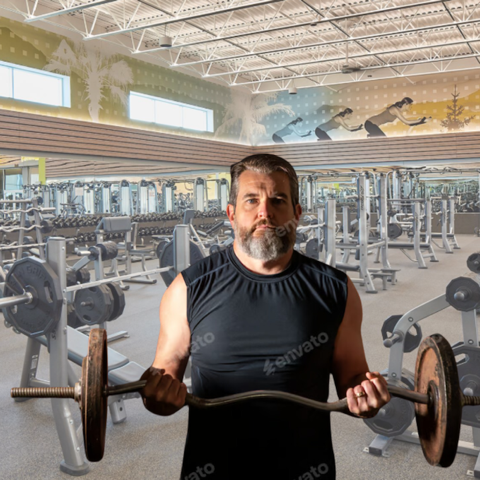
- Stick to one plan for at least 4-6 weeks—avoid jumping from one thing to another. I go to the gym five days a week. Every program I have lasts six weeks. I’ll then take a week off, which isn’t easy for me as I’m a routine person. The gym is where I start my day, but I also play a few racquet sports, so I still get some cardio.
- Track your progress. Write down your lifts, weight, and strength gains each week.
3️⃣ Nutrition and Recovery Are Factors In Inconsistency in fitness after 40
The Problem: You can’t out-train a bad diet. And if you’re not recovering properly, your body won’t build muscle or burn fat efficiently.
The Fix:
- Eat more protein. Aim for a minimum of 0.8 grams per pound of body weight daily. 1 to 1.3 grams is ideal.
- Don’t skip meals. Your body needs fuel to function and recover. Intermittent fasting can be incorporated, but it is not a permanent solution.
- Sleep 7-8 hours a night. Poor sleep kills testosterone and recovery, plus being tired feel like crap and make you cranky. No bueno.
- Manage stress effectively. High stress levels hinder fat loss and sap your energy. Weightlifting is among the most effective ways to reduce stress.
4️⃣ . You’re Not Focusing on Recovery and Mobility
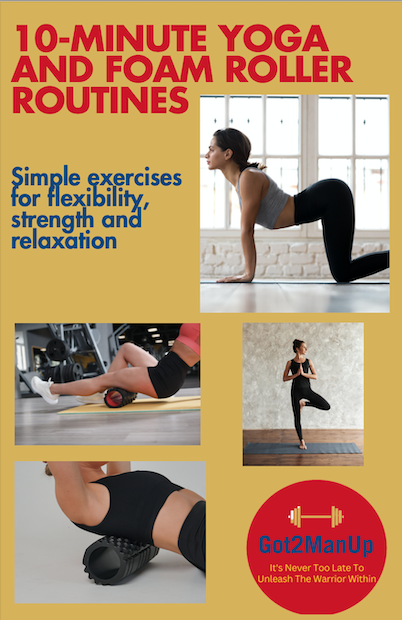
The Problem: Many men over 40 push hard in the gym but neglect recovery, which leads to injuries, stiffness, and burnout.
The Fix:
- Incorporate mobility work (dynamic stretching, foam rolling).
- Take active recovery days (walking, swimming, light yoga).
- Listen to your body. If you’re feeling run down, adjust intensity or take an extra rest day.
5️⃣. You Lack a Compelling “Why” and Defined Goals
The Problem: Without a deep motivation to get in shape, it’s easy to quit when things get tough.
The Fix:
- Define your reason for training (e.g., be strong for family, regain confidence, avoid health issues).
- Set specific, measurable goals (e.g., lose 10 lbs in 8 weeks, bench press 200 lbs, reduce waist size by 2 inches).
- Remind yourself daily why you started—write it down, put it on your phone, and stay focused. Listen to this one-minute video on goal writing: https://bit.ly/4aWnn6D
The 6-Week Fix: How to Build Consistency and Transform Your Body (Without Burnout)
If you want to finally break the cycle and start seeing results, commit to the next 6 weeks with these simple steps:
📌 Week 1-2: Build the Habit
- Pick a training schedule you can stick to (3-5 days a week, same time).
- Follow a set program—don’t “wing it” at the gym.
- Focus on compound movements (squats, deadlifts, presses, rows).
- Prep your meals ahead of time to avoid last-minute bad choices.
📌 Week 3-4: Lock In Your Progress
- Start tracking your strength gains—aim to lift slightly heavier each week.
- Keep your nutrition dialed in (protein, whole foods, hydration).
- Prioritize recovery—sleep better, reduce stress, and avoid overtraining.
📌 Week 5-6: Push to the Next Level
- Increase intensity (heavier weights, more reps, shorter rest times).
- Stick to your habits even when motivation dips—discipline takes over.
- Celebrate small wins (better energy, strength gains, fat loss).
By the end of six weeks, you will notice improvements in strength, muscle tone, and energy levels. Most importantly, you will have developed a consistent habit that encourages long-term transformation.
Final Thoughts on Inconsistency in fitness after 40: The Power of Just Showing Up
🚀 Ready to commit to a proven plan? My 16-week program is designed specifically for men over 40 who want to build muscle, lose fat, and feel strong again—without wasting time on things that don’t work.
📲 Click here to get started today and transform your body once and for all.
No more excuses. No more starting over. Just real, lasting results. Let’s go! 💪🔥
Sources
-
National Institute on Aging. “Health Benefits of Exercise and Physical Activity.” https://www.nia.nih.gov/health/exercise-and-physical-activity/health-benefits-exercise-and-physical-activity nia.nih.gov
-
Centers for Disease Control and Prevention. “Physical Activity Benefits for Adults 65 or Older.” https://www.cdc.gov/physical-activity-basics/health-benefits/older-adults.html CDC
-
Lin YH and colleagues. “Physical activity and successful aging among middle-aged and older adults.” Meta-analysis (2020). https://pmc.ncbi.nlm.nih.gov/articles/PMC7244057/ PMC
-
Langhammer B and colleagues. “The Importance of Physical Exercise in Maintaining Health, Function and Quality of Life among Older Adults.” https://pmc.ncbi.nlm.nih.gov/articles/PMC6304477/ PMC
-
Di Lorito C and colleagues. “Exercise interventions for older adults: A systematic review of mobility, strength, balance, and function.” https://www.sciencedirect.com/science/article/pii/S2095254620300697 ScienceDirect
-
Recent 2025 study: Godhe M, Nilsson J, Andersson EA. “Short- and Long-Term Effects on Physical Fitness in Older Adults: Results from an 8-Week Exercise Program Repeated in Two Consecutive Years.” Geriatrics, 2025. https://doi.org/10.3390/geriatrics10010015 MDPI
Frequently Asked Questions (FAQs)
Q1: Why does inconsistency in fitness matter more after 40?
After 40, your body becomes less forgiving. Muscles, joints, and bones need regular stimulus to stay strong. Skipping workouts often means losing progress, strength, mobility, and overall health decline faster than when you were younger.
Q2: Is it better to do short, consistent workouts than occasional intense sessions?
Yes. Regular moderate exercise, even if short, builds lasting health benefits. Consistency beats intensity because it allows your body to adapt and prevents injury or burnout.
Q3: Can I reverse the damage if I have been inconsistent for years?
Yes. It is never too late to restart regular physical activity. Even simple routines, walking, light strength training, stretching, can rebuild strength, improve mobility, and start reversing age-related decline.
Q4: What kinds of exercise should I do to stay fit and healthy after 40?
A mix works best. Combine aerobic activity (walking, cycling, swimming) with strength training and mobility/flexibility work. This blend supports cardiovascular health, muscle strength, balance, and joint health.
Q5: What practical steps help avoid inconsistency and stick with a fitness plan long-term?
Set realistic routines, choose exercises you enjoy, track your progress, schedule workouts like appointments, and adjust intensity to match your energy and lifestyle. Consistent small efforts build sustainable fitness.