The Silent Saboteur: How Chronic Inflammation In Men Is Holding You Back (and How to Kick It’s Ass)
Are you truly performing at your peak? Or is something silently undermining your energy, strength, and overall health?
For too many of us, the answer lies in an invisible enemy: chronic inflammation in men. This isn’t the good kind of inflammation – the kind that heals a cut or helps your muscles grow after a brutal workout. This is the insidious, low-grade, persistent inflammation that’s quietly eroding your health, chipping away at your vitality, and preventing you from being the man you’re meant to be.
You hit the gym, you try to eat right, you push hard at work, and you strive to be a rock for your family. But if you’re constantly feeling sluggish, struggling with stubborn fat, experiencing aches and pains, or just not bouncing back like you used to, chronic inflammation in menmight be the hidden culprit. It’s time to stop treating symptoms and start addressing the root cause. This isn’t just about feeling better; it’s about reclaiming your full potential.

The Two Faces of Fire: Understanding Inflammation
To fight this silent saboteur, we first need to understand it. Inflammation isn’t inherently bad. In fact, it’s a vital biological process – your body’s emergency response team rushing to the scene of an injury or infection.
1. Acute Inflammation: The Body’s Elite Response Team
Think of acute inflammation as the immediate, targeted, and powerful response to an acute threat. You twist an ankle, cut your hand, or dominate a leg day workout. Your body triggers localized swelling, redness, heat, and pain. This is a sign that your immune system is dispatching white blood cells, growth factors, and healing proteins to the area. It’s a crucial process for:
-
Wound Healing: Sealing off injuries and preventing infection.
-
Infection Control: Mobilizing defenses against bacteria and viruses.
-
Muscle Repair & Growth: Post-workout inflammation is essential for breaking down damaged muscle fibers and signaling the body to rebuild them stronger and larger. Interfere with this (e.g., with excessive NSAID use or immediate icing after every workout) and you could blunt your gains.
This type of inflammation is transient, localized, and resolves quickly once the job is done. It’s a sign of a robust, healthy immune system doing its job.
2. Chronic Inflammation In Men: The Rogue Army
Here’s where the problem arises. Chronic inflammation is what happens when that emergency response team never stands down. It’s a prolonged, systemic, low-grade inflammatory state that attacks your own body. It’s like having your fire alarm constantly blaring, even when there’s no fire, and eventually, the constant noise starts to damage the house.
This persistent inflammatory state isn’t a response to a single, obvious threat. Instead, it’s often a cumulative reaction to:
-
Persistent dietary triggers: Foods that don’t agree with your system.
-
Environmental toxins: Pollutants, chemicals.
-
Chronic stress: Emotional, physical, or mental.
-
Sleep deprivation: Severely impairs your body’s recovery.
-
Hidden infections: Low-grade, unresolved pathogens.
The constant low-level “alert” system begins to wear down tissues, organs, and systems throughout your body. This is where the real damage starts, manifesting in ways that can profoundly impact your health and performance.

The Far-Reaching Clutches of Chronic Inflammation In Men
If you’re asking, “What exactly does chronic inflammation do?”, prepare for a wake-up call. It’s not just about joint pain. This silent saboteur is implicated in virtually every major chronic disease plaguing modern men:
Stubborn Fat and Metabolic Dysfunction
Far from just a calorie imbalance, obesity is now recognized as an inflammatory state. Fat cells, particularly abdominal fat, actively produce inflammatory compounds (adipokines). This inflammation, in turn, can lead to insulin resistance, making it harder to lose weight and easier to store it, creating a vicious cycle.
Heart Disease
Inflammation plays a critical role in the development of atherosclerosis – the hardening and narrowing of arteries. It’s not just cholesterol; it’s the inflammatory response to oxidized LDL particles that initiates and propagates plaque formation.
Joint Pain and Autoimmune Issues
Conditions like arthritis, lupus, and even some forms of digestive disorders (Crohn’s, IBS) are direct manifestations of the immune system mistakenly attacking the body due to chronic inflammation.
Brain Fog and Mental Health
Growing research connects chronic inflammation in men to neurological issues, including depression, anxiety, and cognitive decline. Your brain isn’t isolated from the rest of your body; systemic inflammation can cross the blood-brain barrier and affect neurotransmitter function.
Reduced Muscle Growth and Recovery
Just as acute inflammation helps build muscle, chronic inflammation in men can actively inhibit it. It can increase levels of myostatin (a protein that limits muscle growth) and impair your body’s ability to repair and recover from workouts, sabotaging your gains.
Compromised Energy Levels
When your body is constantly fighting a low-grade war, it diverts resources away from optimal energy production, leaving you feeling perpetually drained.

Increased Risk of Cancer
Chronic inflammation in mern creates an environment ripe for cellular damage and uncontrolled growth, a known precursor to many types of cancer.
This isn’t a comprehensive list, but it should be clear: chronic inflammation isn’t a minor annoyance. It’s a foundational threat to your long-term health, performance, and quality of life.
The Gut: Your Inner Battlefield
Where does much of this chronic inflammation in men originate? Increasingly, evidence points to your gut. Your intestinal lining isn’t just a passive tube; it’s a highly sophisticated barrier. Imagine it as a finely woven net, allowing nutrients in while keeping harmful substances out.
This barrier is regulated by proteins like zonulin, which control the “tight junctions” between cells. When these junctions become “leaky” – allowing larger, undigested food particles, toxins, and bacteria to slip into your bloodstream – your immune system flags them as invaders. This triggers a systemic inflammatory response.
This concept, often called “leaky gut syndrome” or increased intestinal permeability, isn’t just for those with diagnosed conditions like Celiac disease or Crohn’s. Even subtle everyday exposures can contribute to a compromised gut barrier, leading to widespread inflammation.
The Five Horsemen of Gut Inflammation
What causes this crucial intestinal barrier to become compromised and fuel the fire of chronic inflammation? There are five major culprits often riding in tandem:

1. Dietary Choices
This is arguably the biggest lever you can pull.
-
Processed Foods: High in refined sugars, unhealthy trans fats, and artificial additives.
-
Excess Omega-6 Fatty Acids: While omega-6s are essential, the typical Western diet is overloaded with them (from vegetable oils like corn, soy, sunflower) and deficient in omega-3s, skewing the inflammatory balance.
-
“Problem” Foods: For some, dairy or gluten (even without full celiac disease) can trigger an immune response and increase gut permeability.
-
Alcohol: Excessive consumption directly damages the gut lining.
2. Medications
-
Antibiotics: While life-saving, they decimate beneficial gut bacteria along with the bad, disrupting the delicate microbiome balance.
-
NSAIDs (Non-Steroidal Anti-Inflammatory Drugs): Ironically, chronic use of pain relievers like ibuprofen can directly irritate and damage the gut lining.
-
Antacids: Long-term use can alter gut pH, impacting digestion and bacterial balance.
3. Infections
Persistent low-grade infections (bacterial, viral, fungal, parasitic) can perpetually stimulate the immune system and damage the gut barrier.
4. Chronic Stress
Whether it’s mental, emotional, or physical (like overtraining or sleep deprivation), stress releases hormones (like cortisol) that can directly increase intestinal permeability and suppress beneficial gut bacteria. Your gut and brain are intimately connected via the gut-brain axis; stress in one affects the other.
5. Hormonal Imbalances
Fluctuations or imbalances in key hormones like thyroid hormones, testosterone, progesterone, and estrogen can influence gut health and immune regulation. Optimal hormonal balance is critical for overall systemic well-being.
Your Three-Pronged Attack: Reclaiming Your Health
Enough talk about the problem. It’s time for solutions. Combating chronic inflammation in men requires a holistic, multi-faceted strategy. This isn’t a quick fix; it’s a commitment to a healthier, more powerful you.

1. Fortify Your Lifestyle & Food Choices: The Foundation
This is where the real work begins. Your daily habits are your most potent weapons.
-
Conquer Abdominal Fat: This is non-negotiable. Visceral fat (the fat around your organs) is a metabolic disaster zone, pumping out inflammatory compounds. Losing even a modest amount can dramatically reduce systemic inflammation markers like C-reactive protein (CRP). Prioritize clean eating and consistent, smart training.
-
Prioritize Sleep: This isn’t a luxury; it’s a biological imperative. Aim for 7–9 hours of quality sleep per night. Sleep deprivation elevates stress hormones and inflammatory markers. Establish a consistent sleep schedule and optimize your sleep environment.
-
Manage Stress – The Mental Game: Chronic stress is an inflammatory accelerant. Find your outlets: meditation, deep breathing, spending time in nature, pursuing hobbies, strong social connections. Learn to compartmentalize and detach from stressors when possible. This is where “manning up” means taking control of your mental landscape.
-
Strategic Exercise: Exercise is powerfully anti-inflammatory, but there’s a sweet spot. Overtraining, especially without adequate recovery, can become a physical stressor that increases inflammation. Listen to your body, incorporate rest days, and balance high-intensity work with lower-intensity recovery activities.
The Anti-Inflammatory Diet Blueprint
-
Eliminate Processed Foods: Cut out sugary drinks, refined carbs, fast food, and anything with a lengthy ingredient list you can’t pronounce.
-
Embrace Whole, Unprocessed Foods: Focus on nutrient-dense, real foods.
-
Abundant Vegetables & Fruits: Especially brightly colored ones rich in antioxidants (berries, leafy greens, bell peppers, broccoli).
-
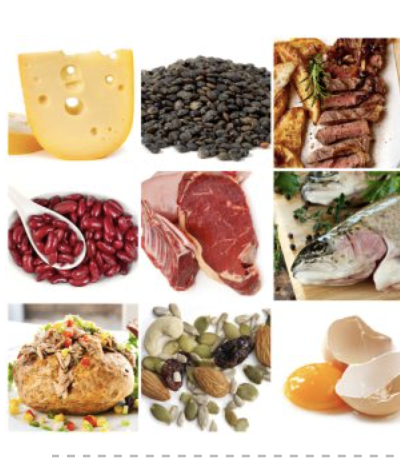
Quality Protein: Lean meats (grass-fed where possible), poultry, wild-caught fish, eggs, legumes.
-
Healthy Fats: Avocados, olive oil, nuts, seeds. Prioritize Omega-3s (from fatty fish like salmon, mackerel, sardines), which are potent anti-inflammatory agents. Reduce excessive omega-6s from highly processed vegetable oils.
-
Hydration: Drink plenty of clean water throughout the day.
-
Consider Individual Sensitivities: If you suspect certain foods (like gluten or dairy) are causing issues, consider a temporary elimination diet under guidance to see how your body responds.
2. Cultivate Your Inner Ecosystem: The Bacterial Bulwark
Your gut microbiome is your frontline defense against inflammation. You need to nurture a diverse and thriving community of beneficial bacteria.
-
Probiotics – Reseeding the Garden: Don’t just pop a random pill. Focus on food sources first.
-
Fermented Foods: High-quality, traditionally fermented foods are powerhouses of beneficial bacteria. Think unpasteurized sauerkraut, kimchi, kefir (dairy or non-dairy), and unsweetened yogurt (if dairy tolerant). A single serving of real sauerkraut can contain more beneficial bacteria than many probiotic supplements.
-
-
Prebiotics – Feeding Your Allies:
-
FOS (Fructooligosaccharides) & Inulin-Rich Foods: Onions, garlic, leeks, asparagus, chicory root, unripe bananas, oats, artichokes.
-
GOS (Galactooligosaccharides) Rich Foods: Lentils, chickpeas, green peas, lima beans, kidney beans. These are also being studied for their positive impact on mental health, likely due to the gut-brain connection and inflammation reduction.
-
Aim for 5–20 grams of mixed prebiotics daily. If diet alone isn’t enough, consider a high-quality prebiotic supplement.
-
Diversify Your Diet: The wider variety of plant foods you eat, the more diverse your gut microbiome will be. Each type of fiber and plant compound feeds different beneficial strains.
3. Targeted Support: Strategic Supplements & Natural Powerhouses
While diet and lifestyle are primary, strategic supplementation can provide additional firepower against inflammation. Think of these as precision “cruise missiles” targeting systemic inflammation.
-
Omega-3 Fatty Acids (EPA & DHA): Beyond heart health, these are among the most well-researched anti-inflammatory supplements. They modulate inflammatory pathways and support brain function.
-
Curcumin (from Turmeric): The active compound in turmeric is a potent anti-inflammatory and antioxidant. Look for supplements with enhanced bioavailability (e.g., with piperine or liposomal delivery).
-
Ginger: Another root with powerful anti-inflammatory properties, ginger can be used in cooking, teas, or as a supplement.
-
Resveratrol: Found in grapes and red wine, this compound has been studied for its anti-inflammatory and antioxidant effects, particularly in relation to cardiovascular health and longevity.
-
Green Tea Extract (EGCG): Rich in catechins, green tea is a potent antioxidant and anti-inflammatory. It supports metabolic health and helps combat oxidative stress.
-
Vitamin D: Plays a key role in immune modulation and inflammation reduction. Many men are deficient. Get tested and supplement as needed.
-
Magnesium: Involved in hundreds of bodily processes, magnesium can reduce inflammation, improve sleep, and support stress resilience.
A Note on Pharmaceuticals (and Why They’re Not the First Step)
The article you read touches on statins. While they can be life-saving for some, it’s crucial to understand their primary benefit may lie in their anti-inflammatory effects rather than cholesterol reduction alone. But relying on pharmaceuticals first without addressing diet and lifestyle is like bailing out a sinking boat without patching the holes.
Use them as tools, not crutches.

The Got2ManUp Imperative
Fighting chronic inflammation i men isn’t about chasing fads or quick fixes. It’s about a fundamental commitment to optimizing your health, making smart choices, and being proactive, not reactive. It’s about understanding your body and taking control.
This isn’t just about avoiding disease. It’s about:
-
More Energy: To power through your day, whether at work or with your kids.
-
Improved Recovery: So you can crush your workouts and build the physique you desire.
-
Sharper Mind: To stay focused and effective.
-
Better Mood: To navigate life’s challenges with resilience.
-
Long-Term Vitality: To live a fuller, more active life as you age.
It’s time to stop letting chronic inflammation hold you back. Embrace these strategies, fortify your body from the inside out, and unlock the robust, high-performing man you’re capable of being.
This isn’t just health advice, it’s a blueprint for strength, clarity, and lasting resilience.
Resources Used For This Article: