7 Unexpected High Protein Meals to Ignite Gains
Beyond Protein Shakes – Unexpected High Protein Meals
If you’ve been following my posts, you know I’m a fan of protein shakes. They are a great way to assist in hitting your daily protein goals (I can’t hit 190 anymore, but I regularly hit 150 and couldn’t do it without drinking a daily protein shake). Your working hard in the gym, you already know protein is crucial for muscle recovery and growth. But let’s face it—protein shakes can get boring. Let’s explore seven unexpected high protein meals beyond the typical shake to keep your fitness journey exciting and compelling.
Why Protein Matters Beyond the Gym
Protein isn’t just for bodybuilders; it’s essential for everyone aiming for better health. It aids in muscle recovery, boosts metabolism, and keeps you fuller longer, preventing unhealthy snacking (source: Harvard Health Publishing).
7 Unexpected High Protein Meals

1. Spicy Tuna Stuffed Avocados
Rich in protein and healthy fats, avocados stuffed with spicy tuna provide a perfect post-workout recovery meal.
- Protein content: 30g per serving
Ingredients:
- 2 ripe avocados, halved and pitted
- 8 oz fresh tuna, diced
- 2 tbsp Greek yogurt
- 1 tsp chili flakes
- Salt and pepper to taste
How to make:
- Mix diced tuna, Greek yogurt, chili flakes, salt, and pepper.
- Spoon mixture into avocado halves and serve immediately.
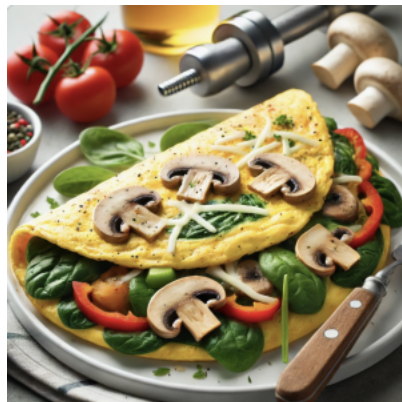
2. High-Protein Veggie Omelette

Eggs aren’t a new protein source, but a loaded veggie omelet offers essential nutrients to fuel your workouts.
- Protein content: 25g per serving
Ingredients:
- 3 large eggs
- 1/2 cup spinach, chopped
- 1/4 cup bell peppers, diced
- 1/4 cup mushrooms, sliced
- 1/4 cup shredded cheese
- Salt and pepper to taste
How to make:
- Whisk eggs with salt and pepper.
- Sauté veggies until tender.
- Pour eggs into the pan, add veggies and cheese, cook until firm, then fold and serve.
3. Lentil and Chickpea Salad Bowl

Lentils and chickpeas combine to deliver a plant-based protein powerhouse ideal for muscle-building without meat.
- Protein content: 22g per serving
Ingredients:
- 1 cup cooked lentils
- 1 cup canned chickpeas, drained
- 2 cups mixed greens
- 1 tbsp olive oil
- 1 tbsp lemon juice
- Salt and pepper to taste
How to make:
- Combine lentils, chickpeas, and greens in a bowl.
- Drizzle with olive oil, lemon juice, salt, and pepper; toss gently and serve.
4. Protein-Packed Turkey Chili

Turkey chili is hearty, delicious, and packed with muscle-supporting protein.
- Protein content: 35g per serving
Ingredients:
- 1 lb lean ground turkey
- 1 can of kidney beans
- 1 can diced tomatoes
- 1 tbsp chili powder
- 1 tsp cumin
- Salt and pepper to taste
How to make:
- Brown turkey in a pan, add beans, tomatoes, and spices.
- Simmer for 25 minutes, stirring occasionally, then serve hot.
5. Quinoa Chicken Bowl

Quinoa paired with grilled chicken offers a satisfying meal loaded with protein and fiber.
- Protein content: 32g per serving
Ingredients:
- 1 cup cooked quinoa
- 6 oz grilled chicken breast, sliced
- 1/2 cup broccoli florets, steamed
- 1/2 cup carrots, sliced
- 2 tbsp teriyaki sauce
How to make:
- Arrange quinoa, chicken, and veggies in a bowl.
- Drizzle teriyaki sauce on top and enjoy immediately.
6. Cottage Cheese Protein Pancakes

Give pancakes a high-protein upgrade with cottage cheese, perfect for breakfast or post-gym refueling.
- Protein content: 20g per serving
Ingredients:
- 1/2 cup cottage cheese
- 1/2 cup oats
- 2 egg whites
- 1/2 tsp cinnamon
How to make:
- Blend all ingredients until smooth.
- Cook batter on a hot skillet, flipping when bubbles form. Serve with fresh fruit.
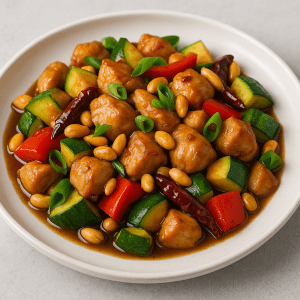
7. Beef and Edamame Stir-Fry

This easy stir-fry combines lean beef and protein-rich edamame for a mighty muscle-building meal.
- Protein content: 38g per serving
Ingredients:
- 6 oz lean beef, thinly sliced
- 1 cup edamame, shelled
- 1/2 cup bell peppers, sliced
- 2 tbsp soy sauce
- 1 tbsp olive oil
How to make:
- Heat oil in a pan, and cook beef until browned.
- Add edamame and peppers, stir-fry for 5 minutes, then add soy sauce and cook for another 2 minutes.
Optimize Your Unexpected High Protein Meals for Maximum Gains
Consistently incorporating these high-protein meals into your diet ensures fueling your body efficiently. Pair these meals with regular strength training to maximize muscle gains and overall fitness (source: National Institutes of Health).
🔥 13 Complete Resources for Men Over 40 🔥
Lose fat, rebuild muscle, and reclaim your energy with the ultimate 16-week fitness and nutrition program — designed specifically for men who refuse to slow down.
💪 Strength. ⚡ Energy. 🔥 Confidence.
All in one powerful blueprint. Click Here To Get It Now!
Sources:
Harvard Health Publishing: https://www.health.harvard.edu
National Institutes of Health (NIH): https://www.nih.gov
Frequently Asked Questions (FAQ)
Q1: Why is it important to include high-protein meals?
Eating enough protein helps you build and maintain muscle, boosts metabolism, stabilizes energy levels, and keeps you feeling full longer. High-protein meals also help with recovery after workouts and support overall health.
Q2: What counts as a high-protein meal?
A high-protein meal includes foods rich in protein, such as lean meats (chicken, turkey, beef), fish, eggs, dairy (cottage cheese, Greek yogurt), beans and legumes, and protein-rich plant foods like tofu. A good baseline is to aim for around 25–40 grams of protein per main meal.
Q3: Can I get enough protein without eating meat?
Yes. You can meet your protein needs with plant-based and vegetarian sources such as beans, lentils, chickpeas, tofu, tempeh, seitan, quinoa, dairy products, eggs, nuts, and seeds. Combining different sources (e.g. beans + grains) helps ensure you get all essential amino acids.
Q4: Will eating more protein make me gain weight?
Not necessarily. Protein can increase satiety (feelings of fullness), which often leads to eating fewer overall calories. If your total daily calories remain at maintenance or below, a higher-protein diet can help with fat loss while preserving muscle.
Q5: When should I eat high-protein meals for best results?
It’s best to spread protein intake across the day — breakfast, lunch, and dinner. Having a good protein source after workouts supports muscle recovery and growth. Including protein in your first meal helps stabilize energy and reduce cravings.