How to Eat Healthy on a Budget Without Wasting Food

“I’d love to eat healthy, but it’s too expensive.” I hear it all the time. Food costs matter, and a plan that blows up your grocery budget is not a useful plan.
You do not need an all-organic shopping cart, a garage freezer, or expensive specialty products to get started. Focus on meals you will eat, ingredients you can afford, and food you will actually use.
Plan a few meals before shopping
Check the refrigerator, freezer, and pantry first. Pick two or three meals with ingredients that overlap. A pound of ground meat, beans, rice, and canned tomatoes can go further than buying unrelated ingredients for a different elaborate dinner every night.
Write a list and check what is on sale before you leave. Shopping hungry can make impulse purchases more tempting, so choose a time that makes sticking to your list easier.
Compare the price you actually pay
| Instead of assuming | Check this |
|---|---|
| The large package is cheaper | Unit price and how much you can use or freeze |
| A name brand is better | Store-brand price, ingredients, and nutrition label |
| Fresh produce is the only healthy option | Frozen and canned choices with less waste |
| A farmers market always saves money | Actual prices against your regular store |
| Organic is required | Overall food variety, affordability, and portions |
The CDC’s budget-eating tips include planning, store brands, and frozen or canned options. Expensive labels are not a substitute for a workable shopping routine.
Choose affordable protein you enjoy
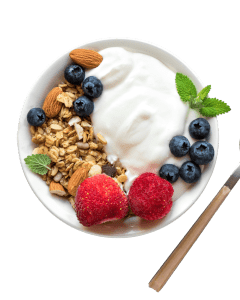
Compare eggs, beans, lentils, plain yogurt, chicken, and lean ground meat according to local prices and your preferences. You do not need steak at every meal. I like a good NY strip, but waiting for a sale makes more sense than pretending it is an everyday budget food.
I also check the manager’s-special section. A markdown is useful only when the package is sound, storage has been safe, and you can use or freeze it promptly. Follow package instructions and safe storage guidance. A discount does not rescue mishandled food.
Spend less on drinks and impulse snacks
Water can replace some purchased sugary drinks without buying a carbonation machine. Pack a snack when it helps you avoid a daily convenience-store stop. You can still include foods you enjoy; putting them on the list and portioning them beats buying extras without noticing.
Make leftovers part of the plan
Cook enough for a planned second meal, not a mountain of food that sits forgotten. Label portions with the date, keep the next meal visible, and freeze what you will not use in time. Build from this beginner meal-prep guide.
For mornings, try make-ahead egg breakfasts. Start with one affordable meal you can repeat this week. Consistency matters more than a perfect grocery haul.
Put the basics into practice
Want more structure? The 31-Day Reboot includes meal plans, grocery lists, and beginner machine workouts.