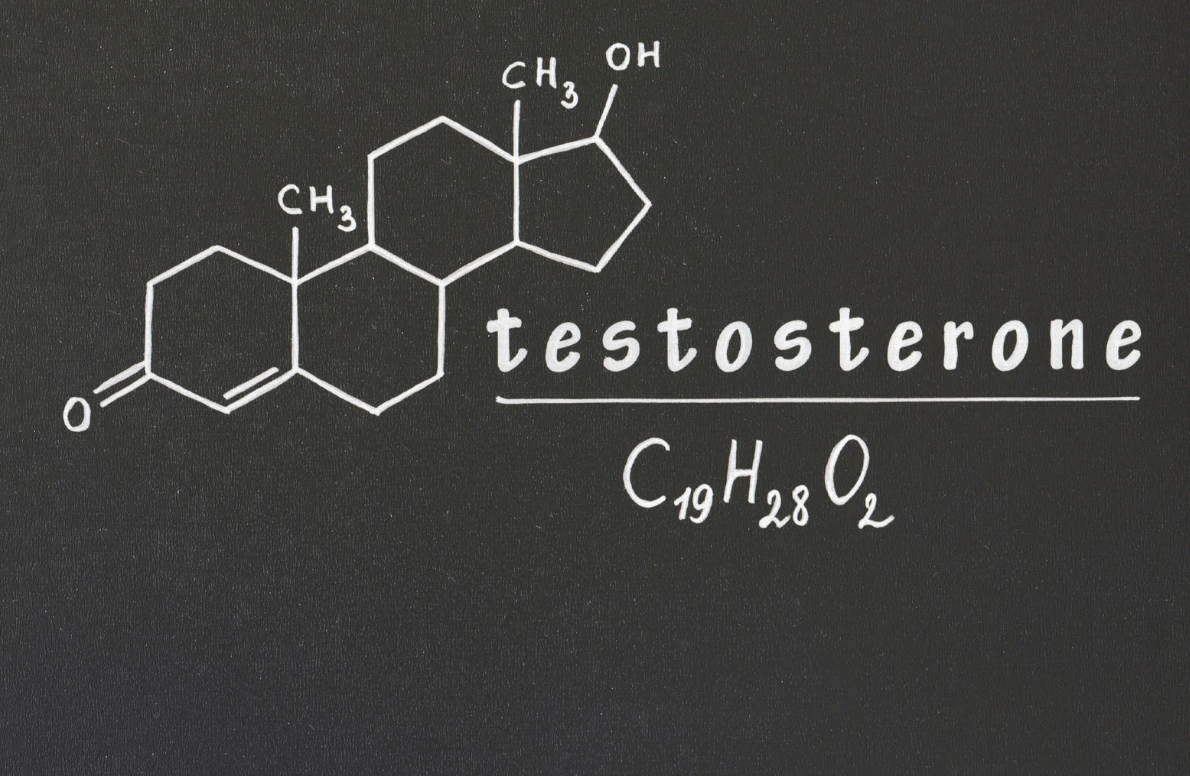
Testosterone After 40: Healthy Habits and When to Get Checked

Testosterone after 40 gets plenty of attention, usually alongside a promise to make you feel younger fast. Better habits are worth building. But no food, workout, or supplement can promise to normalize a hormone level or explain every tired day.
Focus on a routine that supports your health while taking persistent symptoms seriously. You do not have to finish months of self-experimenting before asking for help.
Age alone does not diagnose low testosterone
Testosterone levels can change with age, illness, medication, and other factors. Low energy or difficulty building muscle can have more than one explanation. The Endocrine Society’s patient guidance describes diagnosis using relevant symptoms and consistently low blood-test results, not age or a symptom checklist alone.
Build a useful weekly routine
| Area | Practical next step | What not to assume |
|---|---|---|
| Training | Use a repeatable strength plan with manageable loads and recovery | Heavier or more exhausting means better hormone treatment |
| Sleep | Protect a regular sleep opportunity and discuss persistent sleep trouble | A particular bedtime guarantees a testosterone increase |
| Food | Plan adequate meals with protein and a variety of foods you tolerate | A single ingredient is a testosterone booster |
| Weight | Discuss a sustainable plan if excess weight is a health concern | Every man needs the same target or will see the same hormone change |
| Stress | Choose a small daily break, walk, or enjoyable activity | Feeling calmer proves your blood level has changed |
Start with the area causing the biggest practical problem. My strength-training guide for men over 40 and sleep-quality guide offer concrete starting points.
Keep weight and hormone claims separate
For some men, addressing obesity or another reversible contributor can improve testosterone levels. That does not mean every low result comes from body fat, or that losing a fixed number of pounds guarantees a particular increase. The cause and the next step need individual assessment.
Likewise, a hard workout can be useful without serving as a hormone test. Track strength, consistency, and recovery rather than trying to infer your testosterone from soreness or how pumped you feel.
Do not shop your way around symptoms
A product labeled natural is not a substitute for diagnosis. Avoid stacking supplements or starting hormones based on an advertisement. Review products and medications with your clinician or pharmacist, including anything bought online.
Persistent changes in sex drive, erections, energy, or other concerning symptoms deserve a conversation. My low-testosterone assessment checklist explains how to prepare for that visit.
Use structure for the habits you control
The 31-Day Reboot includes meal plans, grocery lists, and beginner machine workouts. It is a routine-building resource, not treatment for testosterone deficiency.