Tennis Conditioning: Strength and Footwork for Recreational Players
 Tennis is my favorite sport, and anyone who plays knows it can ask a lot of your legs, shoulders, and concentration. A conditioning plan should support the game you enjoy, not leave you too exhausted to play it.
This is a general strength-and-footwork example for recreational players. It is not an elite player’s program, a weight-loss guarantee, or a substitute for stroke coaching.
Warm up before you chase a ball
Begin with easy walking or gentle court movement, then small side steps and comfortable practice swings. Gradually increase movement rather than opening with a full-speed sprint.
On court, controlled short-court hitting can help you ease into the session. The USTA tennis warm-up example progresses from mini-tennis toward longer shots and serves. Adapt it to your skill and comfort.
Use a manageable strength session
| Movement | Starting amount | Focus |
|---|---|---|
| Supported split squat | 1–2 × 6–10 per side | Balance and controlled leg effort |
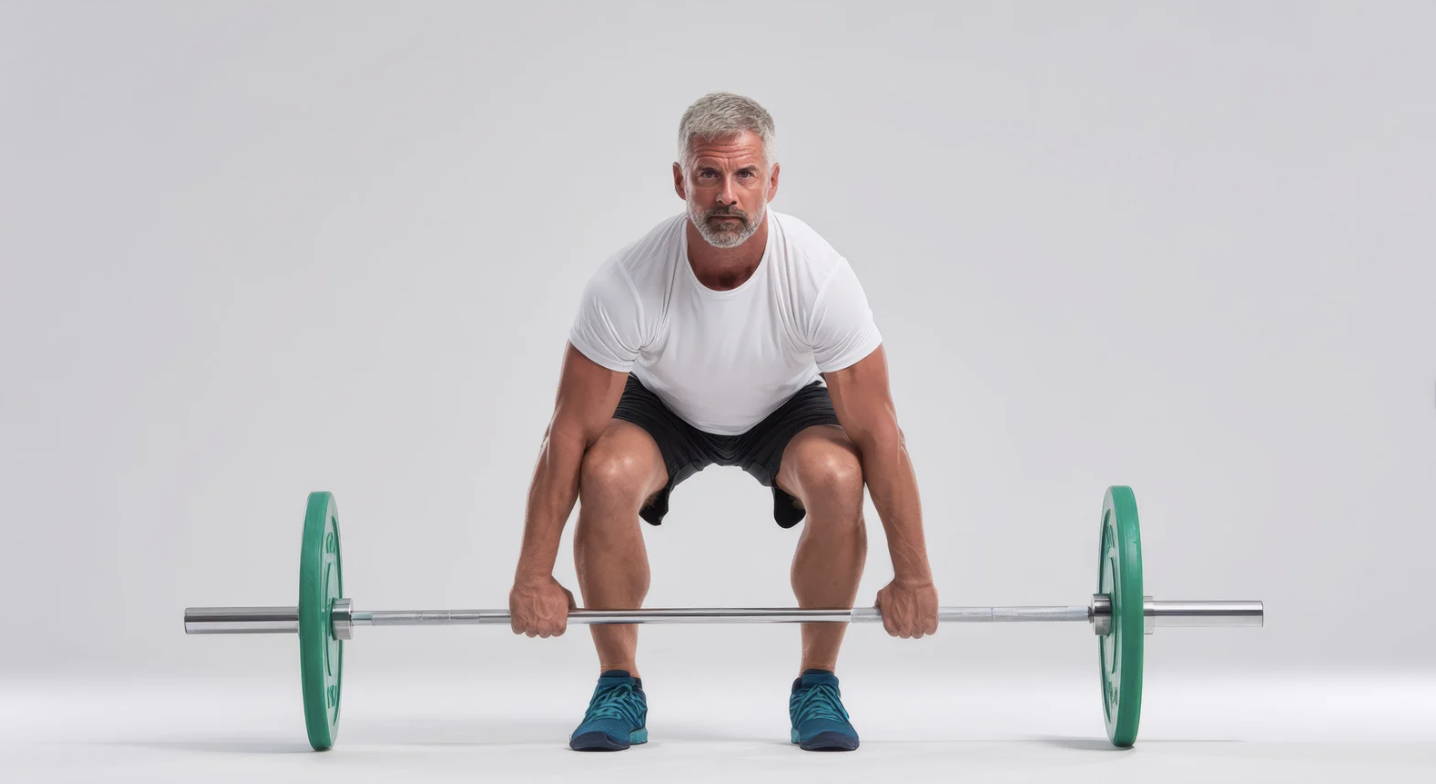
| Dumbbell Romanian deadlift | 1–2 × 8–12 | Hip hinge without rounding |
| Supported dumbbell row | 1–2 × 8–12 per side | Pull without twisting |
| Wall or incline push-up | 1–2 × 6–10 | Comfortable pressing range |
| Bent-knee side plank | 2 × 10–15 seconds per side | Steady trunk and normal breathing |
Rest about 60–120 seconds or more when needed. Keep a few good repetitions available. The leg-training guide has more squat and hinge cues. Get help with unfamiliar movements before adding load.
Add footwork while you can still control it
On a clear, dry court, practice a few gentle side steps each way, pause in a balanced position, then walk back. Try four short passes at an easy pace, resting between them.
Keep this as coordination practice first. Faster changes of direction, jumps, and repeated sprints need their own progression. Do not add them just because the strength workout already has your legs shaking.
Fit conditioning around playing
Begin with one short strength session in the week and review how you feel on court. Add another only when your total workload and recovery allow. Avoid introducing a hard new leg session immediately before an important match.
Stop for sharp pain, dizziness, chest symptoms, or unusual breathlessness. Persistent shoulder, elbow, or knee symptoms deserve assessment rather than a promise that better conditioning will cure them.
If you are choosing your first activity, read finding a sport after 40. The 31-Day Reboot includes beginner machine workouts, meals, and grocery lists. Keep enough energy to enjoy the tennis.