
Should You Workout When You Are Sore?
It’s Good To Workout When You Are Sore – To A Point
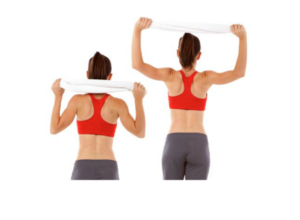 No matter what your fitness level, there’s no doubt you’ve felt some pain from working out. Tightness in your calves, a twitch in your hamstrings when you sit, general soreness in your chest or triceps. Usually, this happens when you are just getting into exercise, haven’t exercised in a while. It can also be from a rigorous workout that woke up some sleeping muscles. Most the time this occurs 24 hours after your workout and lasts a few days. This can bother some people and make them wonder if it is safe to workout when you are sore? Believe it or not, there’s a name for it
– Delayed Onset Muscle Soreness (DOMS). It is caused by small tears in your muscle fiber which may sound bad but studies show it’s actually good for building muscle fiber. That’s right, in this instance, pain is good, so you can workout when you are sore – to a point.
Severe Pain Is Not Good
If you can’t walk normally, hurt when you touch your muscles or can’t fully extend your arms, you’ve probably overdone it. In this case, you should wait 2-3 days before resuming your workouts. If you don’t give yourself time to heal in this severe case you run the risk of doing serious damage to your body. Never mask the problem by popping a few IBprofen so you can stay on schedule. Remember, DOMS is slight pain, not severe, so it’s OK to workout when you are sore. If the pain is severe and doesn’t ease by the next day, you should seriously consider seeing a Doctor.
Reevaluate What You Are Doing
If the pain is severe there’s a good chance are overtraining. This is never a good thing. Overtraining can not only affect your muscles, it affects your sleep. This can lead to a lot of other issues like overeating, fatigue, lack of focus in normal daily activities and in some case changes in your heart rate. None of these things are the reason we train. Don’t be afraid to take a week off if you are feeling any of these symptoms. You can still exercise, walk, jog (unless your legs are sore, let them rest), play a sport (but only 1-2 times). Stick to your diet so you don’t gain back weight you’ve worked hard to take off. Eat a lot of protein since muscles are made out of protein, it will help them heal and more importantly, grow!
Don’t be afraid to workout when you are sore. Definitely don’t use DOMS as an excuse to blow off the gym (we’ve all done it, including yours truly). But now that you are aware of DOMS, pay attention to what your body is telling you if the pain is severe, go see a Doctor!
Ready to stop guessing and start transforming? Get all 13 complete fitness resources—including the Keto Recipe Videos—in the All-In-One GOT2MANUP Fitness Blueprint today and finally start your reboot-
Sources
-
Mayo Clinic. Muscle soreness and exercise recovery
https://www.mayoclinic.org/healthy-lifestyle/fitness/in-depth/sore-muscles/art-20045270 -
Cleveland Clinic. What delayed onset muscle soreness means
https://health.clevelandclinic.org/doms-delayed-onset-muscle-soreness/ -
Harvard Health Publishing. Exercise recovery and muscle repair
https://www.health.harvard.edu/exercise-and-fitness/why-your-muscles-get-sore-after-exercise -
National Institutes of Health. Exercise induced muscle damage and recovery
https://www.ncbi.nlm.nih.gov/pmc/articles/PMC5485206/ -
American Council on Exercise. When to rest vs train
https://www.acefitness.org/education-and-resources/lifestyle/blog/6595/when-to-work-out-and-when-to-rest/
Frequently Asked Questions
Q: Should you workout when you are sore
A: It depends on the level of soreness and whether it is muscle discomfort or pain.
Q: What causes muscle soreness
A: Soreness is commonly caused by microscopic muscle damage from new or intense exercise.
Q: Is it bad to workout while sore
A: Light movement can help, but intense training on sore muscles may delay recovery.
Q: How long does soreness usually last
A: Muscle soreness typically lasts one to three days.
Q: Does soreness mean muscle growth
A: Not always. Soreness does not directly equal progress or effectiveness.
Q: When should you rest instead of training
A: Sharp pain, joint pain, or extreme soreness are signs to rest.