Body-Type Workouts: How to Choose Training That Fits You
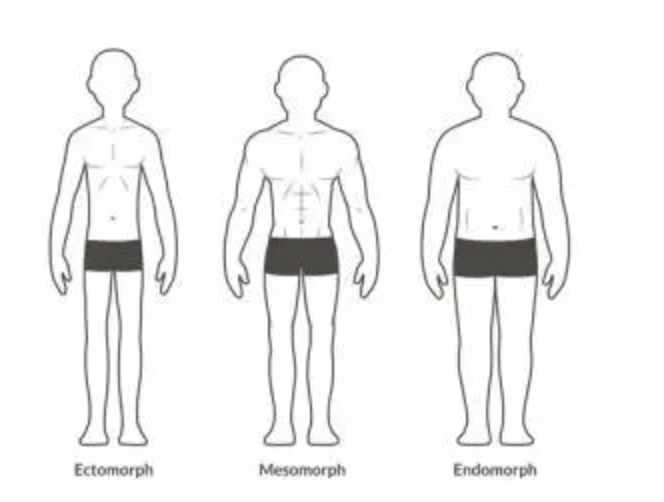
The best workout for your body is a plan matched to your goals, current ability, and recovery, not just a body-type label. Terms such as ectomorph, endomorph, and mesomorph describe broad physical characteristics. They do not tell you exactly how many repetitions to perform, how much carbohydrate to eat, or which exercises you can learn.
If a body-type chart has left you wondering which rules apply, start with information you can actually use in a training plan.
What the three labels leave out
A lean person may be a beginner or an experienced lifter. A heavier person may be strong, detrained, highly active, or managing a health condition. Appearance alone does not establish training history, technique, available time, or how a person responds to a particular program.
The ACSM’s 2026 resistance-training update emphasizes individual goals, appropriate loading, and a plan people can maintain. Use that approach instead of treating a physique category as a fixed training prescription.
Replace body-type rules with better questions
| Old rule | Better starting question |
|---|---|
| Lean lifters must keep every set between six and eight repetitions. | What is the exercise, goal, and suitable working load? |
| Rounder lifters must keep carbohydrates below a fixed daily limit. | What overall eating pattern and portions fit the person’s needs? |
| Naturally muscular lifters need very high protein automatically. | What is a practical individual nutrition target? |
| A body type determines how much cardio is allowed. | What activity level fits current ability and the whole weekly plan? |
Choose a goal before choosing the routine
Decide whether your immediate priority is learning the exercises, improving strength, building muscle, or making training consistent. Those goals can overlap, but a clear priority makes your next decision easier.
Write down your starting performance and one target using the weightlifting goal worksheet. Avoid comparing your first month of training with someone else’s appearance.
Fit the exercises to your circumstances
Choose movements and equipment you can use with control. Limb lengths, comfort, mobility, and equipment settings can affect how an exercise feels. A coach can help adjust setup or select an alternative; a three-category chart cannot make those decisions for you.
Machines, free weights, bands, and bodyweight exercises can all have a place. You do not need to select one because you look like a particular body type. If you are starting from scratch, use the beginner strength-training guide to organize the basics.
Track response, then adjust
- Record exercises, resistance, repetitions, and relevant setup notes.
- Review whether you can keep the planned schedule.
- Note persistent fatigue or movements that cause pain.
- Make one manageable change rather than replacing the entire program after one difficult session.
The progression example shows how performance can guide a change in repetitions or resistance. A repeatable workout log is more useful than assuming your body type guarantees fast gains or makes progress impossible.
Keep nutrition individual
A body-type label does not justify an automatic carbohydrate cap or a very high protein target. Consider total intake, food preferences, training, and any health-related dietary needs. Judge a plan by whether it is appropriate and sustainable, not by how extreme it sounds.
For organized meals and beginner workouts, review what is included in the 31-Day Reboot.