

Men’s Mental Health: Breaking the Silence and Building Strength
Men’s mental health matters more than ever. June is Men’s Mental Health Awareness Month, a time to shine a light on a subject that too often stays in the shadows. I’m not a medical doctor, and I don’t pretend to be one. But I do know what it feels like to lose people you care about to something that rarely gets talked about. I’ve lost two close friends to depression. Strong guys. The kind of men you’d never guess were struggling. That shook me, and it’s a big reason I’m writing this.
If you’re a man over 40, chances are you’ve been taught to tough things out, to push through pain, to never ask for help. I know I was. But the truth is that kind of thinking is part of the problem.
In this post, I’ll break down the stigma around men’s mental health, explore the most common struggles guys face after 40, and share practical ways to build emotional strength. Whether you’re quietly battling something yourself, or you care about a man who might be, you’re in the right place.
Let’s talk about it, because silence can be deadly.
The Stigma of “Be A Man”
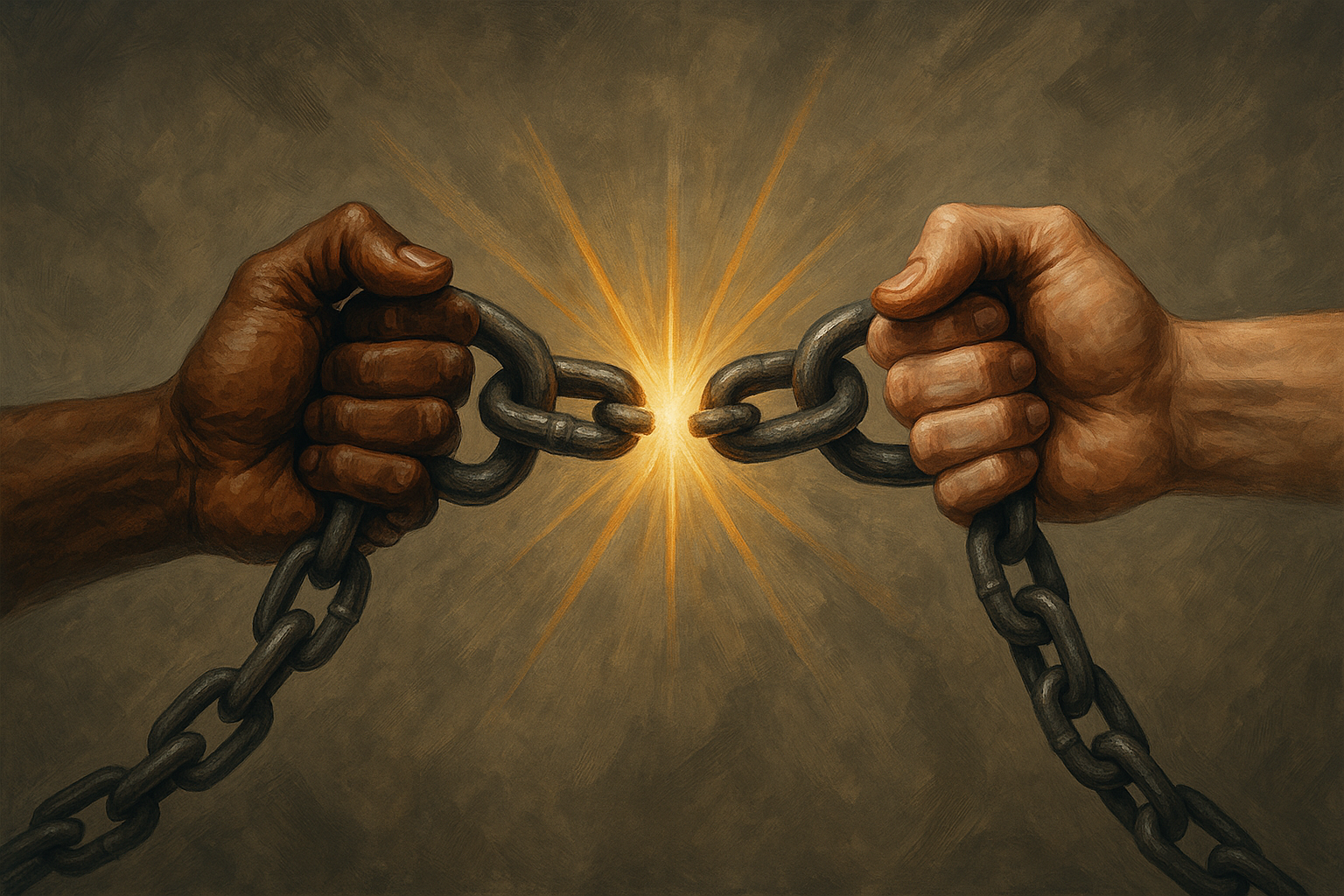
From the time we’re boys, we’re told not to cry, not to complain, and to “man up.” I grew up hearing it too. And for a while, I believed it. But bottling things up doesn’t make you strong. It makes you silent. And silence is dangerous.
This deeply ingrained cultural conditioning, often reinforced by media, family, and peer groups, teaches men that emotional expression is a sign of weakness. We learn that vulnerability is something to be avoided at all costs, that asking for help is a failure, not a solution. This stoic ideal, while perhaps originating from a place of intending to foster resilience, has instead created a dangerous trap for millions of men. It leads to isolation and prevents access to the very support systems that could provide healing and growth.
According to the CDC, men die by suicide nearly four times more often than women. I have to admit, this isn’t a statistic I really ever think about but I wasn’t really all that surprised by it. Another statistic I found that didn’t shock me? Men are far less likely to seek therapy, talk about their struggles, or even admit when something feels off.
This reluctance often stems from the fear of being seen as “less than” or not traditionally masculine. The consequence is that men often suffer in silence, allowing their mental health challenges to escalate unchecked. It’s a tragic irony that the very qualities society sometimes pushes onto men, rugged independence and self-reliance, can become barriers to their well-being.
That’s not strength. That’s conditioning. Bad conditioning. We need to challenge this outdated narrative and redefine what true strength looks like. True strength isn’t about suppressing feelings; it’s about acknowledging them and taking action to address them.
The good news is everyday we are given the opportunity to start over. Our story is not written, we are writing it daily. It’s time we rewrite this story. Vulnerability is not weakness. In fact, being real about your mental health is one of the most powerful things you can do. It’s an act of courage to confront internal struggles rather than letting them fester. When you open up, you not only create space for your own healing but also set an example for others, chipping away at the very stigma that holds so many men back.
Let me be clear: rewriting this script doesn’t mean abandoning the parts of masculinity that serve us. Discipline, courage, resilience, those are assets. But when we define manhood only by suppression, silence, and stoicism, we lose out on the full spectrum of what it means to be human. We sacrifice emotional depth, genuine connection, and the ability to navigate life’s challenges with a full toolkit of coping mechanisms. Embracing emotional intelligence doesn’t diminish your masculinity; it enhances it. It allows for a richer, more authentic life.
Imagine the strength it takes to walk into a room and say, “I need help.” That takes guts. That takes real backbone. And yet, it gets framed as weakness. We have to challenge that false narrative, not just for ourselves, but for the next generation of men watching how we live. Our sons, nephews, and younger brothers are observing us. If they see us perpetually “manning up” and avoiding our emotions, they will likely internalize those same harmful lessons. We have a responsibility to model a healthier, more balanced form of masculinity, one that includes emotional honesty and the willingness to seek support when needed. This shift can literally change lives and break cycles of silent suffering.
Common Mental Health Challenges for Men Over 40
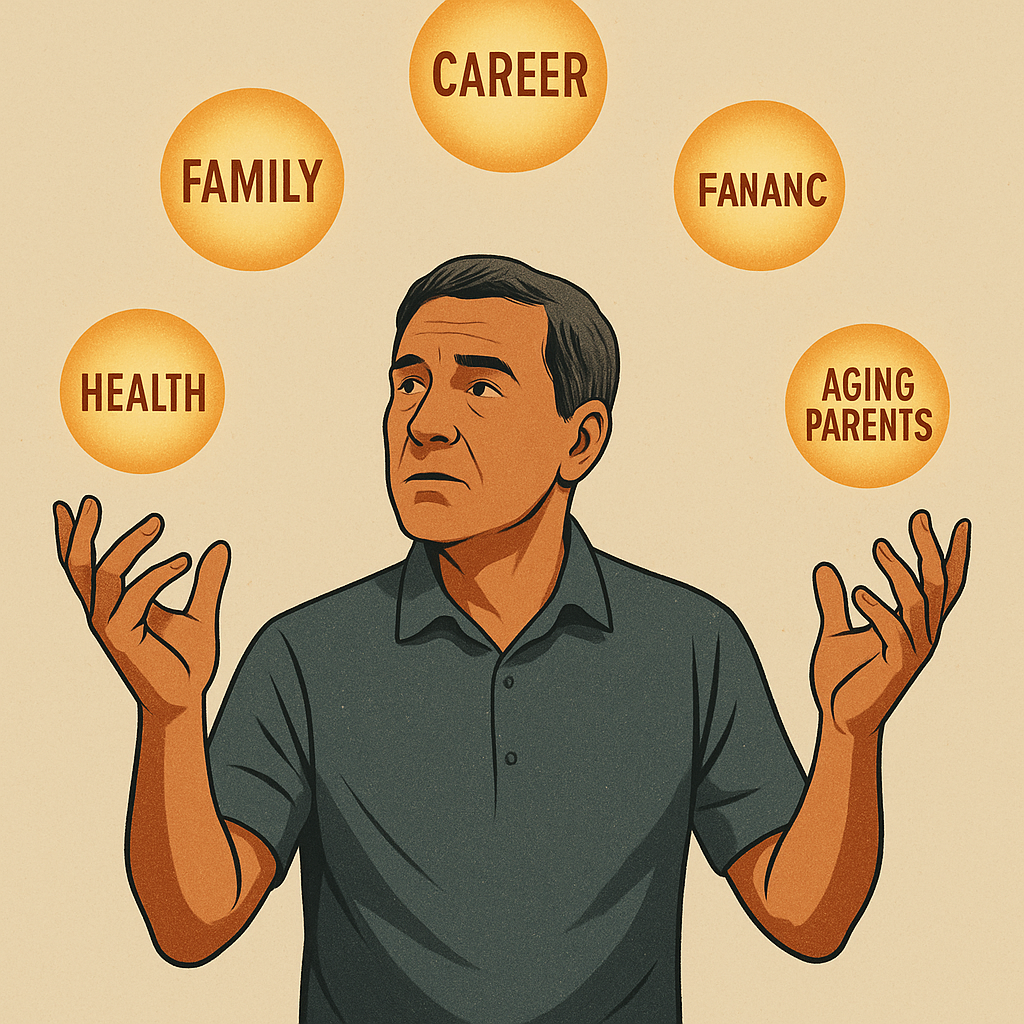 Life doesn’t seem to get easier after 40. For many of us, it gets more complicated. Aging parents. Career stress. Divorce. Loneliness. Health issues. Paying for kids college. The weight can pile up fast. These stressors often compound, leading to a feeling of being overwhelmed and a gradual erosion of mental well-being. The responsibilities of midlife can be immense, and without healthy outlets or coping strategies, the pressure can become unbearable.Here’s what that pressure often turns into:
Depression
You may not feel “sad” in the traditional sense. Instead, you might feel:
-
Irritable
-
Numb
-
Tired all the time
-
Disconnected from things you used to love
Men often experience depression differently than women, presenting with symptoms like anger, aggression, substance abuse, and risk-taking behavior, rather than overt sadness. This “hidden depression” makes it even harder to recognize and address. According to the National Institute of Mental Health, over 6 million men in the U.S. struggle with depression each year, but most never get treated. The long-term impact of untreated depression can be devastating, affecting relationships, work performance, and overall quality of life. It can feel like a constant fog, making even simple tasks feel monumental.
Anxiety
You worry constantly. You can’t sleep. You feel keyed-up all the time. You call it “stress,” but really, it might be chronic anxiety. Left unchecked, it eats away at your peace of mind and your physical health. Anxiety in men can manifest as restlessness, difficulty concentrating, muscle tension, or even gastrointestinal issues. It’s not just a feeling; it’s a physiological response that, when prolonged, can lead to serious health complications like high blood pressure and heart disease. Many men internalize their anxiety, fearing that admitting to worry will be seen as a sign of weakness.
Substance Abuse
Many guys self-medicate. I’ve seen it firsthand. Alcohol, weed, pills, whatever takes the edge off. But it doesn’t help long term. It usually makes things worse. Men are nearly twice as likely to develop substance use disorders than women. I actually thought this number would be higher. This reliance on substances is a coping mechanism, an attempt to dull the pain or escape overwhelming emotions. However, it only creates a new set of problems, often exacerbating the underlying mental health issues and leading to a vicious cycle of dependency. What might start as a way to unwind can quickly spiral into an addiction that destroys lives and relationships.
PTSD
Some men carry trauma from the military, childhood, or past relationships. It shows up as anger, emotional numbness, nightmares, or explosive reactions. If this sounds like you, it’s not your fault. And you’re not alone. Post-Traumatic Stress Disorder can significantly impact a man’s ability to function day-to-day, affecting sleep, concentration, and interpersonal relationships. The symptoms can be subtle or overt, often leading to misunderstandings from loved ones who don’t grasp the depth of the internal struggle. Seeking professional help for trauma is crucial for healing and reclaiming control over one’s life.
“Midlife Crisis”
We also need to acknowledge a more hidden challenge: a deep sense of purposelessness. A lot of guys over 40 have climbed the mountain they were told would bring happiness – career, family, house – and they still feel empty. That gap between what we were promised and what we feel can open the door to despair. This existential crisis, often referred to as a “midlife crisis,” isn’t just about buying a sports car; it’s a profound questioning of one’s purpose and value. The relentless pursuit of external markers of success often leaves an internal void if not balanced with self-reflection, meaningful connections, and a sense of personal fulfillment beyond material achievements. That’s why addressing mental health isn’t just about treating disorders; it’s about rediscovering meaning. It’s about reconnecting with what truly matters and building a life that resonates with your authentic self.
Men’s Mental Health and the Role of Support Systems
You Don’t Have to Go It Alone
 No man is an island. Friends, family, coworkers, and even strangers can play a role in creating a men’s mental health support network. Encouragement and empathy from loved ones can make it easier for men to speak up. Building a strong network of trusted individuals who you can confide in is a cornerstone of mental well-being. It provides a vital buffer against isolation and offers different perspectives and resources when you feel stuck.
How Loved Ones Can Help
Tips for starting the conversation:
-
Choose a private, low-stress moment.
-
Ask open-ended questions like, “How have you been feeling lately?”
-
Avoid judging or offering solutions too quickly.
-
Just listen. Sometimes that’s enough.
And if you’re a man reading this, understand that letting people in isn’t weakness, it’s strategy. Even warriors need backup. You don’t have to carry it all alone. Leaning on your support system allows you to offload some of the burden and gain new perspectives. It’s an act of self-care and a testament to your trust in those around you.
At Work and in the Community
Workplaces are beginning to recognize the importance of mental health awareness. Programs that offer counseling, time off for mental wellness, and mental health training can be a lifeline.
Community Ideas:
-
Join or start men’s mental health meetups. These groups provide a safe space for shared experiences and mutual support.
-
Attend town hall discussions on mental wellness.
-
Support initiatives like barbershop talks or fitness groups that foster open discussion
- Consider volunteering for organizations that support mental health. Giving back can provide a sense of purpose and connection.
- When was the last time you checked in on a male friend or coworker? A simple text or call can make a profound difference. Better yet, when was the last time you allowed someone to check in on you? Accepting help is just as important as offering it.
Men’s Mental Health – Building Strength and Resilience
What is Mental Resilience?
Mental resilience means the ability to cope with life’s stressors and bounce back from adversity. It’s not about never feeling down, it’s about not staying down.
Everyday Strategies for Mental Health
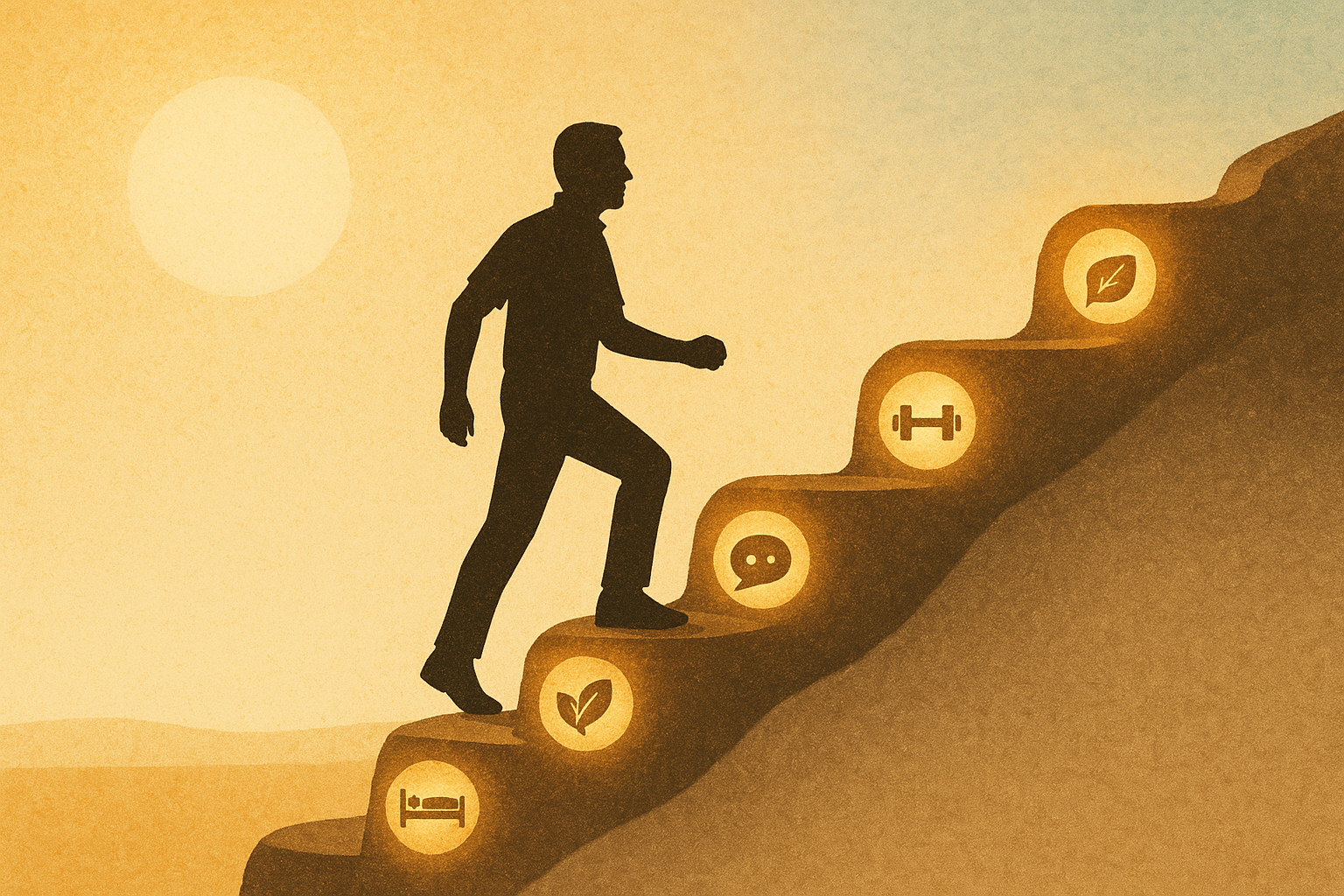 Here are simple, science-backed actions that can improve mental health for men:
1. Start Your Day Off Right
-
Wake up with a prayer of thankfulness for another day
-
Music is a mood changer – listen to a song that moves you first thing
- Have a set morning routine – write out or have written out the night before you goals for the day. These should be both work and personal related
2. Exercise regularly
-
Boosts mood and reduces anxiety
-
Start with 20 minutes of walking or lifting weights 3x a week. Too easy? Go to 5 days.
- Push your body, it’s in our DNA to push ourselves far beyond what we think we are capable
2. Practice mindfulness or meditation
-
Apps like Headspace and Calm make this easy
-
Helps regulate thoughts and emotions
3. Journal your thoughts
-
Reduces rumination
-
Enhances self-awareness
- Set aside 15 minutes in the morning or night
-
Aim for 7–9 hours of quality rest
-
Shut off screen time at least 30 minutes before bed
- Make sure your room is dark or wear sleep shades
Professional Help
Therapy isn’t just for crises. Options include:
| Type of Therapy | Best For | Format |
|---|---|---|
| Cognitive Behavioral Therapy (CBT) | Anxiety, depression, negative thinking patterns | Short-term, structured |
| Talk Therapy | Processing emotions, grief, relationships | Open-ended, conversational |
| Group Therapy | Shared experiences, peer connection | Weekly group sessions |
How to Find a Therapist:
-
Use directories like Psychology Today
-
Ask your doctor or workplace for referrals
-
Try telehealth services for convenience
- Remember, there’s strength in seeking help, not weakness.
Men’s Mental Health Awareness Month: Taking Action
How You Can Make a Difference
Men’s Mental Health Awareness Month isn’t just about reflection, it’s a call to action. Organizations like Movember are leading the charge with education, events, and fundraising.
Ways to Get Involved
-
Share your story online or in person
-
Participate in awareness runs, walks, or events
-
Wear green or blue ribbons to show support
-
Donate to mental health nonprofits
Policy and Community Advocacy:
-
Support legislation that improves access to mental health care
-
Advocate for men-specific mental health programs in schools and communities
-
Encourage your local gym, workplace, or church to host mental wellness events
- What action will you take this month to support men’s mental health?
Conclusion
Men’s Mental Health Awareness Month is more than a campaign, it’s a movement to break barriers, save lives, and restore hope. From reducing stigma to offering support, each of us plays a role in transforming the narrative around mental health for men.
So whether you’re struggling yourself, or you care about someone who is, remember this:
You’re not alone.
Help is available.
Healing is possible.
Take the first step, talk, listen, and share. You might be the light someone needs in their darkest moment.
Sources:
- Valley Hope Organization
- NIH – the effects of depression on men’s mental health
- Men’s mental health issues caused by anxiety
- PTSD Treatment – options and top treatment locations
FAQs: Men’s Mental Health
1. Why is men’s mental health stigmatized?
Society often values male strength and stoicism, discouraging emotional openness. This cultural norm makes men less likely to seek help.
2. What are signs that a man might be struggling with mental health?
Look for mood swings, irritability, substance abuse, social withdrawal, or sudden changes in sleep or appetite.
3. How can I support a male friend or family member?
Start with open, judgment-free conversations. Offer consistent support and encourage professional help.
4. Are there specific mental health therapies for men?
While most therapies can benefit men, approaches like CBT and group therapy with other men are often effective.
5. What resources are available for men’s mental health?
Try resources like Movember.com, MentalHealthAmerica.net, or the National Alliance on Mental Illness (NAMI.org).