Can You Build Muscle and Lose Weight at the Same Time?
 Most people think you must choose between gaining muscle or losing fat, but that’s not entirely true. If you’re wondering, “Can you build muscle and lose weight at the same time?” the answer is yes, especially if you follow an innovative approach rooted in science, not fitness myths.
In this guide, you’ll learn how to achieve body recomposition, the strategies that actually work, and the common pitfalls to avoid.
What Is Body Recomposition?
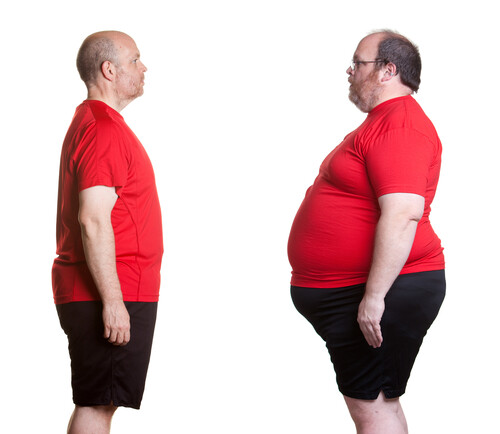
Body recomposition is the process of building lean muscle while losing fat. Resistance training is the most effective way to build muscle and lose weight, especially for men over 35.. Instead of focusing solely on the scale, you work to change your body’s muscle-to-fat ratio.
This is a game-changer for people over 35, especially men who want to look stronger, feel better, and improve longevity without committing to extreme bulking or cutting cycles. Body recomposition is the ultimate strategy for those who want to build muscle and lose weight without extreme dieting.
How the Body Builds Muscle and Burns Fat Simultaneously
To answer the question, “Can you build muscle and lose weight simultaneously?” it’s important to understand how muscle building and fat burning work together, or against each other.
Muscle building (anabolism):
Requires a calorie surplus, protein intake, and resistance training.
Fat loss (catabolism):
Requires a calorie deficit, increased energy expenditure, and hormonal balance.
However, body recomposition doesn’t demand a massive calorie surplus or deficit, it needs the right balance of training, nutrition, and recovery to build muscle and lose weight.
Who Can Build Muscle and Lose Weight at the Same Time?
You’re more likely to succeed with body recomposition if:
You’re new to strength training or coming back after a long break. If you have never or have been on a long break from weight lifting, more than likely you are not at peak muscle mass and have some extra water weight and/or a higher body fat percentage.
You’re over 35, have a plan to train smarter, not just harder, and are eating enough protein and following a progressive resistance training plan. With the right approach, men over 35 often experience rapid changes in body composition, even if it was difficult to build muscle and lose weight in the past.
Best Workouts to Build Muscle and Lose Weight at the Same Time
The following workout plan is designed for 4-5 gym sessions per week. It uses push/pull/legs split or full-body workouts to hit each muscle group twice weekly, which is optimal for hypertrophy. Each session includes compound lifts, moderate rep ranges (8-12 for hypertrophy), and cardio or accessory work to enhance fat loss. This is a good start to your builsd muscle lose fat journey.
Workout Split Options
- Push/Pull/Legs (PPL): 4-6 days per week (e.g., Push, Pull, Legs, Rest or repeat). Ideal for intermediate lifters.
- Full-Body: 3-4 days per week. Great for beginners or those with limited time.
- Upper/Lower Split: 4 weekly days (2 upper, two lower). Balanced for all levels.
Below is a sample 4-day Push/Pull/Legs + Full-Body plan, adaptable to your schedule. Perform each workout with 3-4 sets of 8-12 reps unless specified, resting 60-90 seconds between sets for compound lifts and 30-60 seconds for isolation exercises. Aim to increase weights by 2.5-5% weekly if reps become easy.
Day 1: Push (Chest, Shoulders, Triceps)
- Barbell Bench Press: 4 sets of 8 reps using a tempo of 4-0-1-0
- Overhead Dumbbell Press:3 sets of 12 reps using a tempo of 3-0-1-0
- Incline Dumbbell Press: 3 sets of 5 reps using a tempo of 5-0-5-0
- Cable Tricep Pushdowns: 3 sets of 12 reps using a tempo 3-0-3-0
- Lateral Raises: 3 sets of 15 reps
- Cardio Finisher: 10 minutes of treadmill intervals (10s sprint, 30s walk, 20s jog).
Focus: Emphasize pressing movements to build upper body pushing strength while burning calories with high-intensity intervals.
Day 2: Pull (Back, Biceps, Rear Delts)
- Deadlifts: 4 sets of 8 reps tempo 4-0-1-0
- Pull-Ups or Lat Pulldown: 3 sets of 12-8 reps temp 4-0-1-0
- Bent-Over Barbell Rows: 3 sets of 10 reps tempo 3-1-1-1
- Dumbbell Bicep Curls: 3 sets of 12 reps tempo 2-1-2-1
- Face Pulls: 3 sets of 12 reps tempo 4-0-1-0
- Cardio Finisher: 15 minutes of rowing machine (30s sprint, 30s slow).
Focus: Target pulling muscles to improve posture and back strength, with deadlifts boosting overall calorie burn.
Day 3: Legs (Quads, Hamstrings, Glutes, Calves)
- Barbell Back Squats: 4 sets of 10 reps 4-0-1-0
- Romanian Deadlifts: 3 sets of 12 reps 4-0-1-0
- Bulgarian Split Squats: 3 sets of 10 reps per leg 3-0-1-0
- Leg Press: 3 sets of 12 reps 4-0-4-0
- Seated Calf Raises: 3 sets of 15-20 reps
- Cardio Finisher: 12 minutes of bike intervals (40s fast, 20s standing slow).
Focus: Build lower body strength and muscle mass, which increases metabolic rate due to large muscle groups.
Day 4: Full-Body + Core
- Dumbbell Thrusters: 4 sets of 10-12 reps
- Incline Push-Ups (or Barbell Bench Press): 3 sets of 10 reps
- Single-Arm Dumbbell Rows: 3 sets of 12 reps per side 4-0-1-0
- Goblet Squats: 3 sets of 12 reps 3-0-3-0
- Plank with Shoulder Taps: 3 sets of 30-45 seconds
- Hanging Leg Raises: 3 sets of 15 reps
- Cardio Finisher: 15-minute Tabata (20s work, 10s rest; e.g., burpees, mountain climbers).
Focus: Hit all major muscle groups with functional movements and core work to enhance stability and burn fat.
Change Up Workout Routines To Lose Weight and Gain muscle
Nutrition: The Key to Recomposition Success
You don’t need a massive bulk or harsh diet. Instead, focus on nutritional strategies supporting muscle growth and fat loss.
What to Eat to Build Muscle and Lose Weight at the Same Time
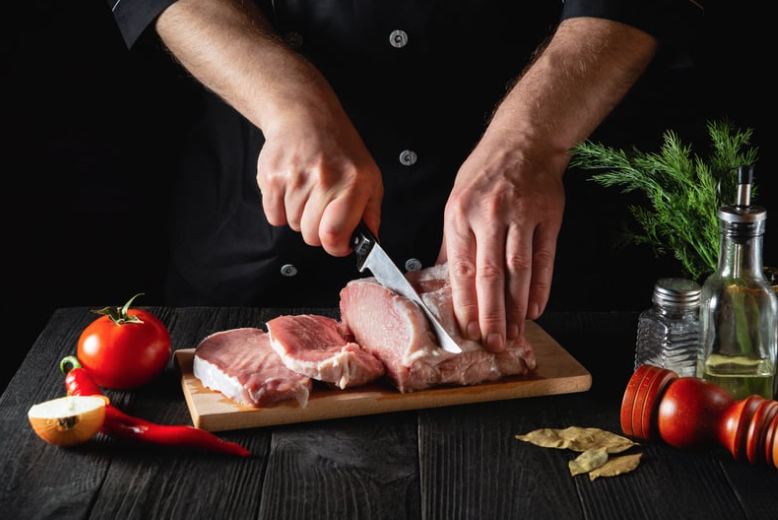
Prioritize Protein: Aim for 0.8 to 1.2 grams of protein per pound of body weight daily. Protein preserves muscle in a calorie deficit and supports muscle growth. Stick to the old school basics, lean meat, chicken, fish, pork, Eggs, Whey protein, Greek Yogurt.
Eat at a Small Caloric Deficit (or Maintenance)
For recomposition, slight calorie deficits (500 below maintenance) work best, especially when paired with lifting. Use most of your carbs pre- and post-workout for energy and recovery. Again, we’re not reinventing the wheel here, stick with old school basics like Oats, Fruit, Sweet Potatoes, Brown Rice, Quinoa, whole grain pasta etc..
Carbs are tricky. I have spent most of my life trying to keep my cabs in check but I do not keep them as low as I could. I like a beer (or two) ice cream, protein bars for a quick snack (sometimes I use Atkins but not always) Carbs are not your enemy, but they need to be kept in check at least 4 days a week. Here are some tips to help-
- Timing: Consume most carbs around workouts (pre- or post-workout) to fuel performance and recovery. On rest days, reduce carb intake slightly and focus on protein and fats.
- Portion Control: Stick to 1/4-1/2 plate of carbs per meal to stay in a slight calorie deficit (5-10% below maintenance). Use a macro tracker to adjust based on your weight and activity level.
- Carb Cycling: On training days, eat more carbs (e.g., 2-3g per kg body weight); on rest days, lower to 1-1.5g per lb to prioritize fat loss.
- Pair with Protein and Fats: Combine carbs with lean protein (e.g., chicken, tofu) and healthy fats (e.g., avocado, olive oil) to stabilize blood sugar and increase satiety.
- Avoid Refined Carbs: Limit white bread, sugary cereals (if you are over a man over 35, this should be a n0-brainer), and processed snacks, as they cause blood sugar spikes and provide little nutritional value.
Sample Carb-Inclusive Meal Plan (One Day)
- Breakfast: 1/2 cup oats with 1 scoop whey protein, 1/2 cup berries (40g carbs).
- Lunch: 1/2 cup quinoa, 150g grilled chicken, 1 cup broccoli, 1 tbsp olive oil (25g carbs).
- Pre-Workout Snack: 1 small banana, 10g almond butter (25g carbs).
- Post-Workout Dinner: 1 medium sweet potato, 150g salmon, 1 cup spinach (30g carbs).
- Total Carbs: ~120g (adjust based on body weight and goals).
Why These Carbs Work for Dieting
- High Fiber: Promotes fullness and regulates digestion, reducing hunger.
- Nutrient-Dense: Provides vitamins and minerals to support overall health.
- Sustained Energy: Slow-digesting carbs prevent energy crashes, aiding workout performance.
- Moderate Calories: Allows you to stay in a deficit while fueling muscle growth.
Common Mistakes to Avoid During Body Recomposition
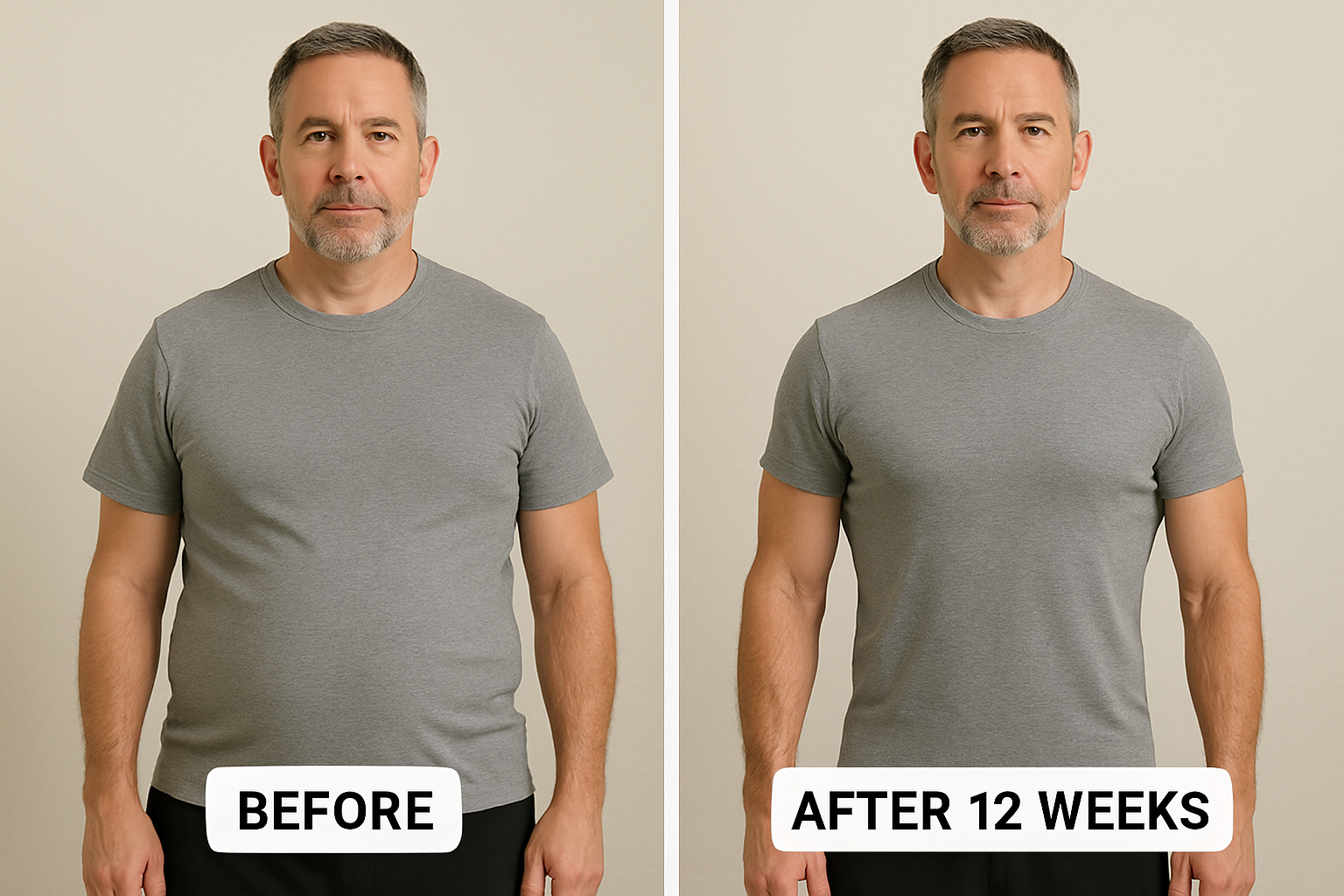
Sleep 7–8 hours per night, poor sleep wrecks hormones and recovery. Manage stress, chronic cortisol can lead to fat gain, especially in the belly. Hydrate, muscle cells need water to function optimally, Track progress weekly, use photos, tape measurements, and strength increases, not just the scale. Take a photo of yourself when you first start the program, one two weeks later, another two weeks later. If you are seeing progress, GREAT JOB! keep going. If not, read this article again and start over. Be honest with yourself, have you been putting for the effort?
Final Thoughts To Build Muscle and Lose Weight at the Same Time
Building muscle and losing fat takes time and consistency. Most people see noticeable changes in 6 to 12 weeks, with dramatic results in 6 months. If you stay consistent, especially with resistance training and smart nutrition, body recomposition can become a lifestyle, not just a temporary phase.
Ready to get serious about your body recomposition goals?
Check out the Got2ManUp Blueprint, a no-BS training and eating system designed for men over 35 who want real results, not gimmicks. 30-day money back guarantee.

Sources
- The review Body Recomposition: Can Trained Individuals Build Muscle and Lose weight at the Same Time? (Barakat et al., 2020) – this shows that even resistance‑trained individuals (not just beginners) have demonstrated simultaneous fat loss and muscle gain under the right training + nutrition protocols. Lippincott Journals+2Neex Expo+2
- New insights and advances in body recomposition (2024) – defines body recomposition as “reducing body fat while maintaining or increasing lean mass,” summarizing decades of research on the subject. PMC
- Cleveland Clinic article: “What To Know About Body Recomposition” — explains why body recomposition is becoming more accepted and describes the core elements: strength training, nutrition, and cardio. Cleveland Clinic
- Healthline article “How to Lose Fat and Gain Muscle for Body Recomposition” – outlines practical recommendations: strength training at least twice per week + good protein intake + proper nutrition for recomp outcomes. healthline.com
- MacroFactor article on recomposition – gives a realistic framing: recomping works particularly well for beginners, those returning after a break, or folks with moderate/high body fat. MacroFactor
- Stronger By Science article “Is body recomposition possible?” (Nov 2025) – discusses hundreds of resistance-training studies where participants saw increased muscle size + reduced fat mass under maintenance or moderate-calorie conditions. Stronger by Science
FAQs
1. Can you really build muscle and lose Weight at the same time?
Yes, this is called body recomposition. With a proper strength training program, high-protein nutrition, and a slight calorie deficit or maintenance level intake, your body can lose fat while simultaneously building lean muscle mass.
2. How long does it take to see results?
Most people see noticeable changes in 6 to 12 weeks if they train consistently, eat enough protein, and get quality sleep. Full body transformations can take 4 to 6 months, especially for men over 40.
3. Do I need to eat in a calorie surplus to build muscle?
Not necessarily. If you’re new to lifting, overweight, or returning after a break, you can build muscle while in a slight calorie deficit. That’s the essence of body recomposition. Eating at maintenance with high protein also works well.
4. What kind of workouts help with building muscle and losing weight?
Focus on compound strength training exercises (like squats, deadlifts, and push-ups), done 3–5 times per week. Pair this with daily walking or light cardio for fat burning and recovery.
5. How much protein do I need each day?
For body recomposition, aim for 0.8 to 1.2 grams of protein per pound of body weight per day. This helps preserve muscle during fat loss and supports new muscle growth.
6. Can men over 40 still get lean and muscular?
Absolutely. With smart programming, proper recovery, and hormone-friendly nutrition, men in their 40s, 50s, and even 60s can build lean muscle and lose stubborn fat. In fact, many men see better results once they focus on long-term consistency over extreme diets.