
The 4 Cs of Mental Toughness for Men Over 40

The 4 Cs of Mental Toughness for Men Over 40
There are four essential components to mental toughness, often called the 4 Cs:
- Confidence – Faith in your abilities and believe you can succeed with God’s help.
- Challenge – Facing and overcoming difficulties rather than avoiding them.
- Control: Take proactive steps to influence your situation instead of reacting and letting life dictate your direction.
- Commitment – Making and keeping promises to yourself, your family, and your goals.
By mastering these four traits to help build mental toughness for men over 40, you can rebuild your health, improve your fitness, and create a lifestyle that sets you up for success. Let’s break them down one by one.
1. Confidence: Faith in Yourself and God
Confidence is the foundation of mental toughness. Without confidence, it’s easy to fall into self-doubt, procrastination, and fear of failure. But true confidence isn’t just believing in yourself, it’s believing in God’s plan for you.
The Power of Faith and Prayer
For many men over 40, faith plays a crucial role in rebuilding confidence. Believing in God means trusting that you were created with purpose and potential. Prayer can strengthen your mindset, clarify your thoughts, and remind you that you are not alone in your struggles. When you pray, you acknowledge that challenges are temporary and that, with faith, you can overcome them.
Applying Confidence to Fitness

Confidence is the first step when it comes to getting back in shape. You won’t take action if you don’t believe you can improve. Here’s how to build confidence in your fitness journey:
- Start small: If you haven’t been to the gym in years, don’t expect to lift heavy weights on day one. Set realistic goals.
- Track progress: Track your workouts, weight, and strength gains. Seeing improvement fuels belief in yourself.
- Surround yourself with support: Join a group or have a workout partner to reinforce your motivation.
Confidence in God and your ability to change will help you overcome self-imposed limits and become a healthier, more potent version of yourself.
2. Challenge: Facing and Overcoming Difficulties
Many men over 40 fall into a comfort zone. They’ve achieved certain career milestones, have a routine, and avoid anything that disrupts their sense of stability. But growth doesn’t happen in comfort, it happens when you embrace challenges.
Why Challenges Matter
Challenges force you to improve. Whether it’s dealing with setbacks at work, issues in your personal life, or the struggle to get back in shape, difficulties are an opportunity for growth. The key is not to avoid them but to face them head-on.
Overcoming Fitness Challenges
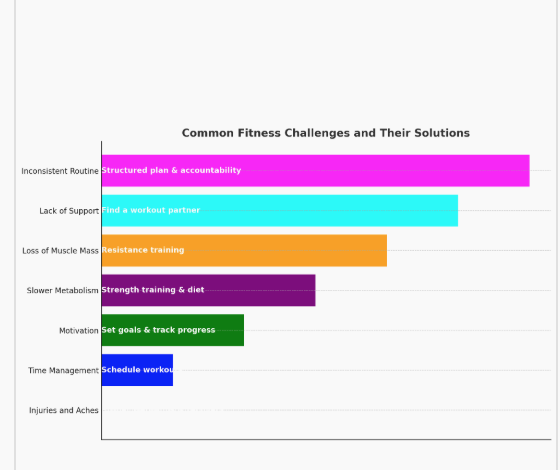
Getting back in shape after 40 comes with hurdles:
- Injuries and aches – Your body doesn’t recover like it used to, but that doesn’t mean you should quit.
- Time management – Juggling fitness with work and family is tough, but prioritization is key.
- Motivation – Some days, you won’t feel like working out. That’s when discipline needs to take over.
Embrace the struggle. Push through the soreness. Get to the gym even when you don’t feel like it. Every challenge you overcome strengthens your resolve.
3. Control: Taking Charge of Your Life
One of the most prominent mistakes men over 40 make is adopting a reactive lifestyle. Instead of shaping their future, they let life happen to them. Actual mental toughness comes from controlling and influencing one’s situation rather than allowing external circumstances to dictate one’s path.
How to Take Control
- Prioritize health – Stop making excuses. If you don’t make time for fitness, illness will eventually force you to. To be blunt, right now, someone is lying in a hospital bed. They will never see another sunrise/sunset, smell the rain, or eat a delicious meal, wishing they had made the time to take care of their greatest asset – their body. But it’s too late.
- Schedule workouts – Put your gym sessions on your calendar like any other important meeting.
- Control your environment – Keep healthy food in your home. Remove distractions that keep you from achieving your goals.
- Set clear goals – Want to lose weight? Gain muscle? Run a mile without stopping? Set a goal and take control of your progress.
Controlling Your Fitness Journey
Don’t let age or circumstances hold you back. Take proactive steps:
- Lift weights to build muscle and prevent aging-related weakness.
- Do cardio to keep your heart healthy and improve endurance.
- Track your progress so you can make informed adjustments.
You’re not powerless—you’re in control. Take charge of your body and your future.
4. Commitment: Keeping Your Promises

The final pillar of mental toughness is commitment—keeping promises to yourself, your family, and your goals. Too many men say they want to change but never follow through. Commitment means staying the course, even when things get tough.
The Importance of Keeping Promises
- To Yourself – If you say you’ll get in shape, do it. Your self-respect depends on it.
- To Your Family – Your health isn’t just about you. Being fit means you’ll be around longer for your spouse and kids.
- To Your Goals – Success requires consistency. Stop quitting when things get tough. Remember the big picture.
Why Every Man Should Join a Gym Today
Using Commitment to Improve Fitness
- Set a minimum standard (e.g., working out 3 times per week, walking 10,000 steps a day).
- Find an accountability partner who checks in on your progress. It doesn’t have to be someone who works out with you. Join our Facebook group and find someone starting their journey at the same time; help keep each other accountable.
- Remind yourself why you started whenever you feel like quitting.
Committing to fitness builds mental toughness that carries over to every other aspect of life.
The Role of Sports and Community in Mental Toughness

One of the best ways to build mental toughness for men over 40, and push your limits is by getting involved in sports. Playing a sport isn’t just about competition, it’s about being part of a group that values discipline, improvement, and resilience. It’s also a lot of fun.
Benefits of Playing Sports After 40
- Social Connection – Being around like-minded men keeps you motivated.
- Increased Physical Activity – Sports provide a fun way to stay fit.
- Mental Toughness – Competing challenges you to stay focused and disciplined.
- Stress Relief – Physical exertion helps clear your mind and reduce anxiety.
If you’re unsure where to start, try tennis, pickleball, padel, flag football, basketball, soccer, or recreational league sports. These activities keep you active while allowing you to interact with men who are also striving for greatness. Forget about how good you used to be; live in the now.
Final Thoughts: Becoming a Man of Strength and Resilience
Mental toughness is the key to thriving after 40. By focusing on Confidence, Challenge, Control, and Commitment, you can reshape your life, improve your health, and become the man you were meant to be.
Believe in yourself. Believe in God. Take control of your life. Overcome your challenges. Stay committed to your goals. Surround yourself with men who push you to be better.
You’re not past your prime, you’re just getting started.
Now, it’s time to man up and take action. Get in the gym. Start playing sports. Make your health a priority. The only way to live a strong, fulfilling life is by building the mental toughness to handle whatever comes your way.
Sources
Books on Mental Toughness: Can’t Hurt Me by David Goggins, The Resilience Factor by Karen Reivich & Andrew Shatté
Fitness & Health Resources: National Strength and Conditioning Association (NSCA), Harvard Health Publishing
Faith & Confidence Building: Bible verses on perseverance (e.g., Philippians 4:13), faith-based motivation books
Frequently Asked Questions
Q1: What does mental toughness really mean for men over 40?
Mental toughness is the ability to stay focused, resilient, and steady when life gets challenging. It is knowing how to control your thoughts, push through discomfort, and stay committed to the goals that matter. After 40, mental toughness becomes one of the most important skills a man can build because it directly impacts your health, relationships, and confidence.
Q2: Can I build mental toughness even if I have struggled with motivation for years?
Yes. Mental toughness is a skill, not a personality trait. You build it through daily habits like keeping promises to yourself, training your body, facing challenges instead of avoiding them, and refusing to let setbacks define you. Consistency creates strength, no matter your age.
Q3: What is the fastest way to start improving my mental toughness?
Start with one challenge you commit to every day. It might be a morning workout, cold showers, journaling, or saying no to habits that hold you back. The key is showing yourself that you can follow through. Small wins compound and create real toughness.
Q4: Does physical fitness play a role in mental toughness?
Absolutely. Training your body trains your mind. When you push through a hard workout, you teach your brain that you can handle discomfort. Men over 40 often see major improvements in confidence and discipline once they build a consistent fitness routine.
Q5: Is mental toughness about ignoring emotions or pretending everything is fine?
No. Real mental toughness is not about shutting down your feelings. It is about understanding them, managing them, and choosing productive action instead of letting fear or frustration take over. Strength is built through honesty and discipline, not denial.