
Progressive Overload For Long-Term Gains
If you’re serious about getting back in shape after 40, and staying strong for life, there’s one principle you must understand: progressive overload for long-term gains in strength, muscle, endurance, and confidence. Ignore it, and you’ll spin your wheels. Embrace it, and you’ll transform your body for the long haul.
Understanding the importance of progressive overload for long-term gains will help you achieve the results you desire.
Understanding progressive overload for long-term gains is essential for anyone looking to improve their fitness journey.
In this post, we’ll explain progressive overload, why it matters (especially as you age), and how to apply it safely and effectively in your workouts, even if you’re getting back into the gym after years away.
What Is Progressive Overload?
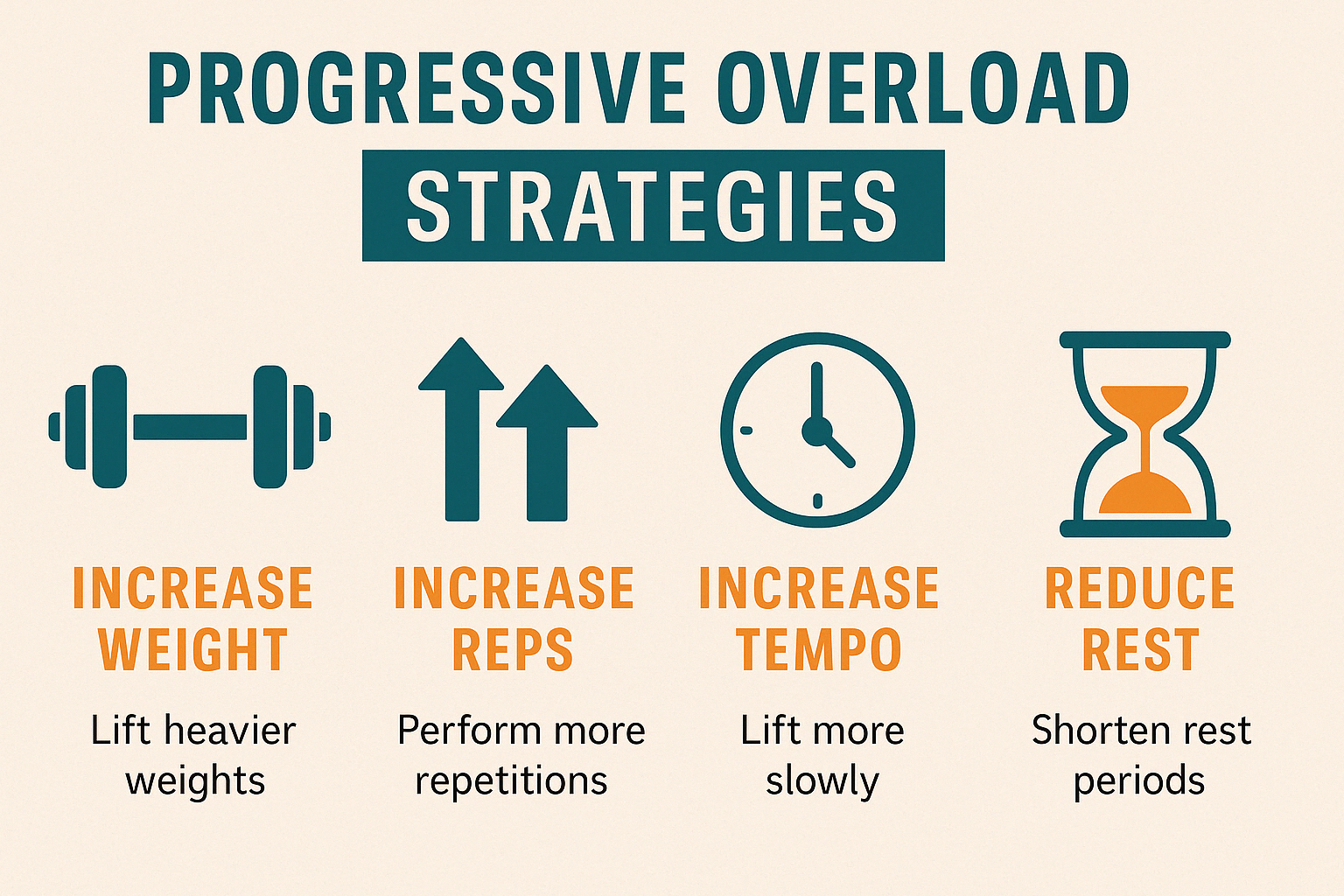
P rogressive overload is the gradual increase of stress on your body during exercise. That could mean:
Lifting heavier weights
Doing more reps
Increasing sets
Reducing rest time
Improving form or tempo
In short, you’re making your body work a little more complicated over time.
Why does this matter?
Because your body is smart. It adapts fast. It has no reason to change if you don’t keep challenging it. You might maintain, but you won’t improve. And we’re here for improvement.
Why It’s Critical After 40
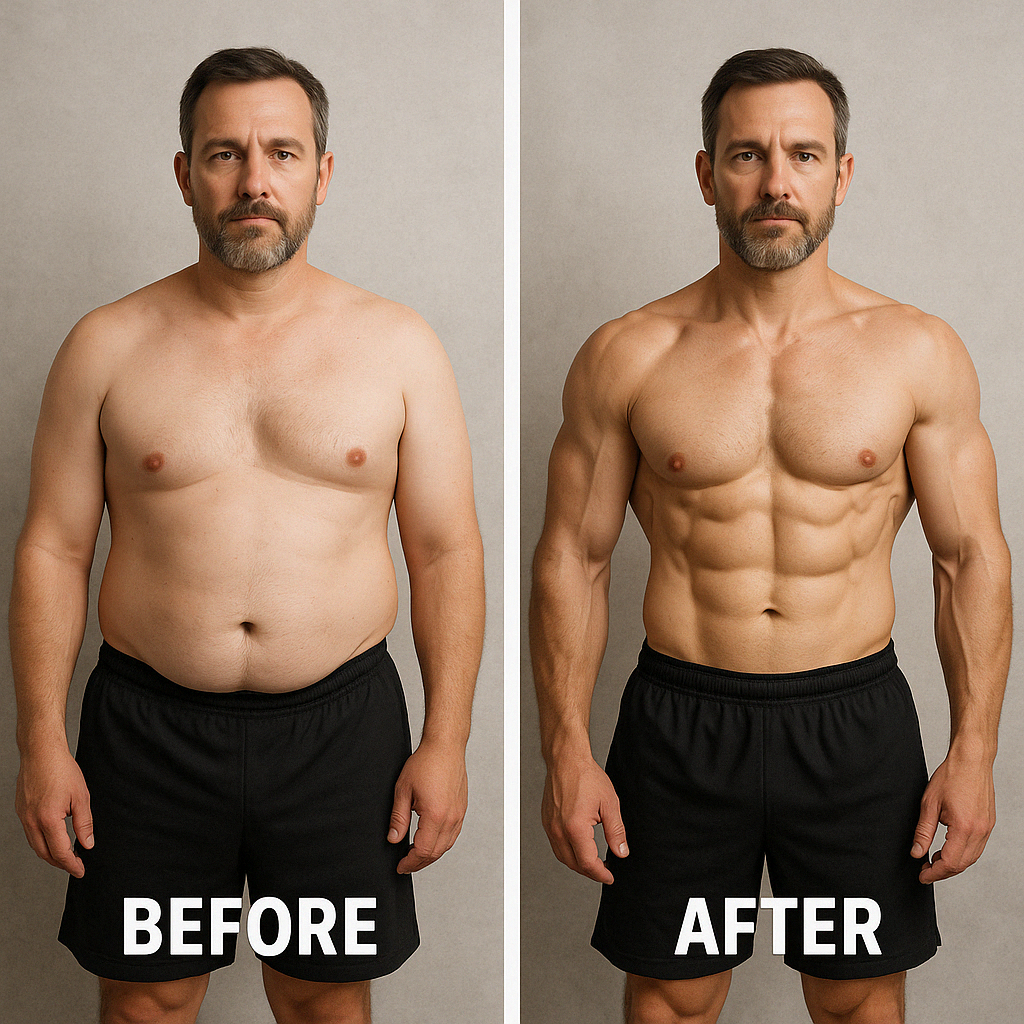
As you age, your body starts losing muscle mass, joint flexibility, and hormonal output. But here’s the good news: you can slow, or even reverse, those losses with the right resistance training.
Progressive overload is key to:
Preventing muscle loss (sarcopenia)
Improving testosterone levels
Boosting metabolism
Enhancing joint function
Keeping your body functional and capable
The catch? You can’t train like a reckless 20-year-old. You must be smarter, more deliberate, and laser-focused on recovery and form.
The Nautilus Machine Workout for Men Over 40: Rediscover Strength
How to Apply Progressive Overload Safely
Here’s how to harness progressive overload for long-term gains without breaking down:
Utilizing progressive overload for long-term gains will help you achieve your fitness goals efficiently.
1. Start Where You Are
Incorporate progressive overload for long-term gains into your routine for optimal results.
Begin with manageable weights and focus on mastering proper form. Don’t rush. A strong foundation is non-negotiable.
2. Track Every Workout
Tracking your progress with progressive overload for long-term gains is crucial for success.
Keep a log. Know how much weight you lifted, how many reps you completed, and how you felt. This turns your training into a system, not a guessing game.
3. Increase Gradually
Add 2.5 to 5 pounds per week to key lifts like bench press, squat, and deadlift, or add one more rep each session. These minor tweaks add up fast.
4. Use Variety
Remember that progressive overload for long-term gains requires patience and consistency.
Progressive overload doesn’t just mean going heavier. You can increase time under tension, reduce rest time, or improve your range of motion. Even better? Cycle your lifts every 4–6 weeks to avoid plateaus and overuse injuries.
5. Respect Recovery
Using progressive overload for long-term gains will ensure your efforts translate into real strength improvements.
Progress doesn’t happen in the gym, it happens after, during recovery. Prioritize sleep, hydration, protein intake, and active rest days. Overtraining is the enemy of long-term gains.
Common Mistakes to Avoid
Jumping in too fast and trying to compensate for lost time is a recipe for injury.
Neglecting rest. Your joints and nervous system need more time to recover in your 40s and 50s.
Ignoring pain. Soreness is normal. Sharp, persistent pain is not.
Getting stuck in routines. If your workout looks the same every week, you’re not progressing.
🔥 13 Complete Resources for Men Over 40 🔥
Lose fat, rebuild muscle, and reclaim your energy with the ultimate 16-week fitness and nutrition program designed specifically for men who refuse to slow down.
💪 Strength. ⚡ Energy. 🔥 Confidence.
All in one powerful blueprint. Click Here To Start Today!
Real Talk: Progressive Overload For Long-Term Gains Looks Different at 45 Than at 25
You might not recover like you used to, or lift as heavy as your younger self. That’s okay. The game now is longevity, not ego. You’re training for energy, strength, and vitality for the next 30 years.
By focusing on progressive overload for long-term gains, you can maintain your physical health as you age.
Incorporating progressive overload for long-term gains is key to maintaining your strength as you age.
With progressive overload, every set you do is a vote for your future health. Every workout is a deposit into your physical bank account.
Each workout contributes to your progressive overload for long-term gains, building a stronger foundation.
Final Thoughts: Consistency + Progression = Results
Effective training is rooted in the principles of progressive overload for long-term gains.
Progressive overload isn’t sexy. It’s not a gimmick or a shortcut. It’s discipline, consistency, and brilliant effort applied over time. But it works. Every. Single. Time.
So, don’t just go through the motions the next time you step into the gym. Push yourself, just a little more than last time. That’s how you win this game.
Embrace the concept of progressive overload for long-term gains and commit to your journey.