How Weightlifting Increases Muscle Growth
Weightlifting And Muscle Growth Go Hand In Hand
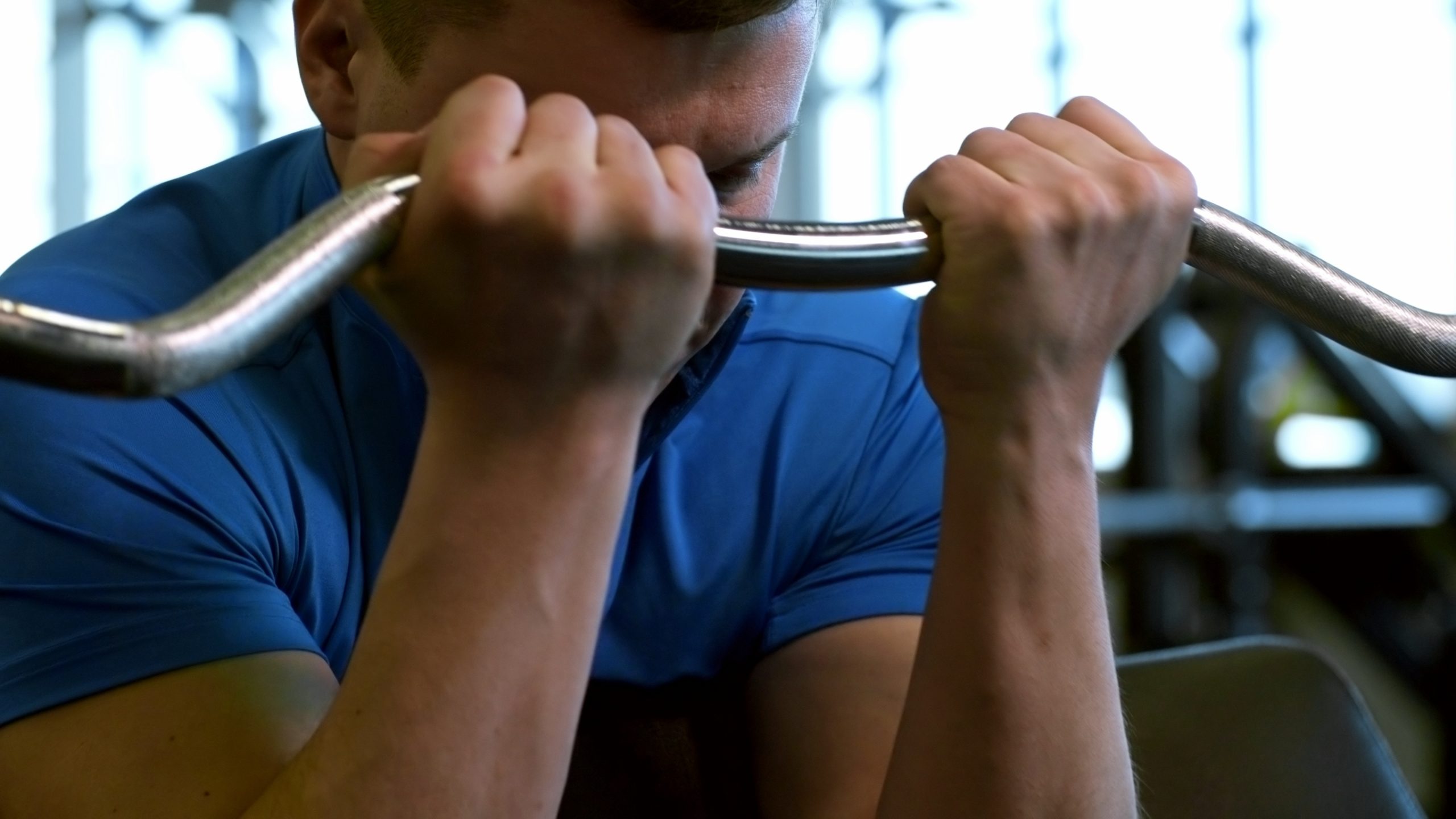
 If your goal is to build strength and change your body composition, understanding how muscle growth actually happens will help you train smarter and get better results. Muscle growth occurs when your body repairs the tiny tears in muscle fibers that happen during resistance training, ultimately making those muscles larger and stronger over time. Consistent weightlifting combined with proper recovery, nutrition, and progressive overload tells your body it needs more strength and size, which triggers adaptation. Training without purpose or variety produces minimal change, but a thoughtful approach that targets muscle growth with the right exercises, adequate protein, and rest will yield measurable progress you can see and feel. Knowing how muscle growth works empowers you to design workouts that challenge your body, support recovery, and get you closer to the physique and strength you want.
Weightlifting Has Benn Around Since The Days Of Ancient Greeks
Basically weight lifting is a method of strength training. Lifting weights uses the force of gravity to oppose muscle contraction. Overcoming that opposition increases strength and builds muscle. The concept was simply
and elegantly summed up by Hippocrates centuries ago – “That which is used develops, and that which is unused wastes away”. He was correct – and his contemporaries while not sure of the anatomical science behind it, also understood the basic weight lifting and strength training concept of progressive resistance. Its been said that ancient Greek wrestlers when training for the early Olympic Games carried a new born calf on their back everyday until it was grown. While that may not go over very well at your gym, the concept is sound. Weight lifting builds strength and muscle mass through progressive resistance. The reasons our muscles grow and become stronger when we workout with weights is due to the bodies response to injury. Muscle growth from weight lifting is basically a healing process. When we lift weights, we do (when done correctly) a small amount of microtrauma to our muscle tissue. The body’s response to the trauma is to rebuild the weakened or torn muscle fibers, and in doing so build them even bigger and stronger then they were prior to the microtrauma so as to prevent repeat of the injury. So that is how progressive resistance works in weight lifting and weight training. We add more weight do more reps, and teardown more muscle fiber – the body keeps responding by healing the muscle eventually pushing the muscle to its ultimate limit, which is genetically determined.
Professional power lifters, other athletes, and experienced weightlifters will use this concept when training or working with weights by adding weight to the point they cannot lift – and then backing off just a bit and then push the maximum weight possible. This is called progressive overload and it forces the muscles to grow stronger and larger to lift the heavier weight. However working out by lifting weights at the ultimate limit of your strength is not recommended for novice weight lifters. Professionals say beginners can achieve the same results a lot safer, by progressively adding repetitions to the workout, and not lifting heavier weights. This will still fatigue muscles, wear down fibers, and result in the progressive microtrauma required to build muscle, strength and stamina.
Putting It All Together
So what does all this mean? In order for weight lifting to result in building muscle and increasing strength, you must allow the body some down time to “heal”. Because it is this “healing” that is really the process of building renewed and strengthened muscle tissue. What that means is that you should not lift everyday – especially in the beginning of your weight lifting regimen. Muscle growth can take anywhere from 2 to 4 days. So beginners generally will workout out every other day. The more experienced you are the longer the recovery period actually can be. Professional or very experienced weight lifters require more strength to push the limit, and cause more damage when they do, and therefore require longer time to build and repair muscles to greater strength. The pros will use a weight lifting routine that works any given specific muscle group only every 4 days.
Your Time Is Now!
Intimidated about joining a gym? Not sure how to use equipment or make smart gym moves?
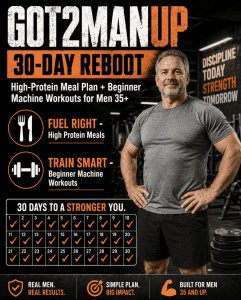
I built the Got2ManUp Fitness Blueprint Bundle specifically for men who want structure, confidence, and real results without bouncing from program to program. This is not a one-month workout you outgrow. Everything you need is inside to guide you from your first day in the gym all the way to advanced workouts.
You get three full months of workouts, over 100 exercises, and clear guidance so you never feel lost or bored. Every workout, strategy, and principle in this program is based on what I have personally used and refined over 30+ years of training.
The workouts alone are worth hundreds of dollars, but the bundle goes further with nutrition guidance, mindset training, and simple recipes to support real lifestyle change. I am confident it works, which is why it is backed by a money-back guarantee.
No more guessing. No more excuses. Click the image above and start training with confidence.
Sources
-
Mayo Clinic. Strength training benefits for muscle building and overall health.
https://www.mayoclinic.org/healthy-lifestyle/fitness/in-depth/strength-training/art-20046031 -
American College of Sports Medicine. Resistance training for muscle strength and hypertrophy.
https://acsm.org/docs/default-source/files-for-resource-library/resistance-training-for-health-and-fitness.pdf -
National Center for Biotechnology Information. Regulation of muscle growth and hypertrophy.
https://www.ncbi.nlm.nih.gov/pmc/articles/PMC5852754/ -
Harvard Health Publishing. Lifting weights for muscle and bone health.
https://www.health.harvard.edu/staying-healthy/lifting-weights-for-muscle-and-bone-health -
Centers for Disease Control and Prevention. How much physical activity do adults need.
https://www.cdc.gov/physical-activity/basics/adults/index.htm
FAQs
Q1 What is muscle growth?
Muscle growth is the process where muscle fibers increase in size through adaptation to resistance training. When you lift weights, small tears form in the muscle, and during recovery the body repairs and strengthens those fibers, increasing muscle size.
Q2 How long does it take to see muscle growth?
Visible muscle growth varies by individual but most people can see initial results within a few weeks if they train consistently with progressive resistance and follow proper nutrition and recovery.
Q3 What factors help muscle growth?
Consistency in resistance training, adequate protein intake, good sleep, calorie balance, and progressive overload are key factors that support muscle growth.
Q4 Can muscle growth occur without lifting weights?
Yes but to a lesser degree. Bodyweight exercises and high intensity training can stimulate muscle growth, but progressive resistance such as weightlifting is generally more effective for significant increases in muscle size.