Setting Realistic Weightlifting Goals
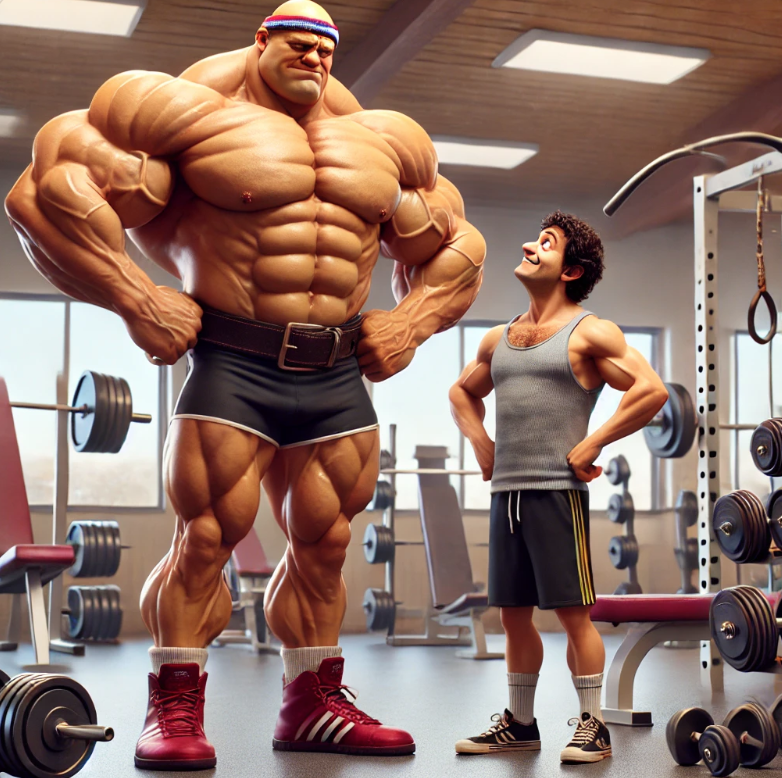
Why You Should Stop Comparing Yourself to Influencers
This article is about setting realistic weightlifting goals for my reader, not a hit piece on internet weightlifting influencers. I believe in capitalism and am happy to see anyone making a living doing something they are passionate about. I write this strictly so my readers stick with realistic goals of becoming their best, not someone else’s. With that said, I’m sure you’ve spent time on YouTube, Instagram, or TikTok looking for fitness advice. In that case, you’ve probably seen those guys jacked to the gills, flexing under perfect lighting, doing exercises that look like something out of an action movie. They claim to have the perfect routine, the best diet, or the ultimate shortcut to getting shredded in just a few weeks.
And sure, it’s easy to be inspired by them. Who wouldn’t want a six-pack year-round, 20-inch biceps, and the strength to deadlift a small car? But here’s the reality: most of you see online as a fantasy.
Many of these fitness influencers are genetic anomalies, chemically enhanced, or simply dedicating their entire existence to looking a certain way, and that’s fine for them. But for normal people with jobs, families, and many other responsibilities, chasing that kind of physique is unrealistic and can harm your ideal setting of realistic weightlifting goals, which in turn hurts long-term fitness goals.
Setting realistic weightlifting goals for yourself is part of your training journey. How much muscle can you build? Can you build muscle and lose weight at the same time? What does the science say? And how do you avoid falling into the comparison trap that makes so many lifters quit before they ever reach their potential?
Let’s dive in and see how you can make smart gym moves to reach your weightlifting goals.
Why Comparing Yourself to Influencers is a Mistake
1. Influencers Are in the Business of Selling You a Dream
Most influencers don’t just post about fitness for fun, it’s their job. Their physique isn’t just a reflection of their training; it’s their brand. Whether they’re selling supplements, coaching programs, or their line of gym wear, their income counts on how impressive they look.
Because of this, many of them exaggerate results, manipulate lighting, or flat-out lie about how they achieved their look. They’ll tell you that you can build 20 pounds of muscle in six months, get shredded in 30 days, or that their special supplement is the secret to their gains.
The reality? They’re selling you an illusion.
- Many are not natural. When weightlifting influencers appear to have toned bodies year-round, gaining absurd amounts of muscle, and constantly looking perfect, there’s a good chance they’re on PEDs (Performance-enhancing Drugs), even if they claim to be “natural.”
- Most don’t look like that year-round. Influencers take photos when they’re in peak condition and use them for months, even years.
- Most have elite genetics. Some guys naturally can build muscle faster and stay leaner than average. Comparing yourself to them is like comparing yourself to an NBA player, it’s just not realistic.
2. Social Media Creates a False Sense of Reality
Have you ever noticed that fitness influencers only post their best lifts? You never see them talking about setting realistic weightlifting goals. You’ll see them bench pressing 315 for reps, squatting 500 pounds, or doing 50 pull-ups like it’s nothing. But you never see their bad days, the days when they feel weak, the days when they struggle, or the common weightlifting injuries they sustain from pushing too hard.
Remember, social media is a highlight reel. It’s a carefully curated collection of their best moments, not a reflection of their everyday reality. If you compare your journey to their filtered and edited best, you’re setting yourself up for frustration and disappointment.
3. Body Composition And Genetics Play A Significant Role
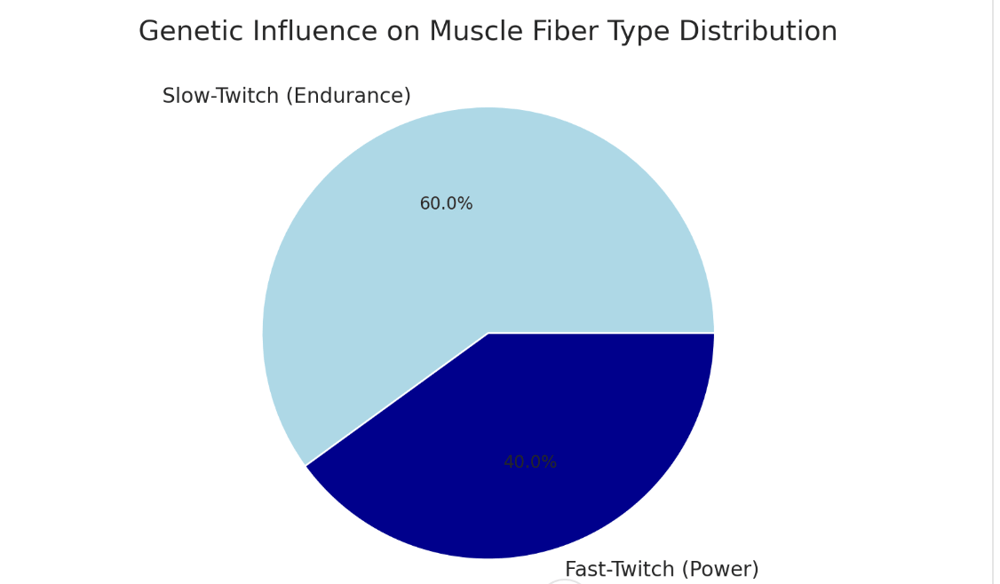
Studies suggest that genetics can influence up to 80% of your body shape and potential for muscle growth, meaning your genetic makeup can significantly impact how easily you build muscle and strength when weight training. Consistent exercise and diet can still lead to noticeable improvements regardless of your genetic predisposition.
The Science of Realistic Muscle Growth
How Fast Can You Naturally Build Muscle By Setting Realistic Weightlifting Goals?
If you’re starting, setting realistic weightlifting goals lead to good expectations about muscle growth is essential. Research has shown that natural lifters (people who don’t use steroids) build muscle at a predictable rate:
The Alan Aragon Model for Muscle Growth:
- Year 1: 15–25 pounds of muscle (about 1–1.5 pounds per month)
- Year 2: 8–12 pounds of muscle (about 0.5–1 pound per month)
- Year 3: 3–5 pounds of muscle (0.25–0.5 pounds per month)
- Beyond Year 3: Gains slow down to 1–3 pounds per year

If you’ve been lifting for three years and expect to put on 20 pounds of muscle in a year, you’re setting yourself up for disappointment. The further along you are, the harder it is to gain muscle naturally.
How Lean Can You Stay While Building Muscle?
Depending on where you are starting your journey – obese or slightly overweight – your muscle building and weight loss will vary. If you are severely overweight, the chances are good once you start lifting weights and doing some cardio, even if it’s just walking daily for 20 minutes and watching what you eat, you will see considerable results in the first 30 days. 60 days? If you use the Got2ManUp Fitness Blueprint, you won’t even recognize that handsome fella standing in front of the mirror. Someone who needs to drop 100 pounds or more will lose 30 pounds much quicker than someone looking to lose 40 pounds.
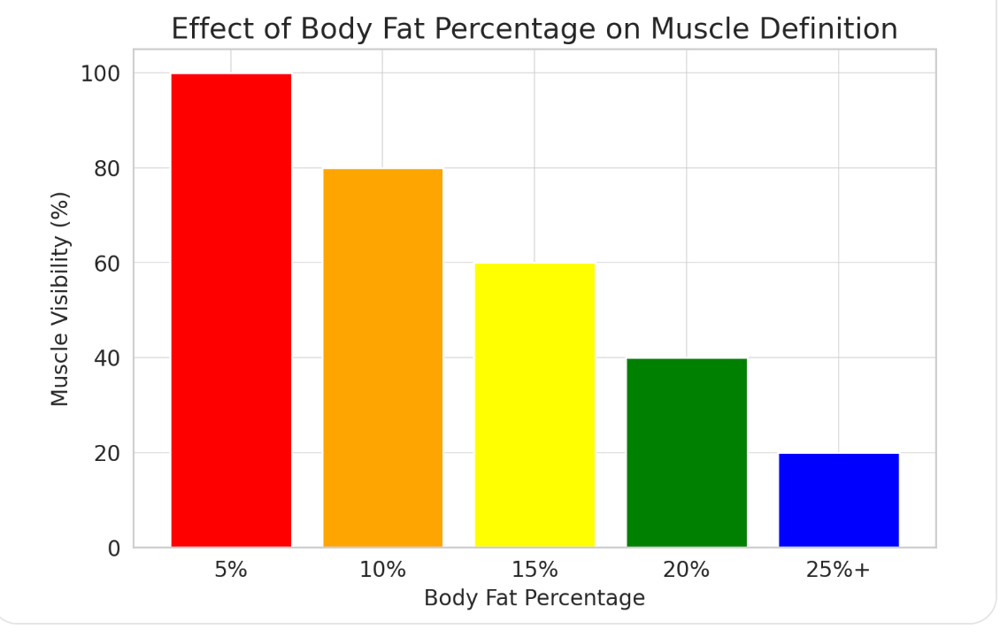
One of the biggest mistakes people make is trying to stay shredded while building muscle. Building muscle requires a calorie surplus, meaning you’ll likely gain some fat along the way.
Healthy Body Fat Percentages for Men:
- 10–20% = Athletic and healthy
- 6–9% = Very lean, difficult to maintain
- Under 5% = Bodybuilding competition level (not sustainable)
If you try to stay under 10% body fat year-round, you’re probably limiting your muscle growth and killing your energy levels. Studies suggest natural lifters should aim for 12–18% body fat to make real gains. I think 15-20% is a much more realistic goal for the average man.
How to Set Realistic Weightlifting Goals
1. Define Your Personal Fitness Goals
Instead of looking like someone else, focus on what you want. Ask yourself:
- Do I want to get stronger?
- Do I want to improve my aesthetics (looking good)?
- Do I want better overall health?
Once you know your goal, you can create a planthat makes sense for your life.
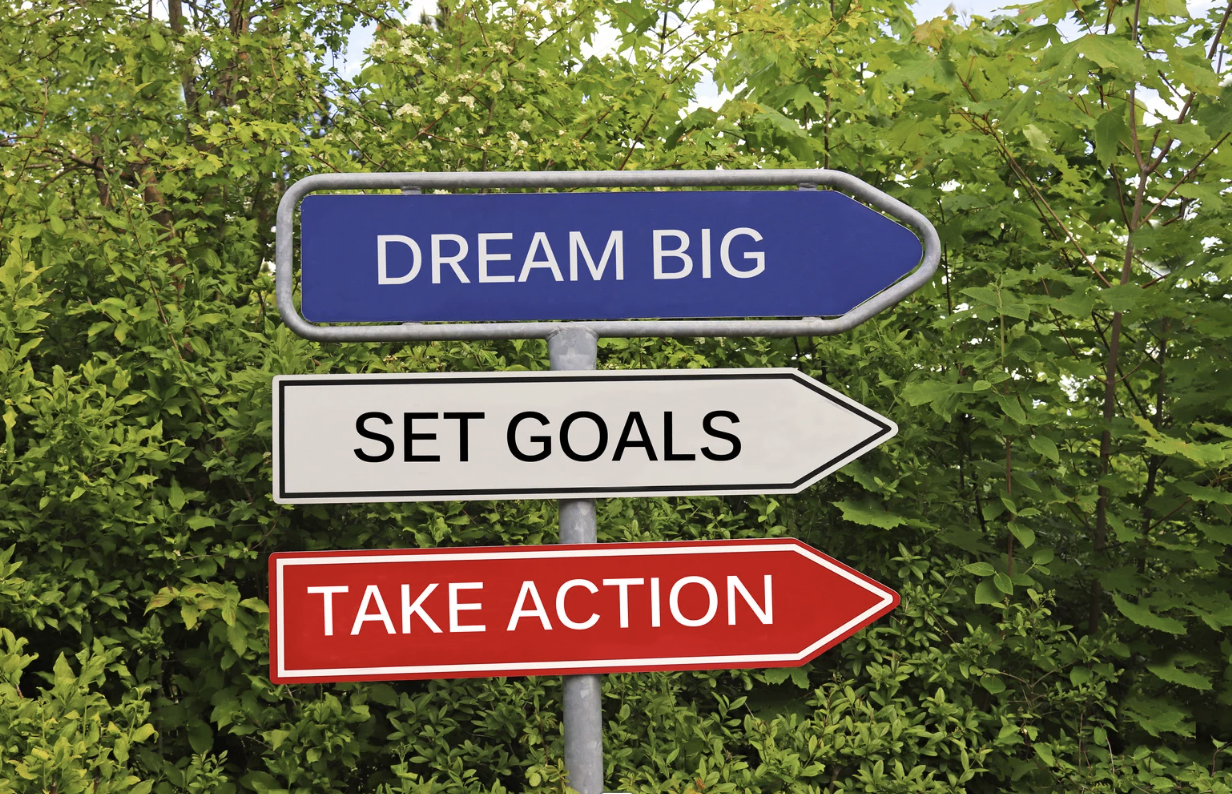
2. Set SMART Goals
A great way to make your goals realistic is to use the SMART method:
- Specific: Instead of saying, “I want to get jacked,” say, “I want to add 20 lbs to my bench press.”
- Measurable: Track your progress, use a logbook, take photos, and measure body composition.
- Achievable: If you’ve only been lifting for six months, you won’t expect to squat 500 lbs by next year.
- Relevant: Your goals should fit your lifestyle, don’t train like a pro bodybuilder if you have a full-time job and a family.
- Time-bound: Settting realistic weightlifting goals assists in time framing, such as “I want to deadlift 150 lbs within six months.”
Instead of chasing an ideal aesthetic, focus on performance-based goals. These could be hitting a new deadlift PR, improving your bench press, or running a faster mile while maintaining muscle. Remember, aesthetics will naturally follow as you get stronger. Chasing aesthetic perfection frustrates people, causing them to give up on training. Instead, focus on performance-based goals like:
- Hitting a deadlift PR
- Improving your bench press
- Performing 10+ pull-ups
- Running a faster mile while maintaining muscle
Aesthetics will follow naturally as you get stronger.
4. Be Consistent, Not Perfect When Setting Realistic Weightlifting Goals
One of the biggest reasons people fail in weightlifting islack of consistency. You don’t need the perfect program, diet, or supplements, you must show up. (Got2ManUp)
A good workout plan followed consistently for years beats a perfect plan that you quit after a few months.
5. Track Progress and Celebrate Small Wins
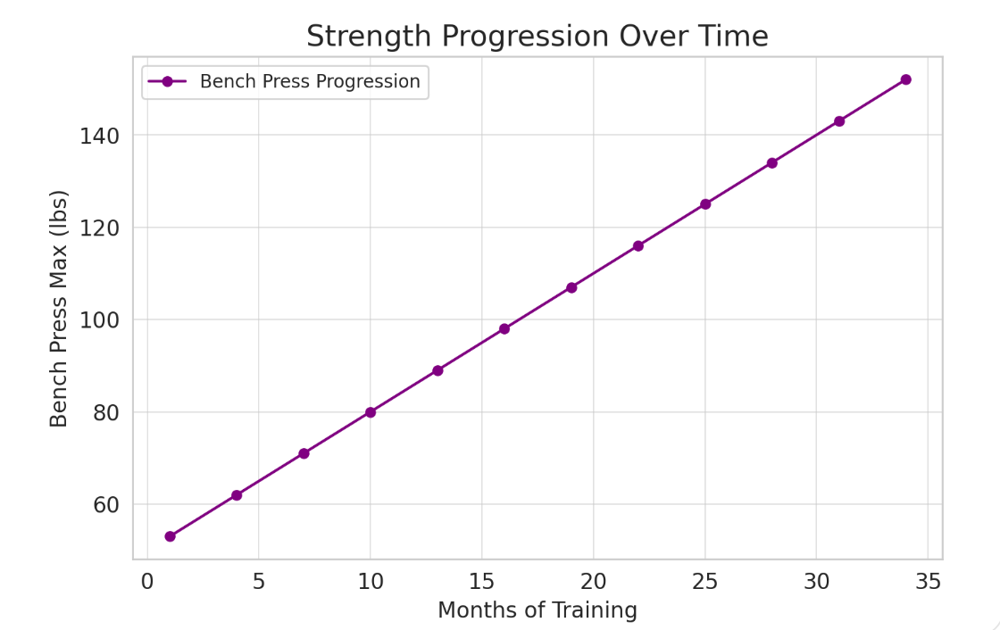
Every time you lift 5 lbs more than last time, that’s a win. Every time you do one more rep than before, that’s a win. Don’t overlook small victories, they add up.
Final Thoughts On Setting Realistic Weightlifting Goals: Train for YOU, Not for Social Media
The fitness industry is full of people selling unrealistic expectations, don’t fall for it. You don’t need to look like an influencer to be strong, healthy, and confident.
Focus on setting realistic weightlifting goals will help with watching your progress, enjoy the process, and stop comparing yourself to people living in a completely different reality. Setting realistic weightlifting goals will set you u for a life time of success and fantastic health.
Lift, eat, rest, repeat, and let your results come naturally. That’s called “winning”.

Sources
-
American College of Sports Medicine (ACSM) – review summarizing training recommendations for hypertrophy (sets, reps, load) and strength.
-
“How Much Muscle Mass Can You Gain?” – data showing realistic monthly muscle‑gain expectations: ~0.5–2 lb per month for most lifters under optimal conditions
-
Review on hypertrophy across whole‑body resistance training programs shows magnitude of muscle growth in humans.
-
On healthy body‑fat percentage ranges: typical ranges for men (essential fat, athletes, fitness, acceptable, obesity).
-
Clinical discussion on obesity thresholds using body‑fat percentage rather than BMI: risk associated with male >25% body fat
-
Importance of training volume, consistency, and proper nutrition (energy surplus + protein, recovery) to maximize hypertrophy – growth depends on more than just lifting.
FAQs
What does setting realistic weightlifting goals mean for men over 40?
Setting realistic weightlifting goals means creating strength and fitness targets that match your age, recovery ability, training history, and lifestyle. For men over 40, setting realistic weightlifting goals helps reduce injury risk and improves long term consistency and progress.
Why is setting realistic weightlifting goals important for staying consistent?
Setting realistic weightlifting goals prevents frustration and burnout caused by comparing yourself to younger lifters or unrealistic social media standards. When your goals are achievable, you are more likely to stay motivated and committed to training over time.
How can setting realistic weightlifting goals improve strength gains?
Setting realistic weightlifting goals allows you to focus on steady progression, proper form, and recovery instead of chasing numbers too fast. This leads to better strength gains, fewer setbacks, and more confidence in the gym.
How often should weightlifting goals be adjusted?
Weightlifting goals should be reviewed every 8 to 12 weeks based on progress, recovery, and lifestyle changes. Adjusting goals regularly helps keep training productive without adding unnecessary pressure.