Why Lift Weights? Give Strength a Place Beside Cardio
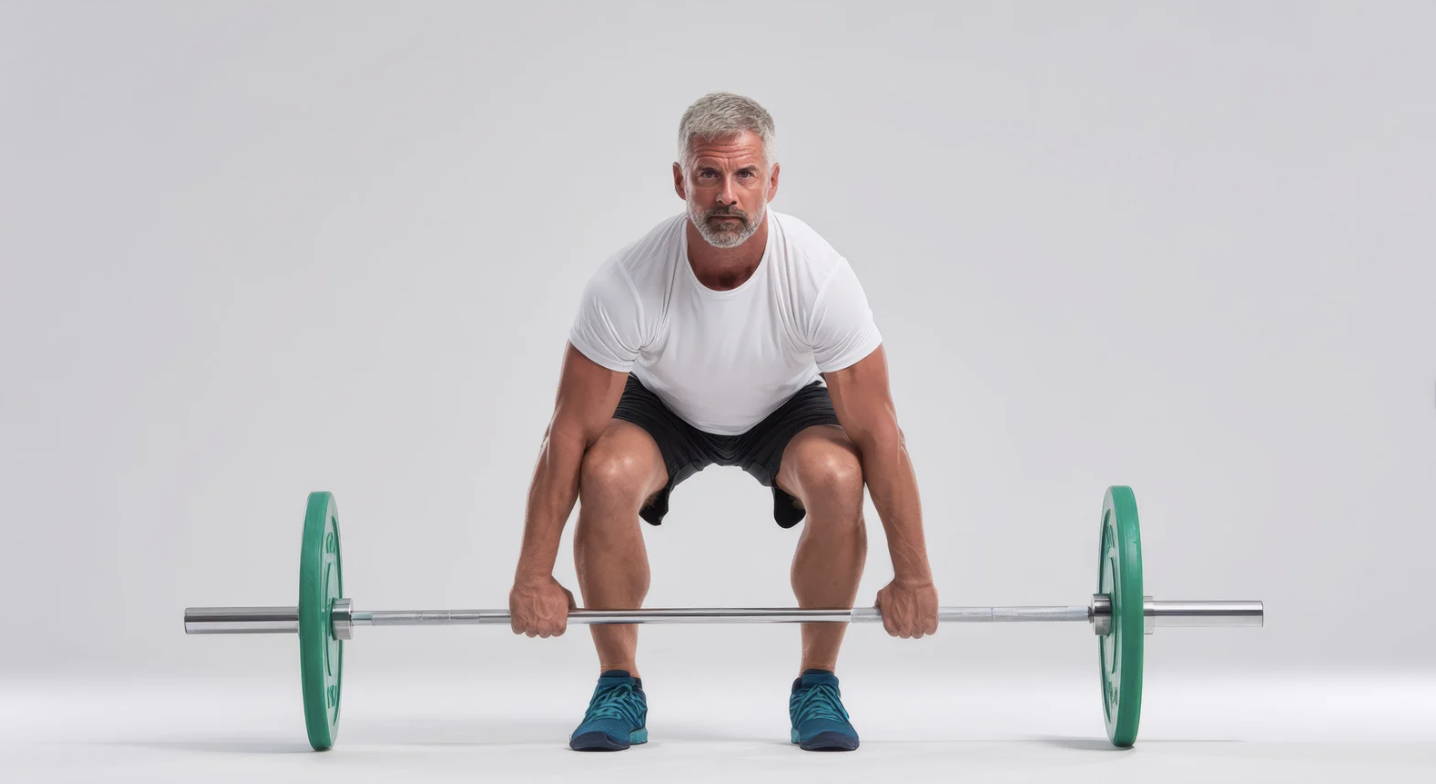
Walking, cycling and other aerobic activities can be valuable parts of a routine. So why lift weights as well? Strength training gives you a specific way to practice producing force against resistance. It belongs in the plan for its own purpose, not because cardio is a waste of time.

Strength and aerobic activity have different jobs
The CDC adult activity overview recommends both aerobic activity and at least two days of muscle-strengthening activity each week. The general aerobic target is 150 minutes of moderate activity, 75 minutes of vigorous activity or an equivalent combination.
Those are public-health targets, not a demand that someone starting from inactivity do everything immediately. Choose a manageable starting point and build appropriately. Health conditions, symptoms and prescribed restrictions may require individual advice.
Choose a reason you can recognize
Your reason might be becoming stronger at a suitable exercise, handling everyday tasks more comfortably or learning a lifting routine. Write it down. That gives you a clearer purpose than an instruction to “get pumping” and hope every aspect of health improves.
For more context on daily function, read the benefits of lifting after 40. Exercise does not guarantee that you will avoid injuries, lose weight or prevent a medical condition.
Equipment should fit the task and the person
Machines and free weights are options. A machine may make some setup choices simpler, but it does not guarantee the correct seat position, range of motion or load. Free weights are not automatically the better workout because they require balance.
Before buying equipment, check the space, cost and whether you know how to use it. At a gym, ask for an orientation. Start with the equipment you can use appropriately and consistently rather than a claim that one tool is always superior.
Give both types of activity room in the week
| Planning decision | What to write down |
|---|---|
| Strength sessions | The days and a suitable program covering the major muscle groups. |
| Aerobic activity | The type and manageable time available. |
| Preparation | Equipment setup and a gradual, relevant warm-up. |
| Recovery | How the sessions fit your sleep, symptoms and other demands. |
This is a planning checklist, not a complete exercise prescription. A five-minute warm-up may be useful for some sessions, but no single duration guarantees readiness for every lift. Practice the movement and adjust to the task.
Get a clear starting routine
Load and repetitions both matter; simply doing more repetitions is not always the answer. My beginner strength guide can help you organize the first steps.
The 31-Day Reboot includes beginner machine workouts, meal plans and grocery lists. Use it as a framework that fits alongside suitable aerobic activity, with adjustments for your circumstances.