
Is Gluten Really Bad For You?
Is Gluten Really Bad for You? Separating Facts From Fear

There is a lot of talk about gluten these days. Some people say it is good for you, while others insist it is harmful and should be avoided at all costs. With so much conflicting information online, it is no surprise that many people are left wondering, is gluten really bad for your health? The truth is more nuanced than diet trends and headlines suggest. Understanding what gluten is, how the body reacts to it, and who truly needs to avoid it can help you make an informed decision instead of following fear-based advice.
What Gluten Is and Why It Exists
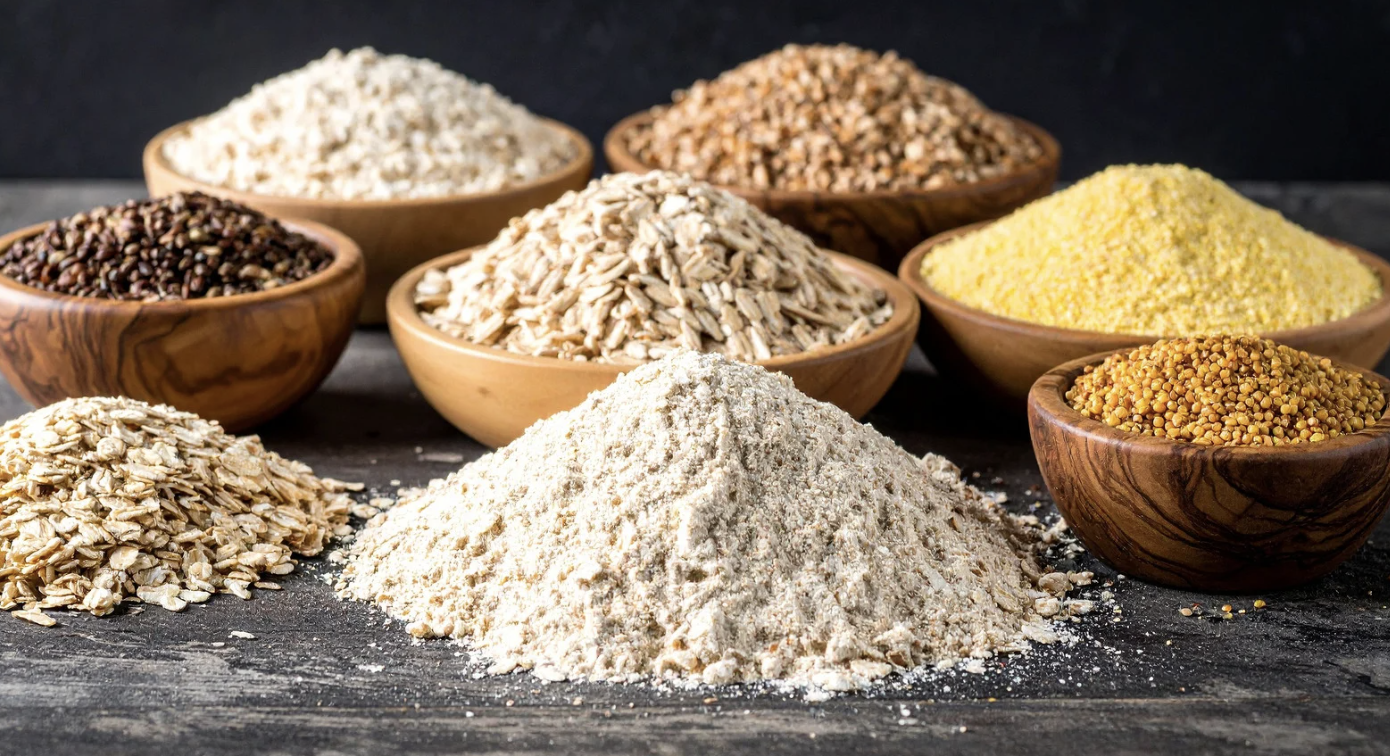
Gluten is a type of protein found in wheat, rye, and barley. It plays a key role in giving dough its elasticity and structure, which is why bread is chewy and baked goods hold their shape. Over time, gluten has also been added to many processed foods as a stabilizer or thickening agent. You can find it in items like sauces, soups, ice cream, and even ketchup. Because gluten appears in so many foods, the question is gluten really bad for your heath has become increasingly common.
Our digestive system is designed to break down food through a complex process that allows nutrients to be absorbed efficiently. When this process is disrupted, it can lead to deficiencies, inflammation, and discomfort. For some individuals, gluten plays a role in that disruption, which fuels ongoing debate about is gluten really bad for everyone.
Why Gluten Became So Controversial
Gluten gained a negative reputation as digestive complaints, autoimmune conditions, and processed food consumption increased. Many people removed gluten from their diet and felt better, but often this improvement came from reducing refined foods rather than gluten itself. This has caused confusion and led many to assume is gluten really bad without looking at the full picture.
When Gluten Truly Is a Problem
For people with celiac disease, the answer to is gluten really bad is clear. Gluten triggers an immune response that damages the lining of the small intestine. This damage interferes with nutrient absorption and can lead to fatigue, anemia, bone loss, digestive pain, and long-term health issues. Even trace amounts of gluten can cause harm for someone with celiac disease.
Celiac disease is more common in North America and Europe and has a genetic component. Environmental factors such as modern food processing and long-term consumption of highly processed foods may also contribute to rising diagnoses. These realities reinforce why is gluten really bad is a serious question for some people.
Gluten Sensitivity vs Real Disease
Not everyone who feels discomfort after eating gluten has celiac disease. Some experience non-celiac gluten sensitivity, which may cause bloating, headaches, fatigue, or digestive discomfort without intestinal damage. Others simply feel better when they reduce refined carbohydrates. This is where the question is gluten really bad becomes oversimplified and misunderstood.
Grains themselves are not inherently unhealthy. Wheat, rye, and barley have been consumed for thousands of years and provide fiber, B vitamins, iron, and magnesium. For people without a diagnosed condition, removing gluten may also remove beneficial nutrients.
Self-diagnosing and adopting a gluten-free diet can backfire. Many gluten-free products are highly processed and low in nutrients. This can lead to blood sugar swings and deficiencies, making the belief is gluten really bad potentially harmful when misunderstood.
If you suspect a gluten issue, testing through a healthcare provider should come first. Once you have clarity, you can make choices based on your body rather than fear. So, is gluten really bad? For people with celiac disease, yes. For others, moderation, food quality, and balance matter far more than eliminating one protein.
Don’t miss out on this massive deal! Click here to unlock the complete GOT2MANUP Fitness Blueprint with 13 must-have resources before this limited-time bundle disappears